Top 10 Vegetables to Grow at Home for Maximum Nutrition
Growing up, I watched my mother tend a backyard garden — methi one season, tomatoes the next, sometimes both at once. Some crops came up beautifully. Others simply didn’t, without much warning or obvious reason. That patchwork of success and failure stuck with me. Years later, studying agriculture formally, I started understanding the why behind each outcome.
That combination — ground-level observation and the science behind it — is what this list is built on. Not just facts pulled from a nutrition table, but a honest look at what actually works when you grow vegetables at home.
And here’s a fact worth starting with: that bag of spinach sitting in your fridge for a week has already lost over half its folate. A Penn State study found refrigerated spinach loses 53% of its folate within eight days — and vitamin C drops even faster. Home-grown vegetables, harvested fresh and eaten the same day, skip that loss entirely.
There’s also zero pesticide residue anxiety, no wax coating, and no cold-chain damage. For nutritional value, freshness always wins.
Affiliate Disclosure: This article contains a few affiliate links (marked by product recommendations). If you purchase through these links, Vitaroxi may earn a small commission — at no extra cost to you. This does not influence which vegetables or products are recommended; all selections are based on nutrition value and practical growing experience.
Why Home-Grown Vegetables Are More Nutritious
Before the list, a quick science note. Vitamin C, folate, and several B vitamins start degrading the moment a vegetable is harvested. Research shows leafy greens can lose 15–35% of their vitamin C within the first 2–3 days of cold storage — with losses continuing steadily from there. Home-grown vegetables, harvested fresh and eaten the same day, skip that loss entirely.
1. Spinach — The Iron and Folate Powerhouse
Hindi: Palak · Tamil: Pasalai keerai · Telugu: Palakura · Kannada: Basale soppu · Bengali: Palong shaak · Odia: Palanga shaaga · Kosali/Sambalpuri: Palanga sag
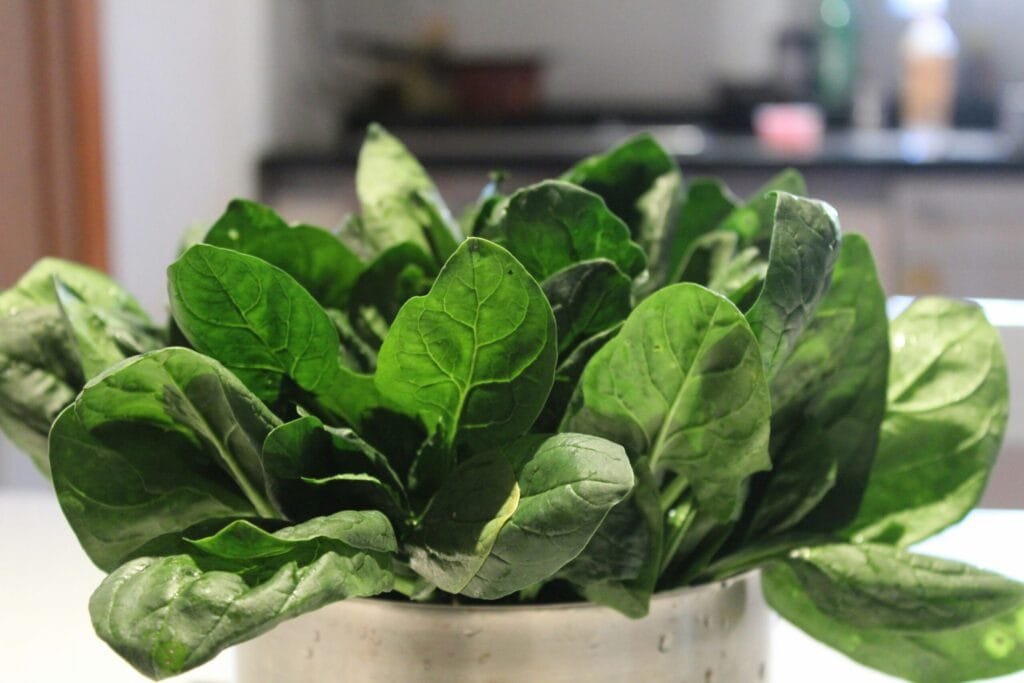
Nutrition highlights: 2.7 mg iron, 194 mcg folate, 28 mg vitamin C per 100 g (raw). It’s also a solid source of vitamin K, magnesium, and lutein.
Spinach is arguably the best nutritional return-on-investment for a home garden. At around 194 mcg folate per 100 g, a regular serving covers close to half your daily adult requirement — and in a naturally occurring form alongside other food compounds.
How to grow it: Spinach thrives in partial shade, which actually makes it ideal for north-facing balconies. Sow seeds directly into any container at least 15 cm deep. Water regularly, don’t let the soil dry out completely, and harvest outer leaves first.
Best season (India): October to February for plains; March to June for hills.
Reality Check: Spinach bolts (flowers prematurely) the moment temperatures cross 30°C. In Raipur and most Indian plains cities, your spinach window is strictly winter — October to January is your real productive period. By February the heat is already creeping in. Don’t expect year-round production — plan for 2–3 batches and harvest aggressively while the season lasts.
2. Fenugreek Leaves — India's Fastest Nutritious Crop
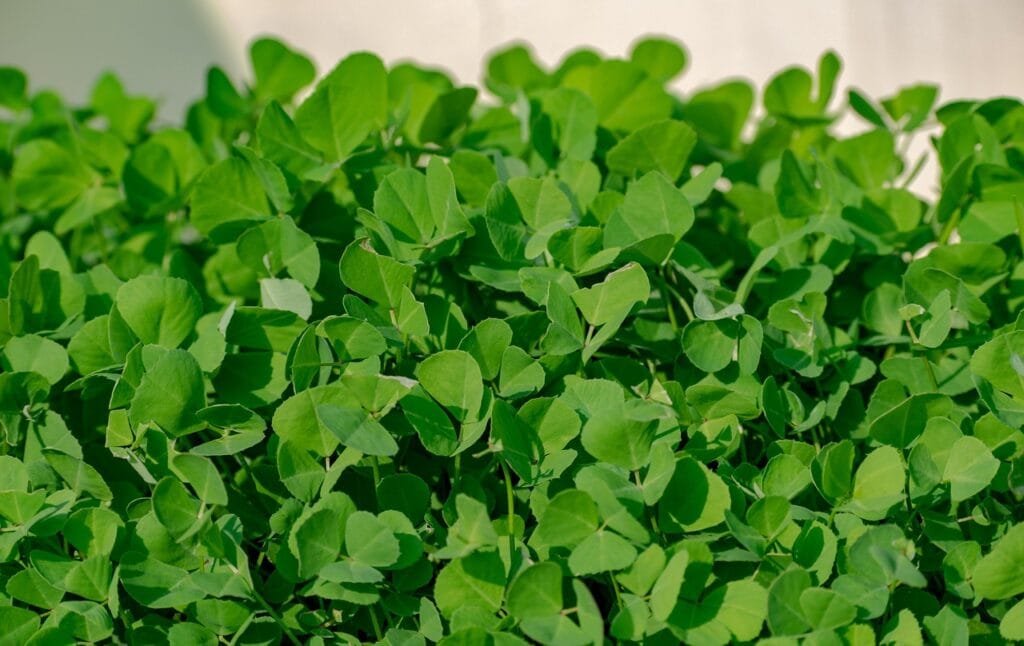
Hindi: Methi · Tamil: Vendhaya keerai · Telugu: Menthi kura · Kannada: Menthya soppu · Bengali: Methi shaak
Nutrition highlights: 395 mg calcium, 31 mg iron (dried leaves), high fiber, and a decent amount of vitamin A. Fresh fenugreek leaves are rich in choline and folate.
This is the single easiest vegetable to grow at home in India. Sow fenugreek seeds (the same ones in your kitchen spice box), water twice a day, and you’re harvesting in 2–3 weeks. No setup, no fuss.
Fenugreek is underrated nutritionally. Beyond the well-known blood sugar benefits, it’s one of the richer plant sources of iron and calcium, particularly important in vegetarian diets. If you’re tracking your daily fiber intake, fresh fenugreek leaves are a useful addition to hit your goals.
How to grow it: Spread seeds densely in a shallow tray or pot. Thin soil layer, moderate watering. Harvest when 10–12 cm tall by cutting, not uprooting — the plant regrows once or twice.
Best season (India): October to March.
Reality Check: Fenugreek turns bitter quickly if you let it grow too long before harvesting. The temptation is to wait — more growth feels like more yield. But harvest young at 10–15 days for milder, usable flavour. Waiting until 20–25 cm doesn’t give you more nutrition; it gives you bitterness. Also, it does not regrow as vigorously after the second cut — plan for fresh batches rather than one eternal plant.
3. Tomatoes — Lycopene You Can't Get From A Supermarket
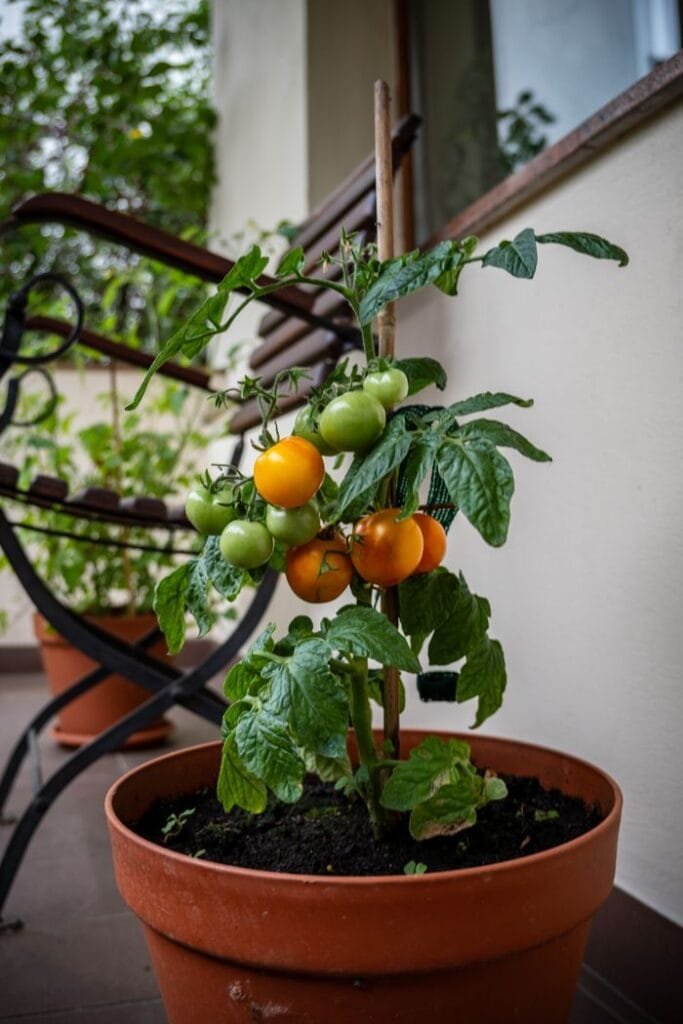
Nutrition highlights: Rich in lycopene (especially when cooked), vitamin C, potassium, and vitamin K. Ripe home-grown tomatoes have measurably higher lycopene than supermarket varieties picked unripe.
Home-grown tomatoes simply taste better — and the nutrition data supports why. Vine-ripened tomatoes accumulate significantly more lycopene and vitamin C than those harvested early for transport. Research links lycopene to cardiovascular health and prostate health, and it’s among the better-studied dietary antioxidants for both.
How to grow it: Tomatoes need at least 6 hours of direct sunlight. Use a large grow bag or container (20-litre or bigger) with good drainage, a simple bamboo stake for support, and monthly fertilising. Cherry tomato varieties work especially well in containers.
Best season (India): Sow October–November for a winter-spring harvest. Can be grown year-round in cooler climates.
Reality Check: Tomatoes are moderately demanding — but here’s something most beginners don’t realise: they suffer more from overcare than neglect. Too much water causes fruit to split. Too much fertiliser pushes all energy into leaves with little fruit. Irregular watering causes blossom end rot. The pattern I’ve seen repeatedly — plant it, stake it, water consistently, then step back. Cherry tomato varieties are far more forgiving and produce prolifically even in pots. Start there before attempting larger varieties.
4. Coriander — Vitamin K in Every Pinch
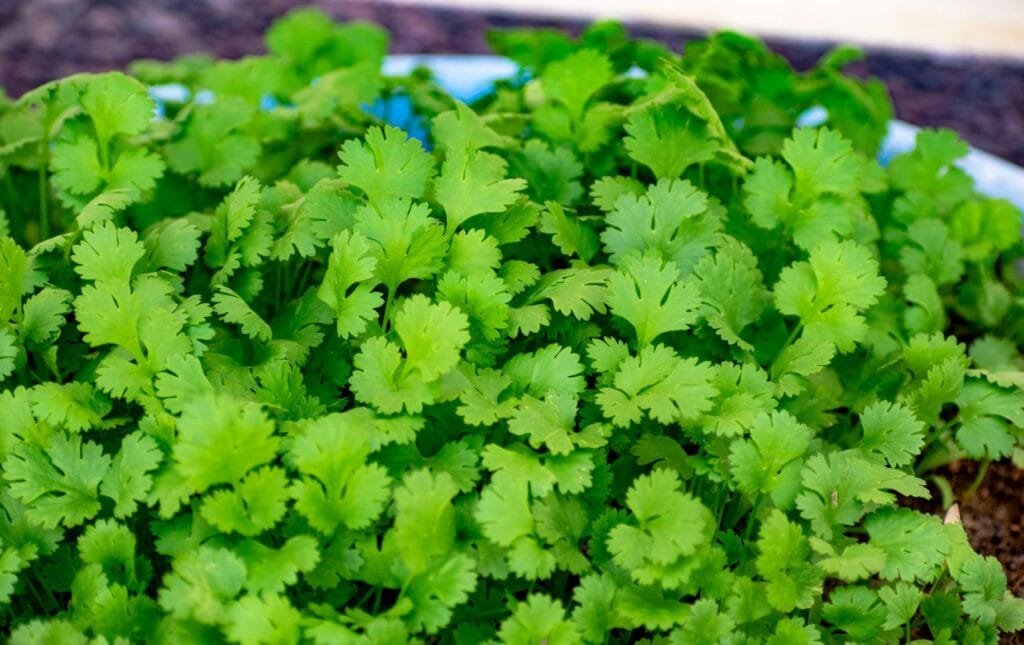
Hindi: Dhaniya · Tamil: Kothamalli · Telugu: Kothimeera · Kannada: Kottambari soppu · Bengali: Dhone pata
Nutrition highlights: 310 mcg vitamin K per 100 g — one of the highest plant sources. Also provides vitamin A, vitamin C, and small amounts of iron and calcium.
Every Indian kitchen uses coriander daily as a garnish. Growing your own means you have fresh leaves on demand, no wilted supermarket bunches, and a meaningful dose of vitamin K in every sprinkled-on dal, raita or curry.
How to grow it: Crush dried coriander seeds lightly (to split them), then sow directly. Medium sunlight, light watering. Grows quickly and can be harvested continuously. Ideal for a kitchen windowsill pot.
Best season (India): October to March for plains. Can be grown year-round in hills.
Reality Check: Coriander bolts in heat even faster than spinach. In summer, it shoots to seed within a week. It’s a cool-weather crop. The good news: the seeds it produces are the coriander seeds you cook with — completely edible and useful.
5. Curry Leaves — The Perennial Nutrition Shrub
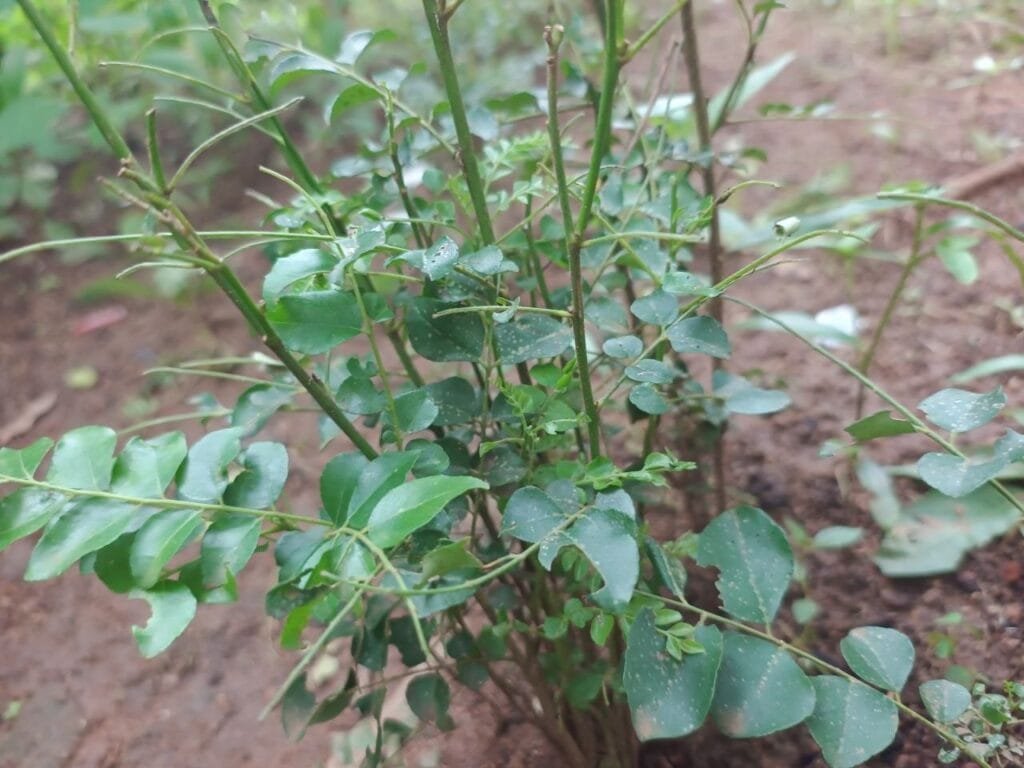
Hindi: Kadi patta · Tamil: Karuvepilai · Telugu: Karivepaku · Kannada: Karibevu · Bengali: Barsunga pata
Nutrition highlights: High in calcium, iron, and vitamins A, B2, and C. Contains alkaloids with antioxidant and anti-inflammatory properties. Notably one of the few plants with meaningful amounts of carbazole alkaloids.
Unlike every other plant on this list, curry leaves give you nutrition for years from a single plant. Once established, a curry leaf plant in a pot or garden needs almost no attention and rewards you daily.
How to grow it: Buy a small plant from a nursery (growing from seed is slow). Keep in direct sun, water moderately, and let it dry slightly between waterings. It’s a tropical shrub — it handles Indian heat well.
Best season (India): Plant any time. Best growth during monsoon and post-monsoon.
Reality Check: Curry leaf plants are sensitive to cold and frost. If you’re in North India and temperatures dip below 5°C in winter, bring the pot indoors. Also, young plants can be slow to establish. Don’t give up in the first few months — once the roots are set, the plant grows steadily.
6. Radish — The Underrated Fiber Champion
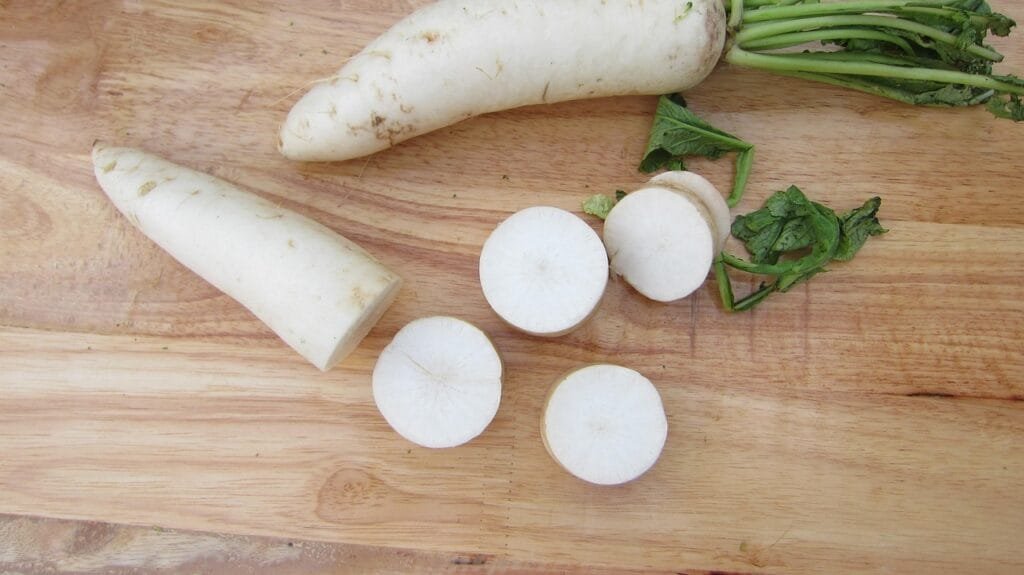
Hindi: Mooli · Tamil: Mullangi · Telugu: Mullangi · Kannada: Moolangi · Bengali: Mulo · Odia: Moola · Kosali/Sambalpuri: Moola
Nutrition highlights: 1.6 g fiber per 100 g, 23 mg vitamin C, decent folate, and low-calorie at just 16 kcal/100 g. Radish leaves (often discarded) are even more nutritious — higher in calcium and vitamin C than the root.
Radish is one of the fastest-maturing vegetables you can grow — some varieties are ready in 25–30 days. It makes little nutritional splash on paper, but its fiber content matters for gut health, and the freshness difference between a home-grown radish and a limp supermarket one is remarkable.
How to grow it: Needs deep containers (at least 30 cm) to allow root development. Sow seeds 2–3 cm apart, water consistently, and harvest before they get pithy. Use the leaves in parathas or sabzi — don’t waste them.
Best season (India): October to February.
Reality Check: Radish becomes woody and pithy if left too long in the ground. Harvest on time — around 3–4 weeks. If you miss the window, the root cracks and loses its crunch and nutrition. Set a phone reminder when you sow.
7. Bell Pepper (Capsicum) — The Vitamin C King
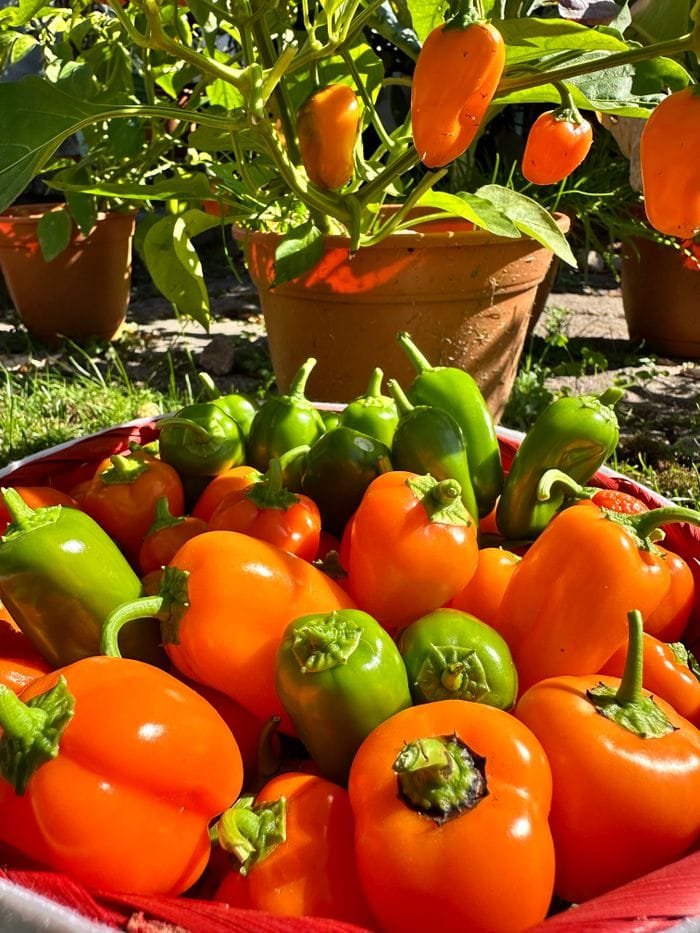
Hindi: Shimla mirch · Tamil: Kodai milagai · Telugu: Capsicum / Dabbakaya · Kannada: Donne menasinakai · Bengali: Capsicum
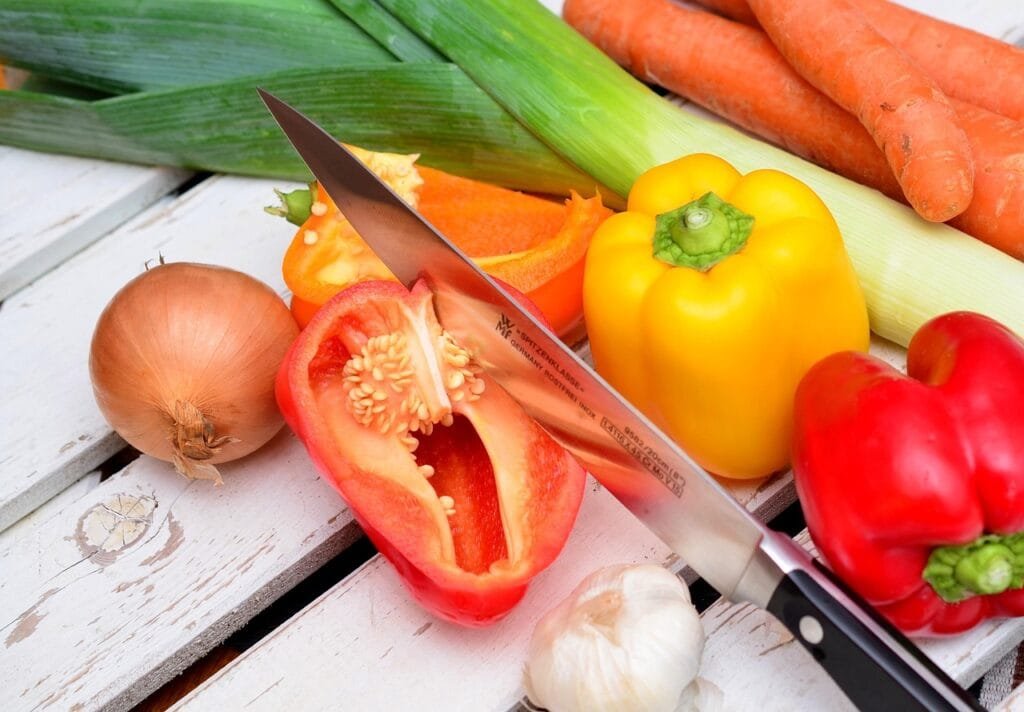
Nutrition highlights: Red bell pepper delivers 128 mg vitamin C per 100 g — more than twice the amount in an orange. Also rich in vitamin B6, folate, and beta-carotene.
Among the vegetables on this list, red bell pepper is the clear vitamin C leader — especially if you let them ripen fully on the plant. Store-bought peppers are often harvested green and never develop full vitamin C levels.
How to grow it: Needs large pots (15-litre minimum), at least 6 hours of sun, and warm temperatures. Transplant seedlings rather than direct sowing. Takes 70–90 days to first fruit, and plants can keep producing for months.
Best season (India): November to February (plains); June to October (hills).
Reality Check: Bell peppers have a longer growing period than most home-gardeners expect. You won’t see a pepper for 2–3 months. They’re also prone to aphid attacks. Worth the effort for nutritional value, but not a quick-win crop. If you want something simpler and faster, start with spinach or methi first.
8. Drumstick Leaves (Moringa) — The Most Nutrient-Dense Plant in This List

Hindi: Sahjan · Tamil: Murungai keerai · Telugu: Munagaku · Kannada: Nugge soppu · Bengali: Sajna pata · Malayalam: Muringa ila · Odia: Sajana patra · Kosali/Sambalpuri: Munga patar
Nutrition highlights: 9.4 g protein, 440 mg calcium, 28 mg iron, 51 mg vitamin C per 100 g (fresh leaves). Moringa is among the most nutrient-dense leafy plants documented — frequently cited in nutrition research for the breadth of its micronutrient profile.
If you have any outdoor space — a terrace, a corner of a garden, or even just room for a large pot — a moringa tree is worth planting. It grows fast, thrives in Indian heat, requires almost no water once established, and provides year-round harvests of leaves
How to grow it: Plant from a cutting in a large container or directly in the ground. Direct sun, minimal watering (drought-tolerant), and occasional pruning to keep it bushy. The tree can reach 3–5 metres if unchecked; prune regularly for container growing.
Best season (India): March to June for planting. Grows year-round in tropical regions.
Reality Check: Moringa is not a balcony plant. It needs outdoor space, strong sunlight, and room to grow. In a small apartment without a terrace, skip this one — a large pot on a roof terrace is the minimum viable setup.
9. Amaranth Leaves — The Summer Leafy Greens Solution
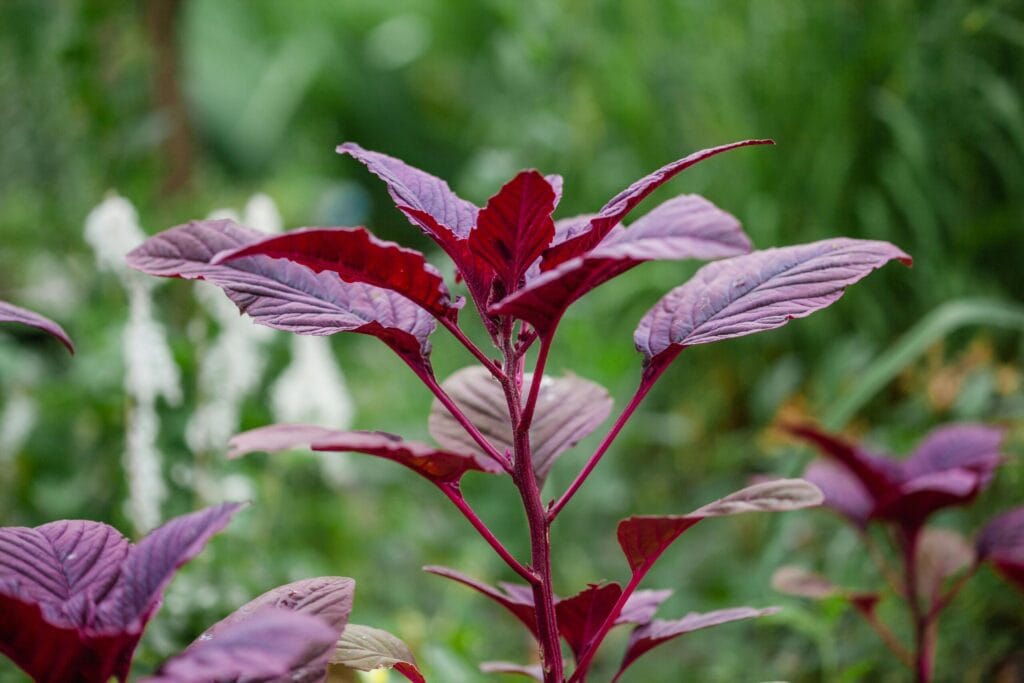
Hindi: Chaulai / Lal saag · Tamil: Thandukeerai / Mulai keerai · Telugu: Thotakura · Kannada: Dantina soppu · Bengali: Lal shaak · Odia: Lal shaaga · Kosali/Sambalpuri: Lal bhaji sag
Nutrition highlights: 2.3 g protein, 215 mg calcium, 38 mg vitamin C per 100 g. Amaranth is also rich in lysine — an amino acid most leafy greens lack.
This one solves a specific problem: what do you grow in Indian summer when spinach and methi have bolted? Amaranth is your answer. It’s heat-tolerant, grows fast, and is highly nutritious. Red amaranth varieties are also visually striking, adding colour to any garden or balcony.
How to grow it: Broadcast seeds in a large container or directly. Water well, and thin seedlings to 10–15 cm spacing. Harvest leaves continuously — the more you harvest, the more it bushes out. Grows in 4–6 weeks.
Best season (India): March to August (peak summer crop).
Reality Check: Amaranth attracts pests in monsoon. Aphids and caterpillars can damage plants quickly. A simple neem oil spray (5 ml per litre of water) applied weekly is usually enough to manage them organically.
10. Spring Onion — The No-Excuse Beginner Crop
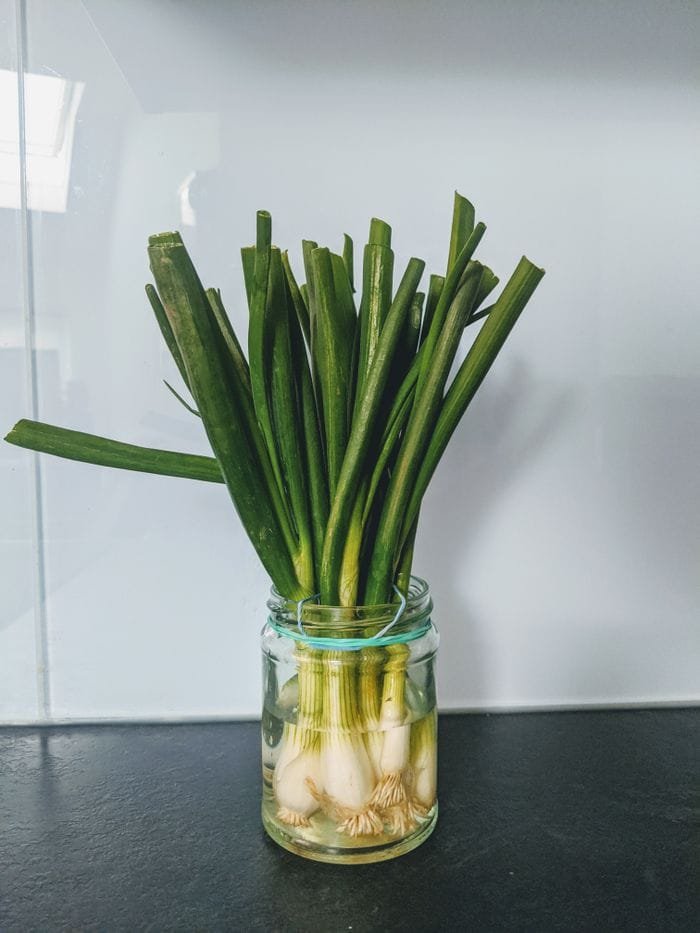
Hindi: Hara pyaz · Tamil: Vengaya thandu · Telugu: Pachi ullipayalu · Kannada: Hasiru eerulli · Bengali: Kancha peyaj · Odia: Piaja patra · Kosali/Sambalpuri: Piaj patar
Nutrition highlights: Vitamin K, vitamin C, folate, and chromium (which supports blood sugar regulation). While not as dense as moringa or spinach, spring onions punch above their weight as a condiment crop.
Spring onion is included here specifically for people who’ve “tried home gardening and failed.” It is genuinely the most forgiving vegetable on this list. Plant the root end of a store-bought spring onion in a glass of water or a small pot, water daily, and harvest in 10–14 days. No seeds, no soil required for a first attempt.
How to grow it: Place root ends in water (5 cm deep) on a sunny windowsill. Roots develop within 2–3 days; greens regrow in 1–2 weeks. Transition to soil after first regrowth for stronger plants.
Best season (India): Year-round.
Reality Check: Spring onions regrown in water will give you 2–3 harvests maximum before they weaken. For sustainable production, move them to soil. Also, water-regrown greens are milder in flavour than fresh-sown ones — but perfectly nutritious and totally usable.
Quick Comparison: Nutrition vs. Ease of Growing
| Vegetable | Key Nutrient | Ease/Difficulty | Space Needed/Container | Best For/Notes |
|---|---|---|---|---|
| Spinach | Folate; Iron | Easy | Small pot | Winter nutrition |
| Fenugreek Leaves | Iron; Calcium | Very Easy | Shallow tray | Beginners |
| Tomato | Lycopene; Vit C | Moderate | Large pot | Antioxidants |
| Coriander | Vitamin K | Easy | Windowsill pot | Daily use |
| Curry Leaves | Calcium; Alkaloids | Easy (perennial) | Medium pot | Long-term yield |
| Radish | Fiber; Folate | Easy | Deep pot | Quick harvest |
| Bell Pepper | Vitamin C | Moderate-Hard | Large pot | High vitamin C |
| Moringa | Protein; Iron; Ca | Easy (if space) | Outdoor only | Maximum nutrition |
| Amaranth Leaves | Protein; Calcium | Easy | Medium pot | Summer gap |
| Spring Onion | Vitamin K; C | Easiest | Any container | No-fail start |
Starting Smart: A Few Honest Tips
Don’t start with ten plants at once. Pick two or three from this list that fit your season, space, and cooking habits. Master those before expanding.
Use potting mix, not garden soil. This is the single most common mistake I’ve seen — and it’s an easy fix. Garden soil compacts in containers, stifles roots, and can carry soil-borne pathogens, fungal spores, and pest larvae directly into your pots — problems that simply don’t exist with a fresh sterile potting mix. A standard potting mix (cocopeat + vermicompost + perlite) costs under ₹200 per bag and makes a dramatic difference. The plants in your ground garden and the plants in your pots need completely different soil — don’t treat them the same.
Less intervention, not more. One thing agriculture teaches you clearly: overcare kills more plants than neglect does. Once a plant is established, it wants stability — consistent watering, steady sunlight, and to be left alone. Moving pots around constantly, checking roots, adding fertiliser every week — these all stress the plant. Water it, place it in good light, and resist the urge to fuss.
Connect your garden to your actual nutritional gaps. Growing food for health only works if you know what your body actually needs. A daily palak sabzi covers roughly 40% of your folate requirement — that’s real, trackable progress. If you want to map your home harvest against your nutritional targets, the Macronutrient Calculator on Vitaroxi is a good starting point.
Water consistently, not randomly. Most home garden failures come from irregular watering — too much on weekends, too little on weekdays. A 5-minute daily routine beats occasional drowning.
Frequently Asked Questions
Which vegetable is easiest to grow at home for beginners?
Fenugreek (methi) and spring onion are the easiest home vegetables for Indian beginners. Methi germinates in 2–3 days using kitchen spice seeds, and spring onion can be regrown in water without any soil.
Which home-grown vegetable has the most nutrition?
Moringa (drumstick leaves) is one of the most nutrient-dense, with high protein, calcium, iron, and vitamin C in one plant. For container-friendly options, spinach and bell pepper offer the best nutritional return per pot.
Can I grow vegetables at home without a garden?
Yes. Most vegetables on this list — spinach, methi, coriander, radish, spring onion — grow well in pots on a balcony or even a sunny windowsill. You don’t need a garden to grow nutritious food at home.
When should I start growing vegetables at home in India?
October to February is the ideal window for most leafy greens in Indian plains — spinach, methi, coriander, and radish. For summer, switch to amaranth and continue with tomatoes and curry leaf. Tomatoes and bell peppers are best planted in November.
Do home-grown vegetables really have more nutrition than store-bought?
es, for most vegetables. Vitamin C and folate degrade rapidly after harvest. Home-grown vegetables eaten the same day of harvest retain significantly more of these nutrients compared to supermarket produce that has been in cold storage for days.
Final Word
You don’t need a farm, fancy equipment, or a green thumb to grow nutritious vegetables at home. A few pots, a sunny spot, and some attention to timing are enough to meaningfully improve the freshness and nutritional quality of what lands on your plate.
Start small, stay consistent, and harvest often. Your kitchen — and your body — will notice the difference.
Sources & Disclaimer
Nutritional values referenced from ICMR-NIN Indian Food Composition Tables (IFCT 2017). Values are per 100 g edible portion (raw, unless stated) and represent national averages — actual values may vary based on variety, growing region, and preparation method.
Growing tips and seasonal guidance reflect general conditions for Indian plains climates and personal field observation. Local conditions may vary.
This article is for informational purposes only and does not constitute medical or dietary advice. If you have a specific health condition or nutritional requirement, consult a qualified nutritionist or healthcare professional.