Dates (Khajoor) – Complete Guide: Benefits, Nutrition, Side Effects & FAQs
What Are Dates?
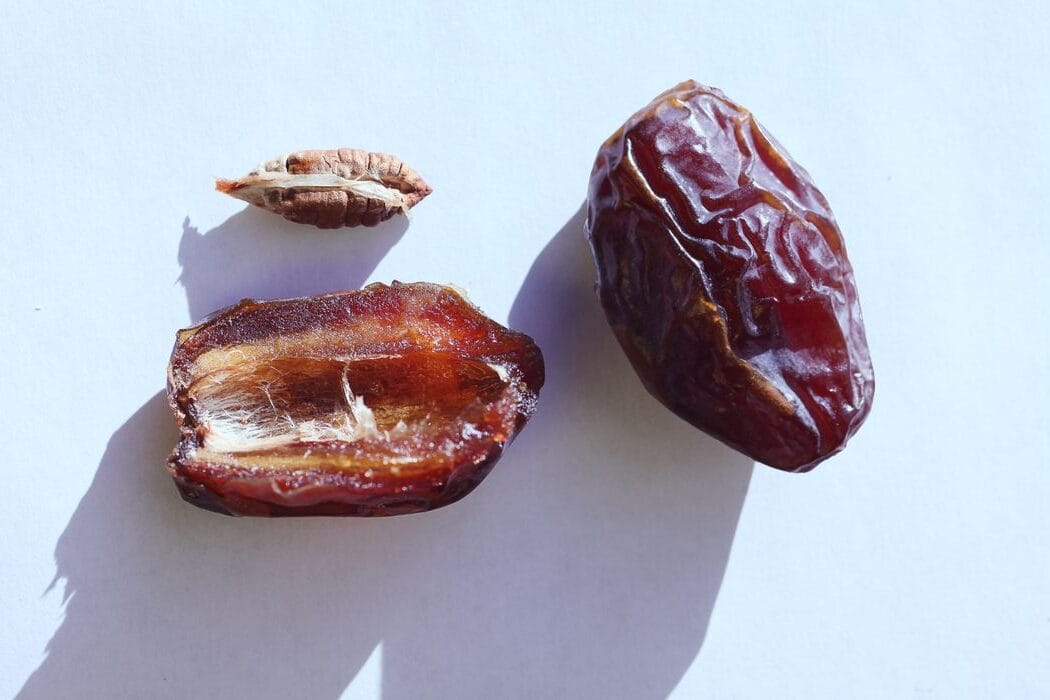
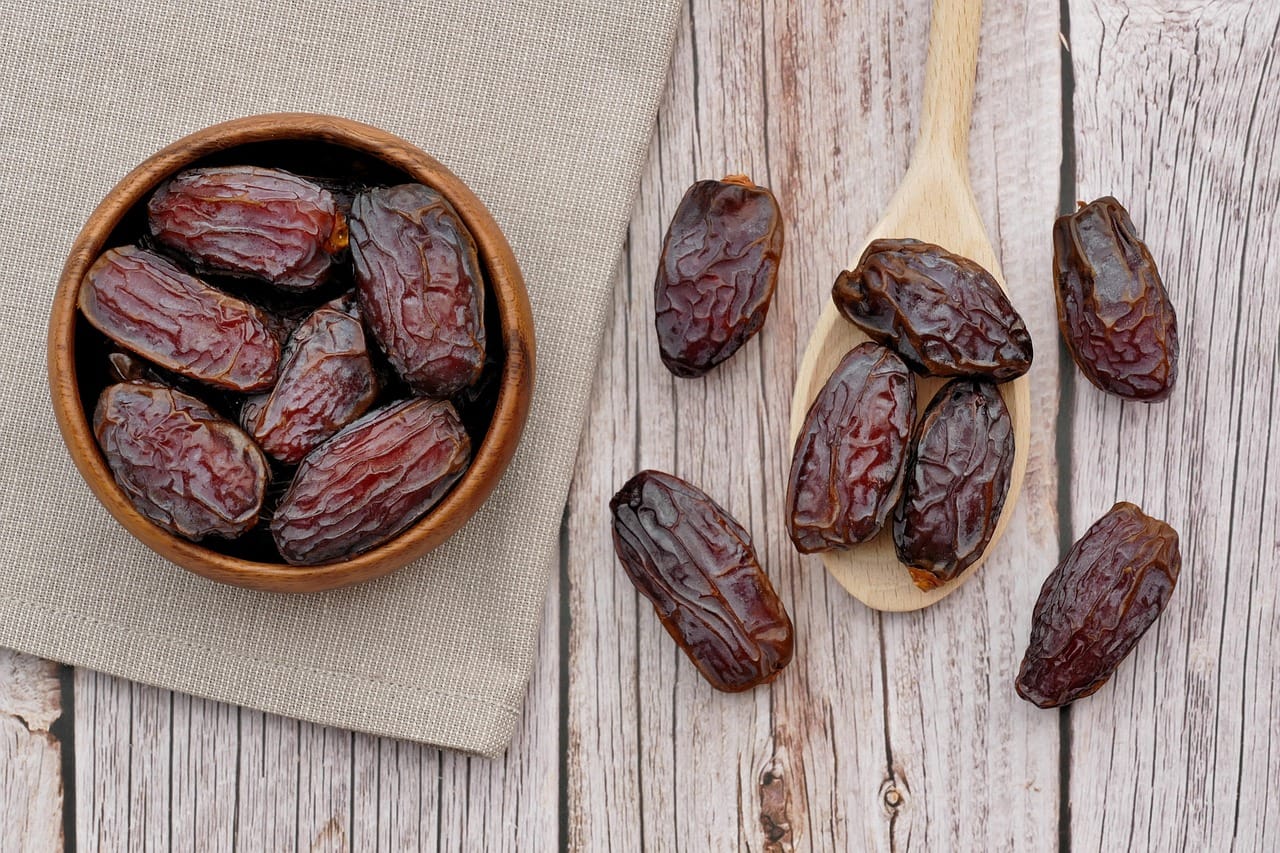
Dates are the fruit of the date palm tree (Phoenix dactylifera). In India, they are commonly called Khajoor (खजूर). They have been eaten for thousands of years and are one of the oldest cultivated fruits in the world.
Dates are naturally sweet, soft, and chewy. They are rich in natural sugars, fiber, vitamins, and minerals – making them one of the most nutritious dry fruits you can eat.
You will find them in two forms in the market:
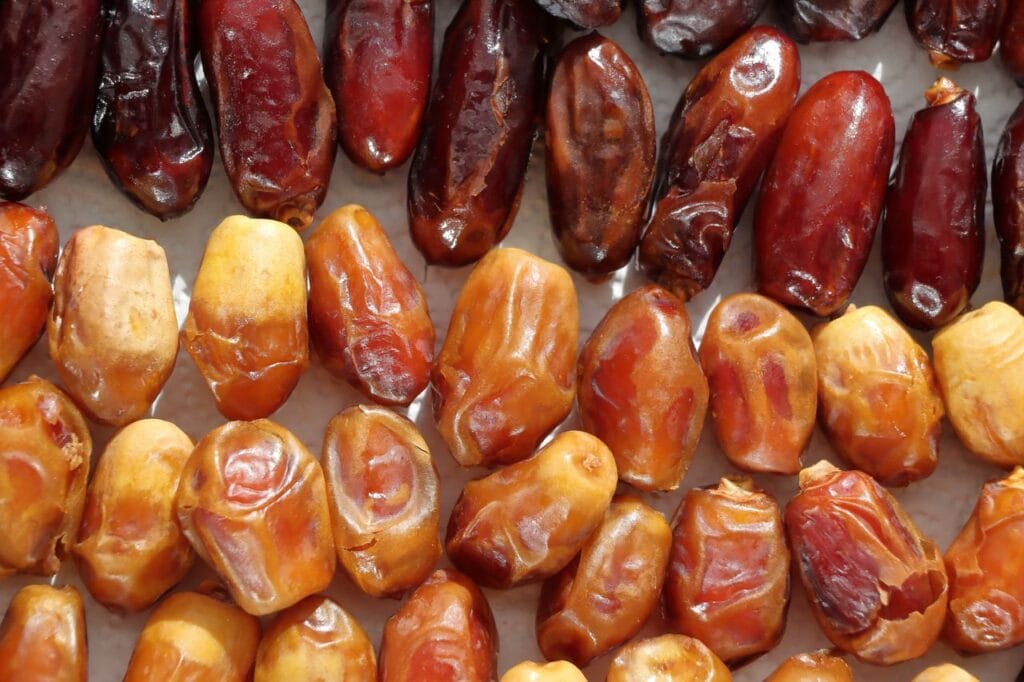
- Fresh dates – soft, golden-yellow or red
- Dried dates – dark brown, wrinkled, and very sweet (most common in India)
Nutritional Value of Dates (Per 100g)
Source: ICMR-NIN IFCT 2017 / USDA FoodData Central
| Nutrient | Amount per 100g | Per 1 Date (~24g) |
|---|---|---|
| Calories | 320 kcal | 77 kcal |
| Carbohydrates | 74.91 g | 17.98 g |
| Natural Sugar | 66.63 g | 15.99 g |
| Dietary Fiber | 8.95 g | 2.15 g |
| Insoluble Fiber | 7.53 g | 1.81 g |
| Soluble Fiber | 1.42 g | 0.34 g |
| Protein | 2.45 g | 0.59 g |
| Fat | 0.35 g | 0.08 g |
| Potassium | 804 mg | 193 mg |
| Magnesium | 73.79 mg | 17.71 mg |
| Iron | 3.20 mg | 0.77 mg |
| Calcium | 71.20 mg | 17.09 mg |
| Phosphorus | 73.02 mg | 17.52 mg |
| Copper | 0.36 mg | 0.09 mg |
| Manganese | 0.82 mg | 0.20 mg |
| Zinc | 0.70 mg | 0.17 mg |
| Sodium | 3.27 mg | 0.78 mg |
| Selenium | 0.78 µg | 0.19 µg |
| Vitamin B6 | 0.14 mg | 0.03 mg |
| Niacin (B3) | 1.47 mg | 0.35 mg |
| Folate (B9) | 18.65 µg | 4.48 µg |
| Thiamine (B1) | 0.03 mg | 0.01 mg |
| Riboflavin (B2) | 0.03 mg | 0.01 mg |
| Pantothenic Acid (B5) | 0.51 mg | 0.12 mg |
| Vitamin C | 4.42 mg | 1.06 mg |
| Vitamin K1 | 3.34 µg | 0.80 µg |
Per 1 date (approx. 24g):
- ~77 kcal
- ~18g carbohydrates
- ~2.1 g fiber
10 Proven Health Benefits of Dates
1. Great Natural Energy Source
Dates are high in natural sugars – glucose, fructose, and sucrose. They give you quick and sustained energy. This is why athletes eat dates before workouts, and why they are recommended during Ramadan fasting to break the fast.
Reality Check: This is one of the strongest and most reliable benefits. Eat 2–3 dates 30 minutes before exercise or during a mid-day slump and you will feel a real energy lift within 20–30 minutes. However, the effect lasts only 1–2 hours. For longer energy, pair dates with protein or fat — like 5 almonds alongside.
2. Good for Digestion and Constipation
Dates are rich in dietary fiber (about 8.95g per 100g). Fiber helps prevent constipation, promotes healthy bowel movements, and feeds good bacteria in the gut. Soaking 4–6 dates overnight and eating them in the morning (with the water) is a traditional and well-known remedy for constipation.
Reality Check: For mild constipation from a low-fiber diet, this genuinely works — most people notice softer stools within 1–3 days. But if your constipation is due to a medical condition, thyroid issue, or medication side effect, dates will give only partial relief. See a doctor for chronic constipation.
3. Rich in Antioxidants
Dates contain powerful antioxidants like flavonoids, carotenoids, and phenolic acid. These protect your cells from damage caused by free radicals and may reduce the risk of chronic diseases like diabetes, cancer, and heart disease over time.
Reality Check: Dates do have real antioxidants, but the amounts per typical serving (3–5 dates) are moderate — not exceptional. If you are eating dates specifically for antioxidants, amla, blueberries, and green tea are significantly more potent per gram. Think of dates as a good addition to an antioxidant-rich diet, not a standalone solution.
4. Supports Heart Health
- High potassium in dates helps control blood pressure
- Magnesium relaxes blood vessels
- Fiber helps lower LDL (bad) cholesterol
- Antioxidants reduce inflammation in arteries
Eating 3–5 dates daily may contribute to a healthier heart over time.
Reality Check: The heart benefits are real but slow and modest. Five dates gives roughly 400mg potassium — about 10% of your daily need. This is a helpful contribution, but dates alone cannot fix high blood pressure or high cholesterol. They work as one part of a heart-healthy diet over months — not as a quick fix. Do not stop any medication based on eating dates.
5. Good for Bones
Dates contain minerals important for bone strength:
- Calcium – builds bone
- Phosphorus – works with calcium
- Magnesium – prevents bone loss
- Manganese – needed for bone formation
These make dates useful for preventing conditions like osteoporosis, especially as you age.
Reality Check: Five dates gives you roughly 60–70mg calcium, which is only about 6–7% of your daily need (1000mg). Dates alone will not protect your bones. Ragi (finger millet), dairy, sesame seeds, and weight-bearing exercise are far more impactful for bone health. Dates are a small supporting food here, not a solution.
6. Helps the Brain
Studies suggest that antioxidants and flavonoids in dates may lower brain inflammation and may reduce the risk of Alzheimer’s disease over time.
Reality Check: Be cautious here — this benefit is based mainly on early animal studies, not large human clinical trials. You are unlikely to notice any memory or concentration improvement from eating dates in the short term. The benefit, if any, is very long-term and indirect. Do not eat dates specifically for brain health based on current evidence.
7. Supports Pregnancy
Dates are one of the best foods during the last weeks of pregnancy. Research shows that eating 6 dates daily in the final 4 weeks may help the cervix dilate naturally, reduce the need for labor induction, and shorten the duration of labor. They are also high in folate which is important for the baby’s development.
Reality Check: This is one of the best-researched benefits of dates, with actual human clinical trials. The labor support benefit is specifically for the last 4 weeks of pregnancy — not the whole nine months. For general pregnancy nutrition, dates are a good snack but prenatal supplements are still essential. Always confirm with your gynecologist before making changes in pregnancy.
8. Supports Iron Levels (Helps in Anemia)
Dates are a meaningful plant-based iron source — ICMR-NIN IFCT 2017 records 3.20 mg of iron per 100g of dried khajoor. Five dates (~120g) contribute roughly 3.8 mg — about 22% of the 17 mg daily requirement for adult Indian women (ICMR RDA). Pairing them with Vitamin C-rich foods like amla or lemon further improves absorption of this non-haem iron.
Reality Check: Dates are a better iron source than most people assume — five dates delivers around 3.8 mg, or roughly 22% of the ICMR daily requirement for women. The real limitation isn’t quantity — it’s bioavailability. Plant-sourced (non-haem) iron competes with tannins in the gut. Soaking dates overnight and eating them with Vitamin C (amla, lemon) can both help absorption. For active iron-deficiency anaemia, dates should complement — not replace — clinical treatment and richer sources like rajma, horse gram, and sesame seeds.
9. May Help Control Blood Sugar (in Moderation)
Despite being sweet, dates have a low to medium glycemic index (GI: ~42–62). The fiber slows sugar absorption, so they do not spike blood sugar as much as their sweetness suggests.
Reality Check: “Not spiking blood sugar as much as expected” is different from “lowering blood sugar.” Dates will not improve your HbA1c or reduce your diabetes medication. The value for diabetics is that dates are a safer sweet option than refined sugar, biscuits, or mithai — not that they treat diabetes. Eat 2 dates maximum at a time, always paired with nuts, and check your blood sugar 1.5 hours after to know your personal response.
10. Gut Microbiome Support
The fiber in dates acts as a prebiotic — it feeds beneficial bacteria in the gut. Regular consumption may support a healthier gut microbiome over time.
Reality Check: This is a real but slow, background benefit. You will not feel it directly or immediately. For meaningful gut health improvement, a variety of vegetables, fermented foods (dahi, idli, kanji), and adequate water matter far more than dates alone.
How Many Dates Should You Eat Per Day?
This depends on your goal:
| Goal | Recommended Quantity |
|---|---|
| General health | 3–5 dates/day |
| Weight gain | 5–7 dates/day (with milk) |
| Weight loss | 2–3 dates/day (as snack replacement) |
| Diabetes | 2–3 dates/day maximum |
| Constipation | 4–6 soaked dates (morning) |
| Pregnancy | 6–7 dates/day (last trimester) |
Do not eat more than 7–8 dates per day without a specific reason. They are high in calories and sugar.
Best Time to Eat Dates
| Time | Why It Works |
|---|---|
| Morning (empty stomach) | Boosts digestion and metabolism |
| Pre-workout (30 min before) | Quick energy for exercise |
| As evening snack | Beats sugar cravings naturally |
| Before bed (with milk) | Good for sleep, muscle recovery |
| To break a fast | Restores energy quickly |
Dates for Weight Gain or Weight Loss?
Dates for Weight Gain
Yes, dates are great for healthy weight gain:
- High in calories (~320 kcal/100g)
- Natural sugars + fiber prevent energy crashes
- Best combo: 5–7 dates + 1 glass warm milk daily
Reality Check: This works — but only if your overall daily calorie intake is already in surplus. Dates alone cannot cause weight gain if the rest of your diet is insufficient. They are a convenient, nutritious way to add calories, not a magic weight-gain food.
Dates for Weight Loss
Yes, dates can help with weight loss too:
- The fiber keeps you full longer
- They satisfy sweet cravings naturally
- They replace unhealthy snacks
- Key: Eat in moderation, 2–3 per day, not with added sugar
Reality Check: Dates help weight loss only as a direct swap for worse snacks — not as an addition to your usual diet. At 320 kcal/100g and 66g sugar, they are a relatively high-calorie food. Eating dates on top of your normal meals will work against weight loss. The swap idea is real and practical — the “dates melt fat” idea you see on many websites is not.
Are Dates Safe for Diabetics?
Yes, in moderation. Here is what you need to know:
- Dates have a low glycemic index (~42–55) for most varieties
- The glycemic load per serving (2–3 dates) is actually low
- Fiber slows glucose absorption
- Studies show moderate date consumption does not worsen blood sugar
Safe amount for diabetics: 2–3 dates per day, best eaten with a protein or fat (like nuts) to slow sugar release. Monitor your blood sugar after eating dates to see your personal response.
Reality Check: “Not worsening blood sugar” is not the same as “good for diabetes.” Dates are a safer dessert substitute — not a treatment. Use them to replace mithai or sugar in tea, not to eat in addition to them. People with poorly controlled diabetes (HbA1c above 9) should avoid dates until their numbers improve. Always monitor your blood sugar after eating dates when trying for the first time.
Dates During Pregnancy
Dates are one of the best fruits during pregnancy:
First & Second Trimester:
- Folate prevents birth defects
- Iron supports increased blood volume
- Fiber prevents constipation (very common in pregnancy)
- Natural energy without excessive caffeine
Third Trimester (Last 4 Weeks):
- Research shows 70–80% of women who ate 6 dates/day had easier labor
- Dates help cervical ripening
- May reduce need for induction
Reality Check: The labor benefit is specifically for the last 4 weeks — this is what the actual research studied. Do not expect it to work in the first or second trimester. For overall pregnancy nutrition, 6 dates provides only about 40–50mcg folate (10–12% of daily pregnancy need) — so prenatal supplements remain essential alongside dates.
Always consult your gynecologist before making dietary changes during pregnancy.
Dates Benefits for Men
Dates have been used as a natural vitality food for men for centuries.
Energy and Stamina: The natural sugars provide fast energy without the crash of caffeine. Great for gym-goers and men with physically demanding jobs.
Muscle Recovery: Potassium (804mg/100g) and magnesium (73.79mg/100g) help with muscle contraction and reduce post-workout cramps.
Sexual Health and Testosterone: Dates contain estradiol and flavonoid compounds. Animal studies suggest they may support sperm count, motility, and testosterone-like activity. Traditional recipe: soak 5–6 dates in milk overnight, blend with cardamom and honey, drink in the morning.
Reality Check: Energy and muscle recovery benefits for men are genuine and well-supported. The sexual health claim is the most searched — and the most overstated. The research behind it is largely animal studies; there are no large human clinical trials confirming dates significantly improve testosterone or sexual performance in men. Dates are a healthy food, not a supplement. If you have real concerns about testosterone or fertility, see a doctor — do not rely on dates alone.
Dates Benefits for Women
During Menstruation: Iron helps replace what is lost during periods. Magnesium may mildly reduce cramps by relaxing muscle tissue.
For PCOS: Low-to-medium GI makes dates a safer sweet option than refined sugar for insulin-sensitive women with PCOS.
Bone Health: Calcium, phosphorus, and magnesium contribute to bone maintenance, especially important after menopause.
Hormonal Balance: The B vitamins and minerals in dates support general endocrine health.
Reality Check: The period cramp benefit is mild — magnesium per serving is modest and dates alone will not replace a painkiller. The PCOS benefit is practical and real: swapping sugar/sweets with dates is a smart dietary choice. Bone health contribution is small (only 6–7% of daily calcium per serving). “Dates balance hormones” is a common claim online but has almost no direct human clinical evidence — dates support general health, not specific hormone levels. For any diagnosed hormonal condition, always work with a doctor.
Dates Benefits for Skin and Hair
For Skin
Dates contain Vitamin C, Vitamin B5 (pantothenic acid), and antioxidants. These nutrients support skin health from the inside — protecting cells from oxidative damage and supporting collagen over time.
Reality Check: Dates are not a skin food the way amla, carrots, or tomatoes are. The Vitamin C content per serving is modest. You are very unlikely to notice visible skin changes from dates alone. The “dates give glowing skin” claim on most Indian health websites is not strongly backed by direct evidence. Dates contribute as part of an overall nutritious diet — not as a standalone skin treatment. For real skin benefits, prioritise amla, adequate water, and sleep alongside a healthy diet.
For Hair
Iron, B vitamins (B5, B6), and trace zinc in dates support scalp health. Iron deficiency is a major cause of hair fall in India — dates can contribute a small amount.
Reality Check: Dates can help with hair fall only if your hair fall is caused by nutritional deficiency — specifically iron or B vitamin deficiency. If your hair fall is due to stress, genetics, thyroid, or hormonal causes, dates will do almost nothing. Even for deficiency-based hair fall, 5 dates provides only ~0.7mg iron versus the 17–21mg daily need — a very small contribution. Combine dates with spinach, sesame seeds (til), amla, eggs, and dal for meaningful results. Dates alone will not stop hair fall.
Soaked Dates vs Dry Dates – Which is Better?
| Feature | Soaked Dates | Dry Dates |
|---|---|---|
| Digestion | Easier to digest | Slightly harder |
| Nutrient absorption | Better | Good |
| Sugar release | Slower | Faster |
| Good for | Constipation, digestion issues | Quick energy, travel snacks |
| Calories | Same | Same |
Soaking tip: Soak 4–6 dates in water overnight. Eat in the morning with the water. This is especially beneficial for constipation, joint pain, and morning energy.
Dates with Milk – Benefits
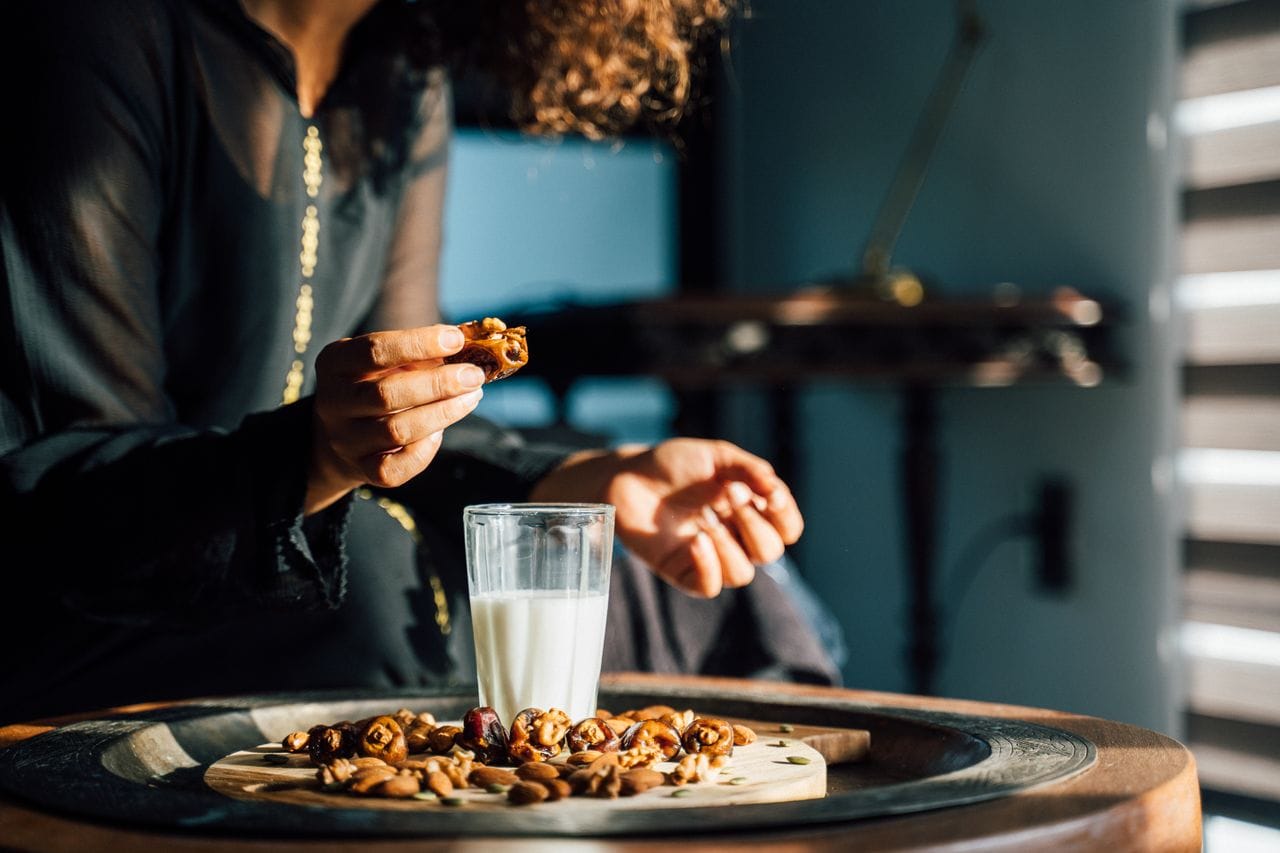
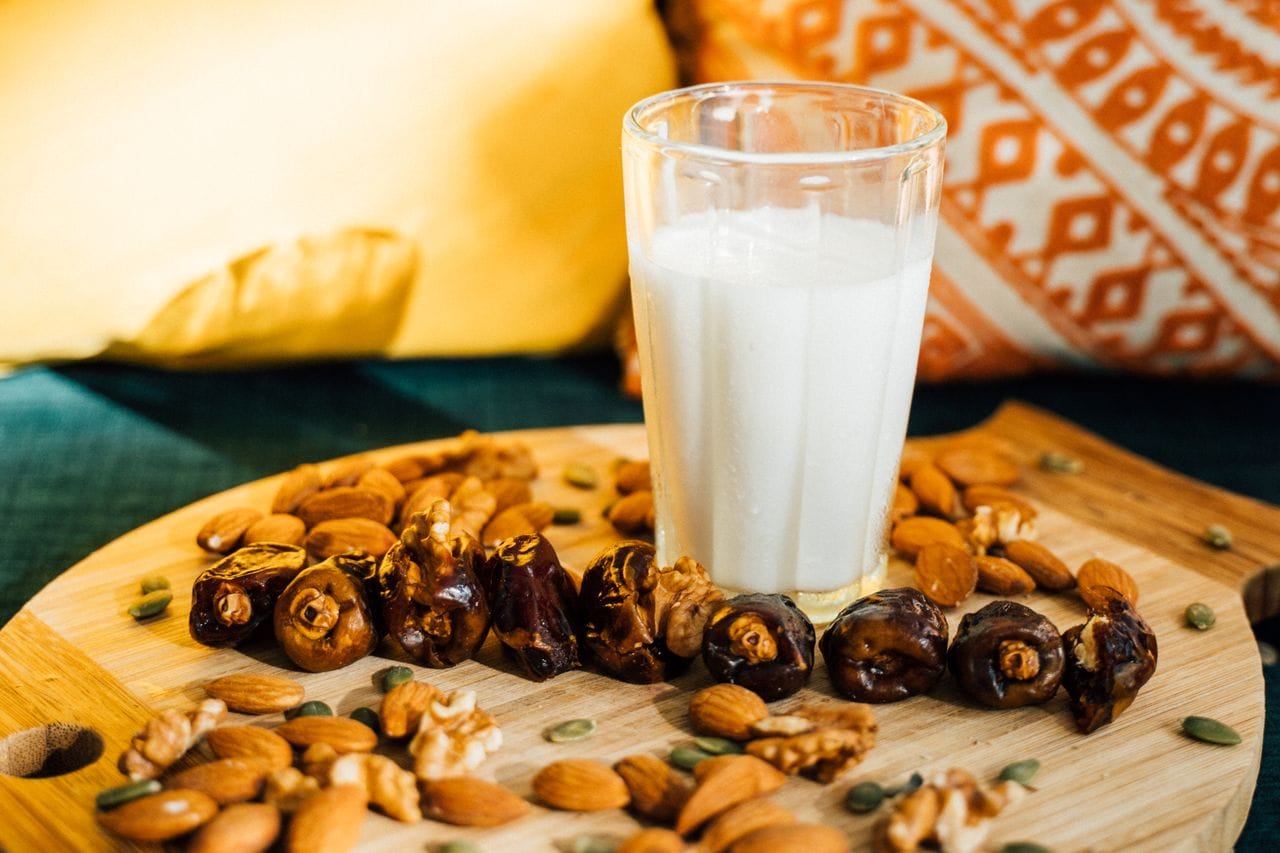
The traditional Indian combination of khajoor + milk is nutritionally solid:
- Milk provides protein and calcium; dates provide energy and iron
- Together they make a good recovery snack
- Good for muscle building, bone health, and weight gain
- Warm milk with dates at night promotes better sleep
How to use: Boil 4–5 dates in 1 glass of milk for 5 minutes. Drink warm before bed.
Reality Check: This is a genuinely good nutritional combination. However, the “dates with milk cures everything” claims on many websites are exaggerated. It is a healthy bedtime drink — not a medical treatment. For men, the milk-dates tonic is nutritious and safe but will not produce dramatic sexual or testosterone results; the research behind those specific claims is mostly from animal studies, not human trials.
Dates in Winter – Why They Are Especially Good
In Ayurveda, dates are classified as warming (Ushna) foods — especially recommended in October–February. They generate internal heat, boost immunity during cold and flu season, and provide dense energy when the body needs more warmth.
Reality Check: The “warming” classification is based on Ayurvedic tradition, not modern clinical studies. That said, dates in winter makes practical nutritional sense — the calorie density, iron, and magnesium are genuinely useful in cold months when people tend to eat less fruit and feel more fatigued.
Types of Dates Available in India
| Variety | Characteristics | Common Use |
|---|---|---|
| Medjool | Large, soft, very sweet | Premium eating dates |
| Deglet Noor | Semi-dry, slightly nutty | Cooking, snacking |
| Piarom | Dark, semi-dry | Snacking |
| Kimia (Mazafati) | Soft, dark, juicy | Fresh eating |
| Safawi | Dark brown, soft | Daily eating |
| Khudri | Medium-soft, affordable | Most common in India |
| Ajwa | Dark black, firm | Highly valued, from Medina |
Ajwa Dates – Special Benefits (Ajwa Khajoor)
Ajwa dates from Medina, Saudi Arabia are the most premium and sought-after variety in India. Dark black, firm, and slightly dry.
Why Ajwa is Special:
- GI of approximately 35 — lower than most other date varieties (~42–62)
- Higher in polyphenols and antioxidants than most varieties
- Deep religious significance in Islamic tradition (Sunnah food)
| Feature | Ajwa Dates | Regular Dates (Khudri/Safawi) |
|---|---|---|
| Glycemic Index | ~35 (lower) | ~42–62 |
| Antioxidants | Very high | Moderate |
| Price | ₹800–2000/kg | ₹200–500/kg |
| Texture | Firm, slightly dry | Soft and chewy |
| Best for | Diabetics, heart health | Daily eating, energy |
Reality Check: Ajwa is genuinely the best variety for diabetics due to its lower GI — this is real. The antioxidant content is also meaningfully higher than regular dates. However, many counterfeit Ajwa dates are sold in India. Real Ajwa has a seed, firm dark flesh, and is not overly sweet. Buy from verified sellers and expect to pay ₹800+ per kg for genuine product.
How many per day: 3–5 for health. Where to buy: Amazon India, BigBasket, or trusted dry fruit shops.
Medjool Dates – The King of Dates
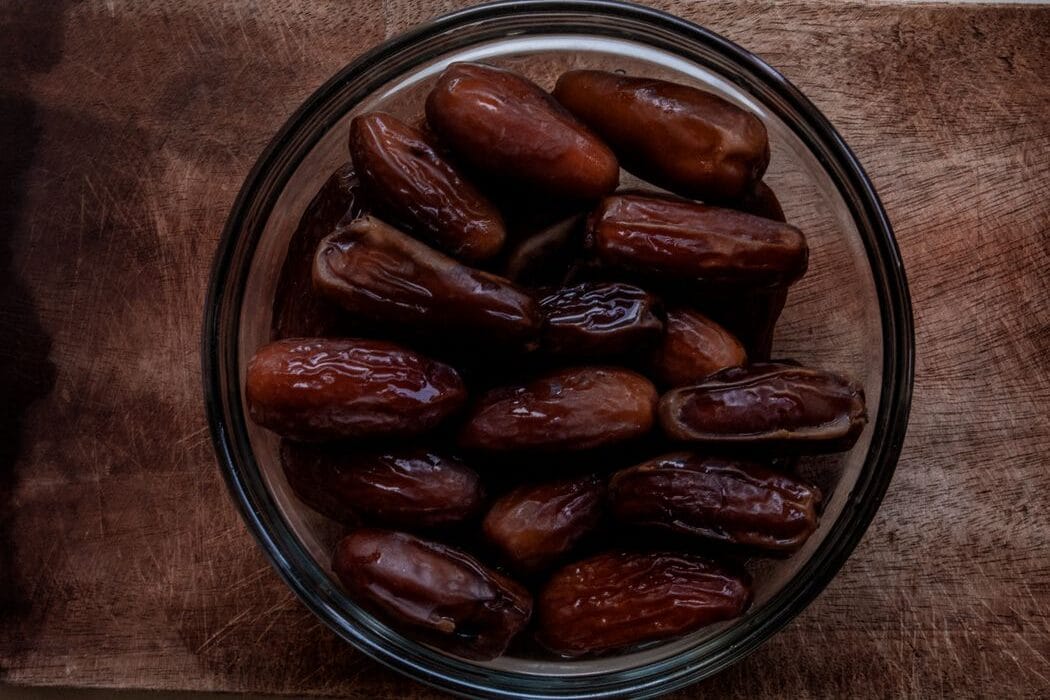
Large, soft, caramel-like. One Medjool date = ~66 calories. Higher natural sugar — eat 2–3 per day maximum. Best as a healthy dessert replacement, in smoothies, or stuffed with nut butter. Price in India: ₹600–1500/kg.
Side Effects of Eating Too Many Dates
While dates are healthy, eating too many can cause problems:
| Issue | Reason |
|---|---|
| Weight gain | Very high in calories |
| Blood sugar spike | High natural sugar content |
| Bloating/gas | Excess fiber if not used to it |
| Diarrhea | Sorbitol has a laxative effect |
| Tooth decay | High sugar sticks to teeth |
| Hyperkalemia (rare) | Very high potassium, risky for kidney patients |
People with kidney disease, irritable bowel syndrome (IBS), or fructose intolerance should be careful and consult a doctor.
Dates vs Other Dry Fruits – Quick Comparison
| Dry Fruit | Calories/100g | Fiber | Sugar | Best For |
|---|---|---|---|---|
| Dates | 320 | 8.95g | 66.63g | Energy, digestion |
| Raisins | 299 | 3.7g | 59g | Quick energy |
| Almonds | 579 | 12.5g | 3.9g | Protein, fats |
| Walnuts | 654 | 6.7g | 2.6g | Omega-3, brain |
| Figs (Anjeer) | 249 | 9.8g | 47g | Digestion, iron |
| Apricots | 241 | 7.3g | 38g | Iron, vitamin A |
Dates are the best choice for natural energy and digestion among dry fruits.
How to Store Dates
- Room temperature: Up to 1 month in an airtight container
- Refrigerator: 6–12 months in a sealed container
- Freezer: Up to 3 years
Avoid moisture. Keep away from direct sunlight. Do not store near strong-smelling foods.
Easy Ways to Eat Dates
- Eat directly as a snack (3–5 per day)
- With warm milk – traditional energy drink
- In smoothies – blend 2–3 dates for natural sweetness (replaces sugar)
- Stuffed with nut butter or almonds
- In oatmeal – chop and add to morning oats
- Date chutney – grind with tamarind and spices
- Date ladoo – mix with coconut, nuts, and roll into balls
- In baking – replace sugar with date paste in cakes and cookies
Frequently Asked Questions (FAQs)
1. Can I eat dates every day?
Yes. Eating 3–5 dates daily is safe and beneficial for most healthy adults.
2. Do dates increase weight?
Dates can cause weight gain if eaten in excess. In controlled amounts (3–5/day), they support healthy weight management. For intentional weight gain, eat 5–7 per day with milk.
3. Can I eat dates on an empty stomach?
Yes. Eating dates on an empty stomach in the morning is one of the best ways to consume them. It improves digestion, boosts metabolism, and provides clean energy.
4. can babies eat dates?
Babies above 6 months can have date paste in very small amounts. It works as a natural sweetener in purees. Do not give whole dates to babies due to choking risk.
5. Which is better – fresh or dried dates?
Both are nutritious. Dried dates have more concentrated calories and sugar. Fresh dates are lower in sugar and higher in Vitamin C. For daily use, dried dates are more practical.
6. How many calories are in 1 date?
One medium date (about 24g) has approximately 75–80 calories.
7, Can I eat dates during weight loss?
Yes, 2–3 dates as a snack can actually help weight loss by replacing sugary snacks and reducing cravings with fiber.
8. Which date is best for diabetics?
Ajwa dates (GI ~35) are the safest choice. Eat 2 at a time, always with nuts, and monitor your blood sugar.
9. Can dates stop hair fall?
Only if your hair fall is caused by nutritional deficiency. Dates provide small amounts of iron and B vitamins that help — but they are not a treatment for hair fall from stress, genetics, or hormonal causes.
10. Are dates good for skin?
Mildly. Dates contain small amounts of Vitamin C, B5, and antioxidants that support skin as part of a balanced diet. But the effect is slow and modest — amla, carrots, and adequate water are far more impactful for skin than dates.
11. Are dates good for men sexually?
The research is mostly from animal studies — there are no large human clinical trials confirming dates improve testosterone or sexual performance. The traditional dates-milk tonic is nutritious and safe, but do not expect supplement-like results. See a doctor for genuine concerns.
12. What is the difference between Khajoor and Chhuhara?
Same fruit, different form. Khajoor = soft moist dates. Chhuhara = fully dried hard dates. Chhuhara lasts longer and is traditionally boiled in milk.
Summary – Key Takeaways
- Dates are packed with energy, fiber, potassium, magnesium, and antioxidants
- Eat 3–5 dates per day for general health
- They are safe for diabetics in moderation (2–3/day)
- Excellent during pregnancy – especially last trimester
- Great for constipation, energy, bone health, and heart health
- Soak overnight for better digestion and absorption
- Avoid eating too many – they are high in sugar and calories
- Best eaten in the morning or before workouts
Sources: ICMR-NIN Indian Food Composition Tables 2017, USDA FoodData Central, PubMed research studies on Phoenix dactylifera.
This article is for general information only. Consult a qualified nutritionist or doctor for personalized dietary advice.