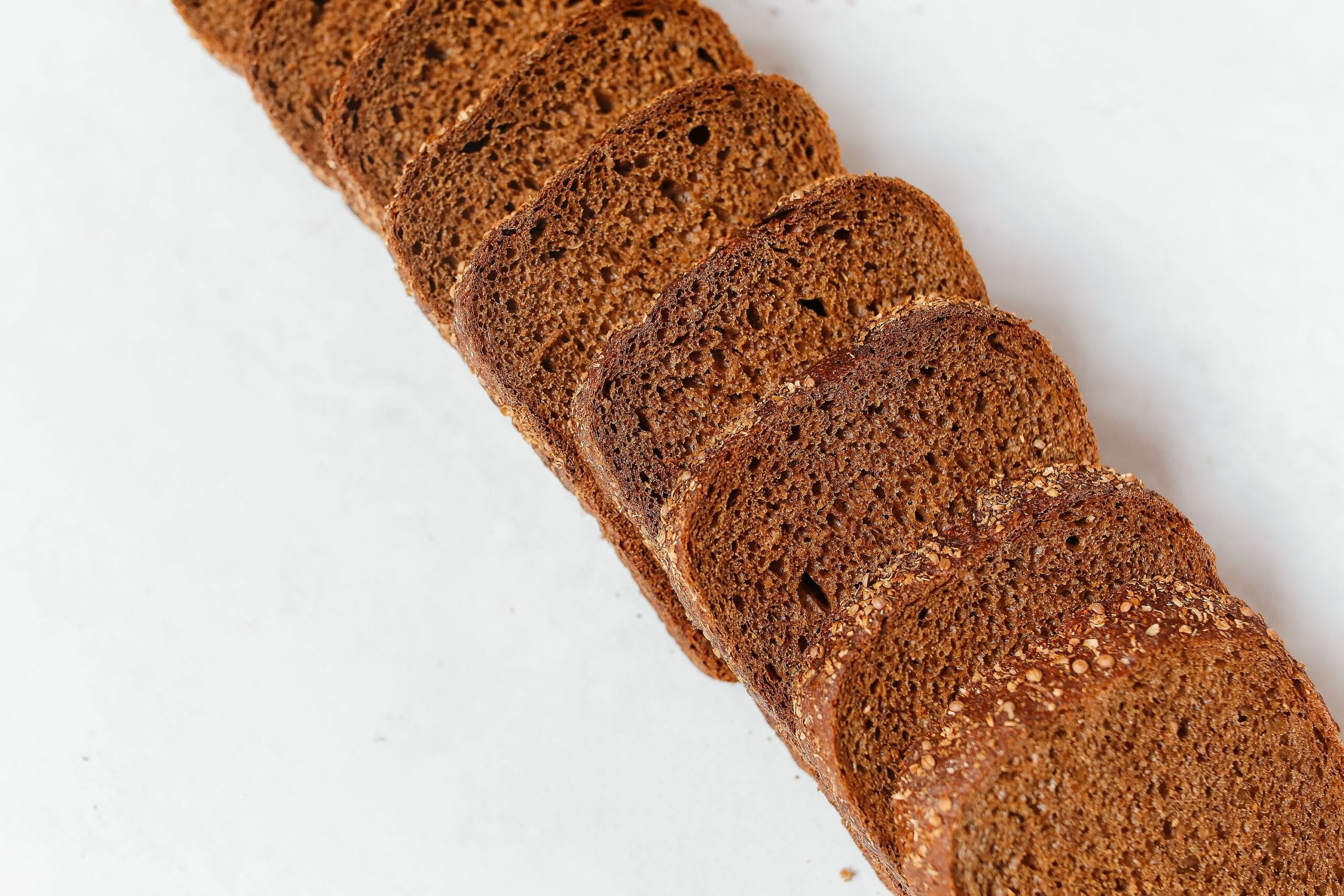
Top view of freshly sliced whole wheat bread on a white background, perfect for bakery or food-related projects.

Is Brown Bread Actually Healthier Than White Bread?

Most brown bread in India is just dyed white bread. Here's the truth.

What makes bread brown?

Two things can make bread brown — whole wheat bran (the healthy kind) or added caramel colour / molasses (the fake kind). Most commercial Indian brown bread uses the second method. The result looks healthy but is nutritionally identical to white bread.

Most brown bread = refined maida + caramel colour (E150). Darker colour ≠ healthier bread.

Whole wheat vs brown bread

Whole wheat bread uses the entire grain — bran, germ, and endosperm. It has ~3–4g fibre per 2 slices and a lower glycaemic index (~65 vs ~85 for white bread). "Brown bread" is a marketing term with no standard in India — it can mean anything.

True whole wheat: ~3.5g fibre, GI ~65  |  Fake brown bread: ~1g fibre, GI ~82

How to check ingredients

Skip

Wheat flour / maida as first ingredient

Refined flour regardless of colour. If it's listed first, the bread is mostly maida.

Skip

Caramel colour (E150) in the list

The brown colour is artificial — not from whole grain.

Caution

Whole wheat flour listed 2nd or 3rd

Some whole wheat present but mostly refined flour.

Buy it

"Whole wheat flour" as the first ingredient

This is what you want. Confirm fibre ≥ 2.5g per serving on the nutrition label.

Better alternatives

100% whole wheat bread- Best packaged option. Check first ingredient.
Multigrain (verified)- Only if fibre ≥ 3g/serving.
Ragi / millet bread- Good calcium and iron. Check base flour.
Homemade chapati / roti- Nutritionally best. No additives.
Regular brown bread- Skip unless ingredients confirm whole wheat.


Frequently asked questions (FAQs)

Is brown bread good for weight loss in India?

Only if it's genuine whole wheat bread with high fibre content. The fibre slows digestion, keeps you fuller longer, and reduces total calorie intake. Fake brown bread (caramel-coloured white flour) provides no such benefit.

100% whole wheat bread with a GI below 70 is the safest packaged option. Even better: ragi roti or bajra roti made at home, which have a lower glycaemic load and no additives.

Britannia's standard brown bread lists wheat flour (refined) as the primary ingredient, with added caramel colour. It is not whole wheat bread. Their NutriChoice range is a better option.

In India, "atta" refers to whole wheat flour. But "atta bread" on packaging doesn't guarantee it's 100% atta — many products use a blend of maida and atta. Always check the ingredient list order.

2–3 slices of genuine whole wheat bread per day is reasonable for most adults. More importantly, variety matters — don't rely on bread as your only carbohydrate source. Rotate with millets, oats, and traditional rotis.

Related Reading

Want more fiber in your diet?
Brown bread may contain more fiber than white bread, but many foods offer much higher amounts. Read our guide on Best Fiber-Rich Foods for Digestion.

Learn more about whole grains
Whole grains generally retain more nutrients than refined grains. Explore our Cereals and Millets Nutrition Facts Guide to compare different grain options.

Not all “healthy” foods are actually healthy
Some brown breads can be heavily processed or colored to appear healthier. Check out Fake Healthy Foods in India: 10 Products Nutritionists Avoid.

Leave a Comment

Your email address will not be published. Required fields are marked *

Scroll to Top