Ultra-Processed ‘Healthy’ Foods
in India: What’s Really
in Your Basket

India's health food aisle runs on one trick: take a trusted ingredient — ragi, amla, oats, haldi — put it in the product name, then bury it behind sugar, refined flour, and a dozen additives. Here are the 10 most important offenders, decoded in full.

The word "healthy" on a food label is a marketing decision, not a nutritional fact. In India, it is also a particularly powerful one — because it hijacks cultural trust in ingredients like ragi, amla, and turmeric to sell products that those ingredients would not recognise.

Fake healthy foods in India have one thing in common — a legitimate Indian ingredient in the name and an industrial formulation behind it.

We are not here to make you afraid of your grocery store. We are here to give you the tools to read a label the way a food scientist would — not the way a copywriter wants you to. Below are 10 products worth understanding in depth, followed by a brief rundown of others you should know about.

10 Indian packaged foods that look healthy but aren't

Products 1–10 · Full Breakdown

High-resolution image of a round digestive biscuit on a black background, perfect for food-related content.
PRODUCT 01 / BISCUITS

Multigrain Digestive Biscuits

" High Fibre · Aids Digestion · Multigrain Goodness "
NOVA 4 17 g Sugar / 50 g Maida #1 Ingredient 5+ Additives

WHAT THE LABEL IMPLIES

The word "multigrain" alongside oat, ragi, and barley icons implies a fibre-rich, digestion-supporting biscuit — a responsible snack for the health-aware. Many Indian consumers switch to these from regular biscuits believing they are making a meaningful nutritional upgrade.

What's actually inside

Refined wheat flour (maida) is almost always ingredient number one. The "multi-grains" are decorative — present in quantities too small to deliver meaningful fibre. A 50 g serving delivers roughly 17 g of sugar and under 1.5 g of fibre. Partially hydrogenated vegetable fat and raising agents round out the formulation.

FSSAI's "source of fibre" threshold is ≥3 g per 100 g — most multigrain biscuits barely reach this. "High fibre" legally requires ≥6 g/100 g. A small bowl of plain cooked oats has 8–10× more soluble fibre than a serving of these biscuits and costs a fraction of the price.
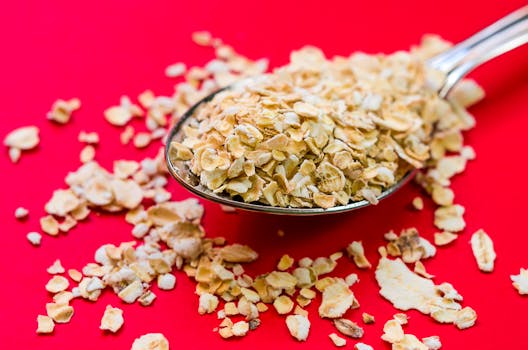
Plain rolled oats cooked with water, a pinch of salt, and fresh fruit. Takes 5 minutes. Genuinely high fibre, no additives, NOVA 1

Plain rolled oats with fresh fruit is the real high-fibre breakfast. Here’s a full list of fibre-rich foods that actually work.

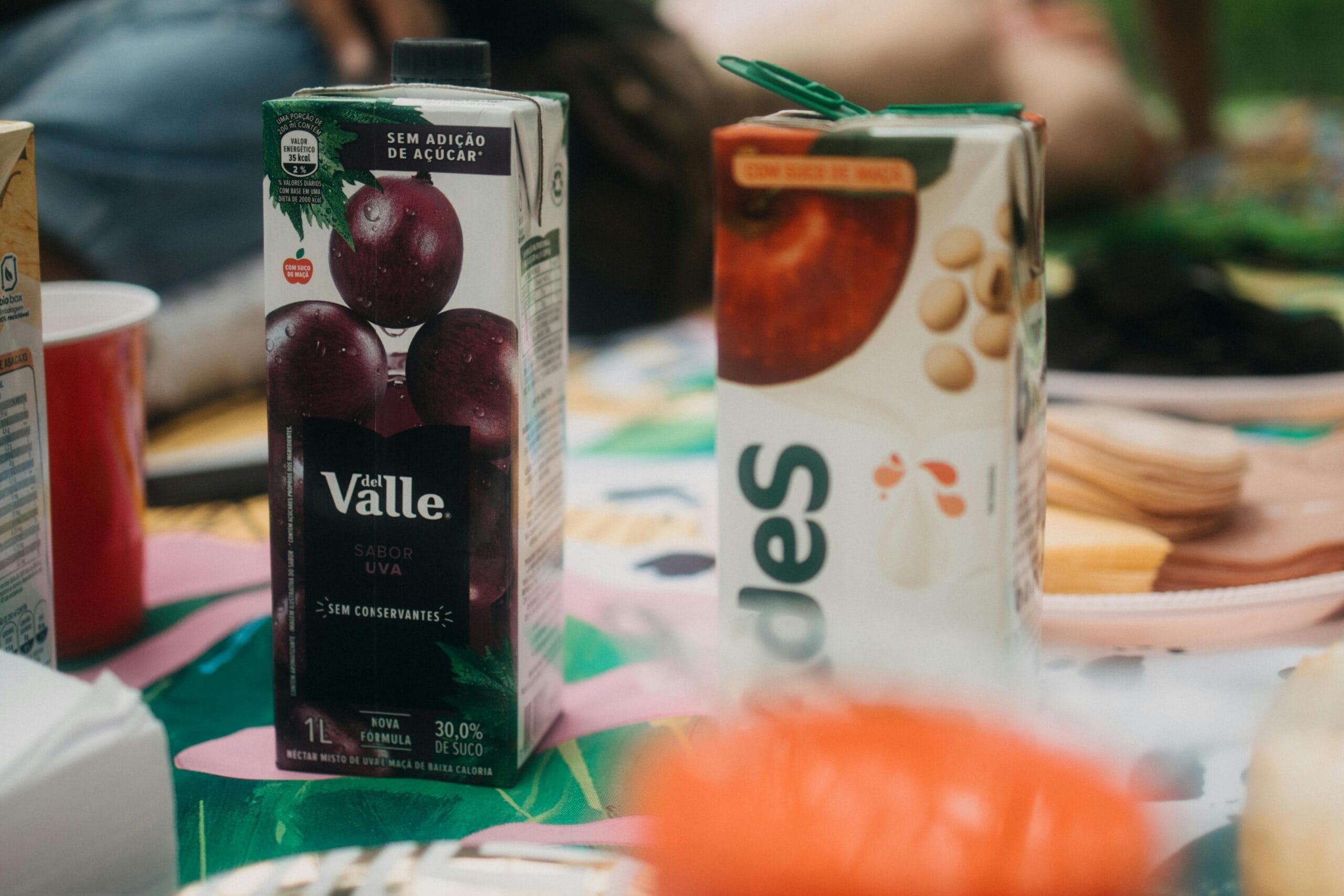
Tetrapak packaged fruit juice labelled 'no added sugar' — a fake healthy food in India with 22g free sugar and zero fibre, classified NOVA 4
Product 02 / Beverages

Tetrapak "100% Natural Fruit Juice" (No Added Sugar)

"No Added Sugar · 100% Natural · Rich in Vitamin C"
NOVA 4 18–24 g Free Sugar / 200 ml Zero Fibre Preservatives

WHAT THE LABEL IMPLIES

"No added sugar" is technically true — the sugar comes entirely from reconstituted juice concentrate. Consumers, especially parents choosing drinks for children, assume this means the product is nutritionally close to eating whole fruit. The "100% fruit" language reinforces this belief completely.

What's actually inside

200 ml of mango or orange tetrapak juice contains 18–24 g of sugar — identical to a cola drink in terms of free sugar load. The entire fibre content of the fruit is removed during processing. Vitamin C, while present, is often synthetic ascorbic acid added back after heat destroys the original. The WHO classifies fruit juice sugars as "free sugars" — the same category as table sugar.

WHO recommends limiting free sugars to under 25 g per day. One carton of "healthy" fruit juice often exhausts that entire allowance in one sitting — with no fibre to slow absorption, no chewing-related satiety signals, and a blood sugar spike comparable to a soft drink.
Eat the whole fruit. One medium mango delivers the same vitamins with 1.6 g fibre, half the sugar impact, and triggers satiety. Takes 3 minutes more than opening a carton.

Want to compare sugar across real Indian drinks? Check our beverages nutrition facts database.

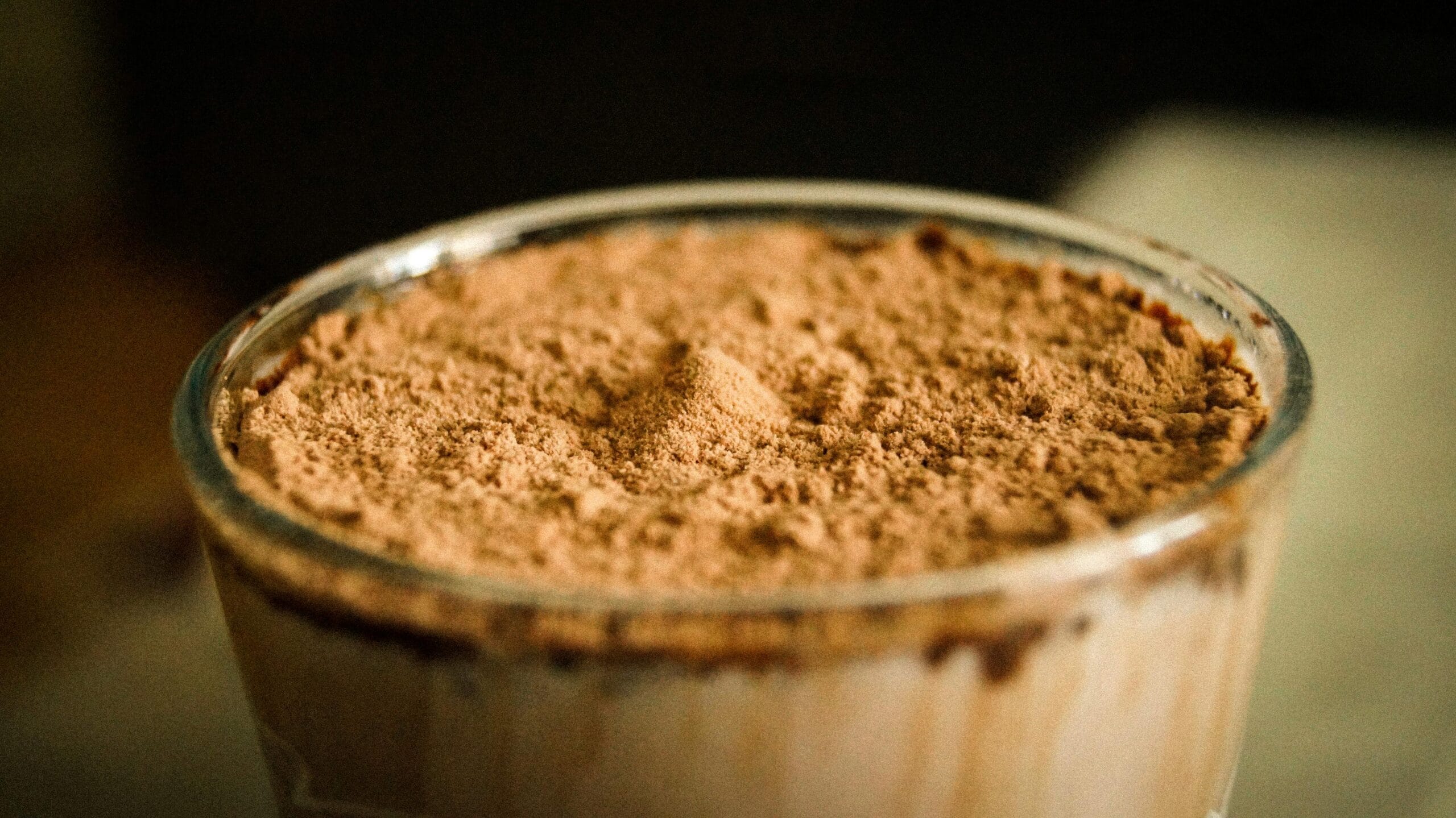
A detailed close-up of a glass with cocoa powder sprinkled over a chocolate drink.
Product 03 / Dairy

Children's Malted Health Drink (Bournvita / Horlicks Style)

"Brain Development · 23 Vital Nutrients · Bone Strength · Height Growth"
NOVA 4 ~49 g Sugar / 100 g Powder Synthetic Vitamins Only 8+ Additives

WHAT THE LABEL IMPLIES

These products are deeply embedded in Indian parenting culture. Decades of advertising have linked them with height, intelligence, and school performance. Mothers buy them with genuine faith that two spoons a day give their child a measurable nutritional advantage. The "23 vital nutrients" claim makes them sound like precision nutrition.

What's actually inside

The base is sugar + malt extract + cocoa powder — that is the bulk of the product by weight. Per ICMR-NIN, children aged 4–8 need under 24 g of free sugar per day as an upper limit. Two heaped tablespoons of these powders deliver approximately 15 g — over half that limit in a single drink, before breakfast. The "23 nutrients" are synthetic isolates sprayed onto a sugar-malt base. In 2023, NCPCR directed FSSAI to investigate these products after public health concerns were raised about their sugar content.

Fortification with synthetic vitamins does not neutralise a sugar-heavy base. Adding vitamin D to a product that is essentially sweetened malt does not make it a health supplement. The nutrients in these powders are added to compensate for an otherwise nutritionally poor formulation.
Plain full-fat milk + a small piece of jaggery + a pinch of cardamom. Provides calcium, protein, B12, and a natural mineral profile — no synthetic vitamins needed. Cost: a fraction of branded powder.
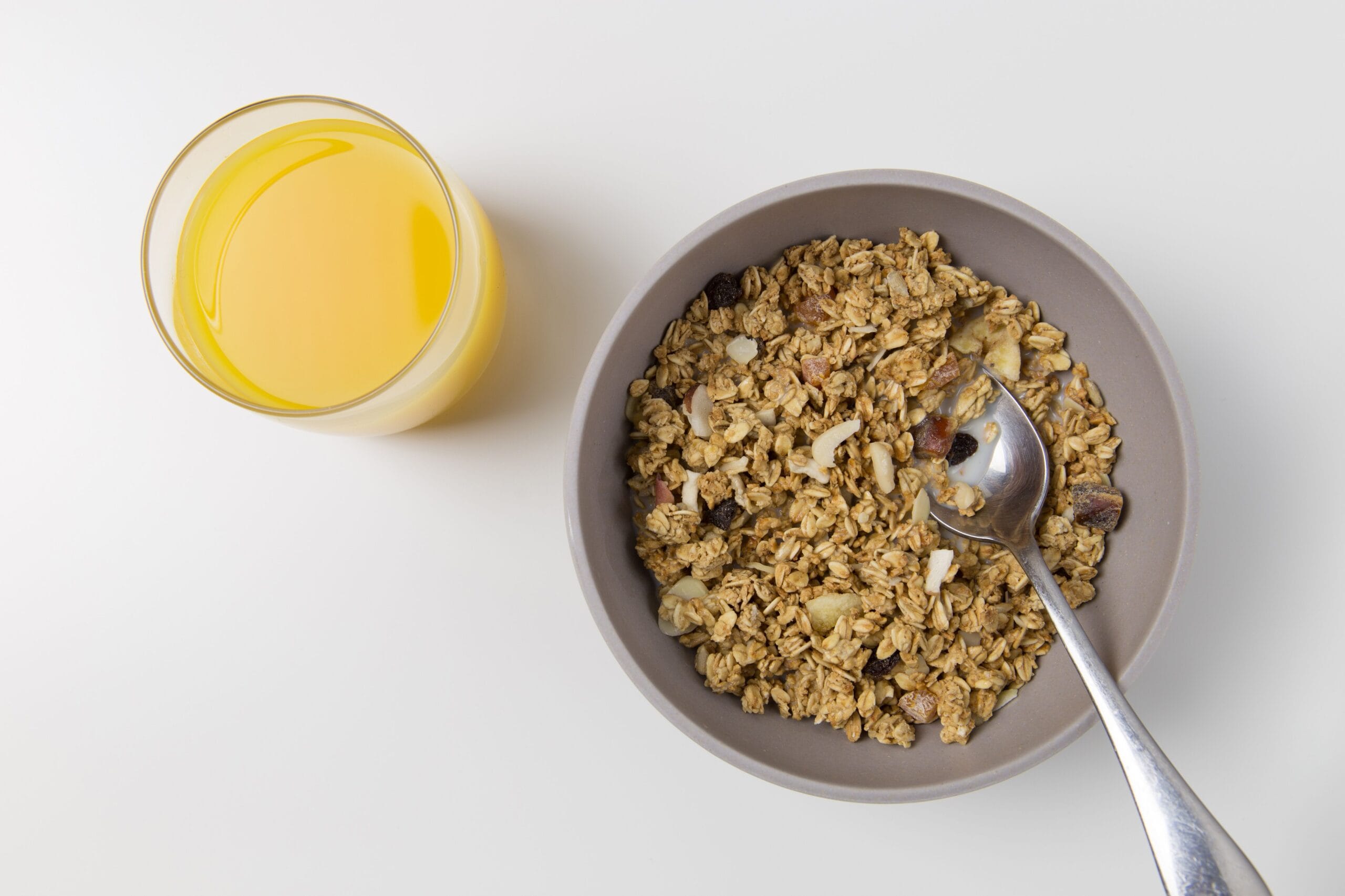
A top view of granola in a bowl with a spoon and a glass of orange juice on a white background.
Product 04 / Breakfast

Honey & Nut Granola

"Whole Grain · Heart Healthy Oats · Natural Honey · High Energy"
NOVA 4 20–30 g Sugar / 100 g 430–480 kcal / 100 g Palm Oil + Glucose Syrup

WHAT THE LABEL IMPLIES

Granola looks artisanal. The combination of golden oats, scattered almonds, and honey imagery evokes a clean, wholesome breakfast. "Whole grain" and "heart healthy" borrow from legitimate oat nutrition science. Urban Indian consumers have widely adopted granola as a superior alternative to parathas or white bread toast.


What's actually inside

Commercial granola contains 20–30 g of sugar per 100 g — from honey, brown sugar, and glucose syrup combined. At 450–480 kcal per 100 g, it is one of the most calorie-dense breakfast options available. The "natural honey" is typically a small fraction of the total sweetener. People also severely underestimate portions — a declared serving is 40 g, but most people pour 80–100 g.

Doubling the serving (which most people do instinctively) means 40–60 g of sugar before you've added milk. Plain rolled oats made into porridge with a drizzle of real honey and fresh fruit has approximately 40% fewer calories at an equivalent bowl size, with more fibre and no industrial sweeteners.
Plain oats + 1 tsp real honey + handful of raw nuts + fresh seasonal fruit. This is genuinely what granola's health story is based on — the whole food, not the packaged version.
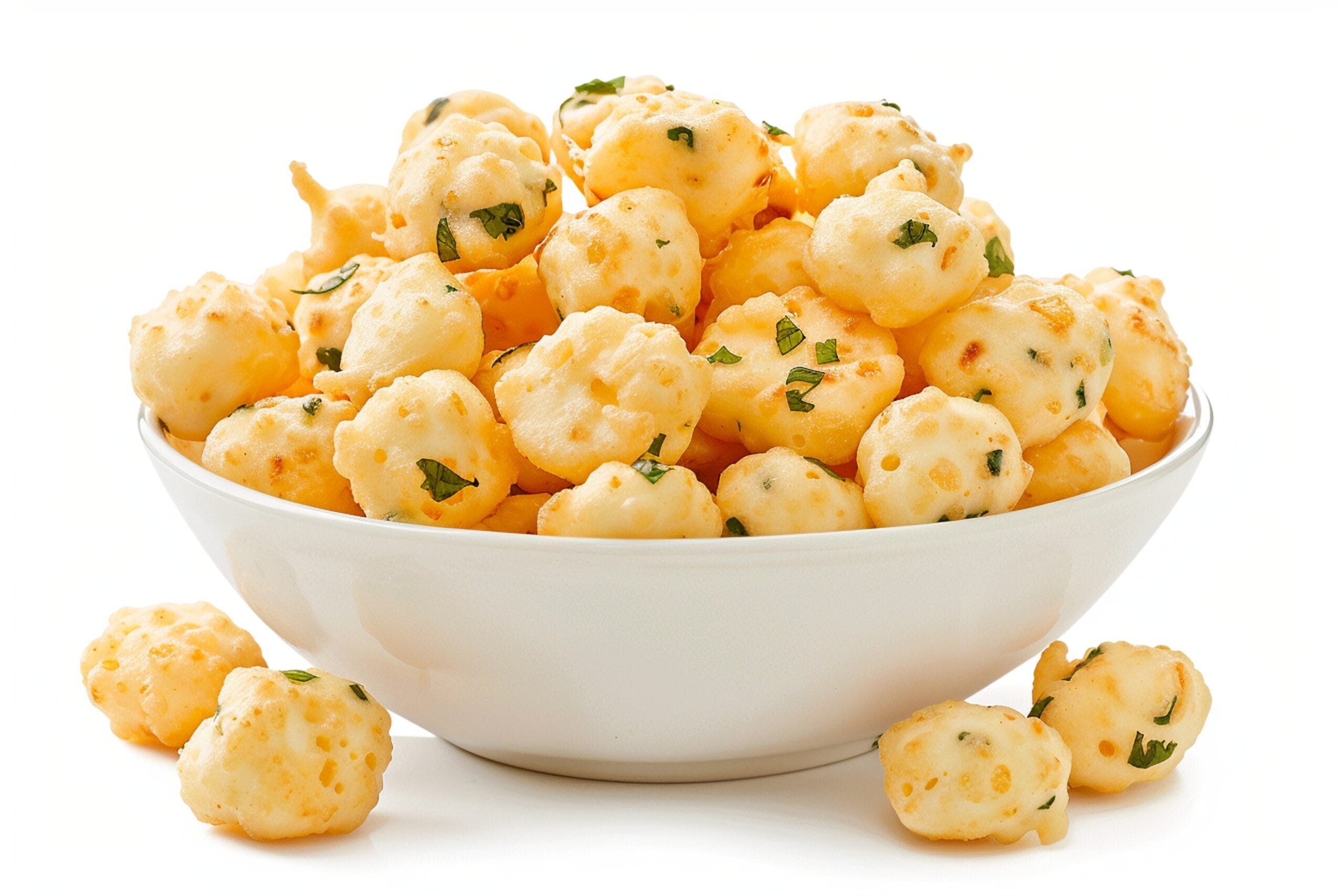
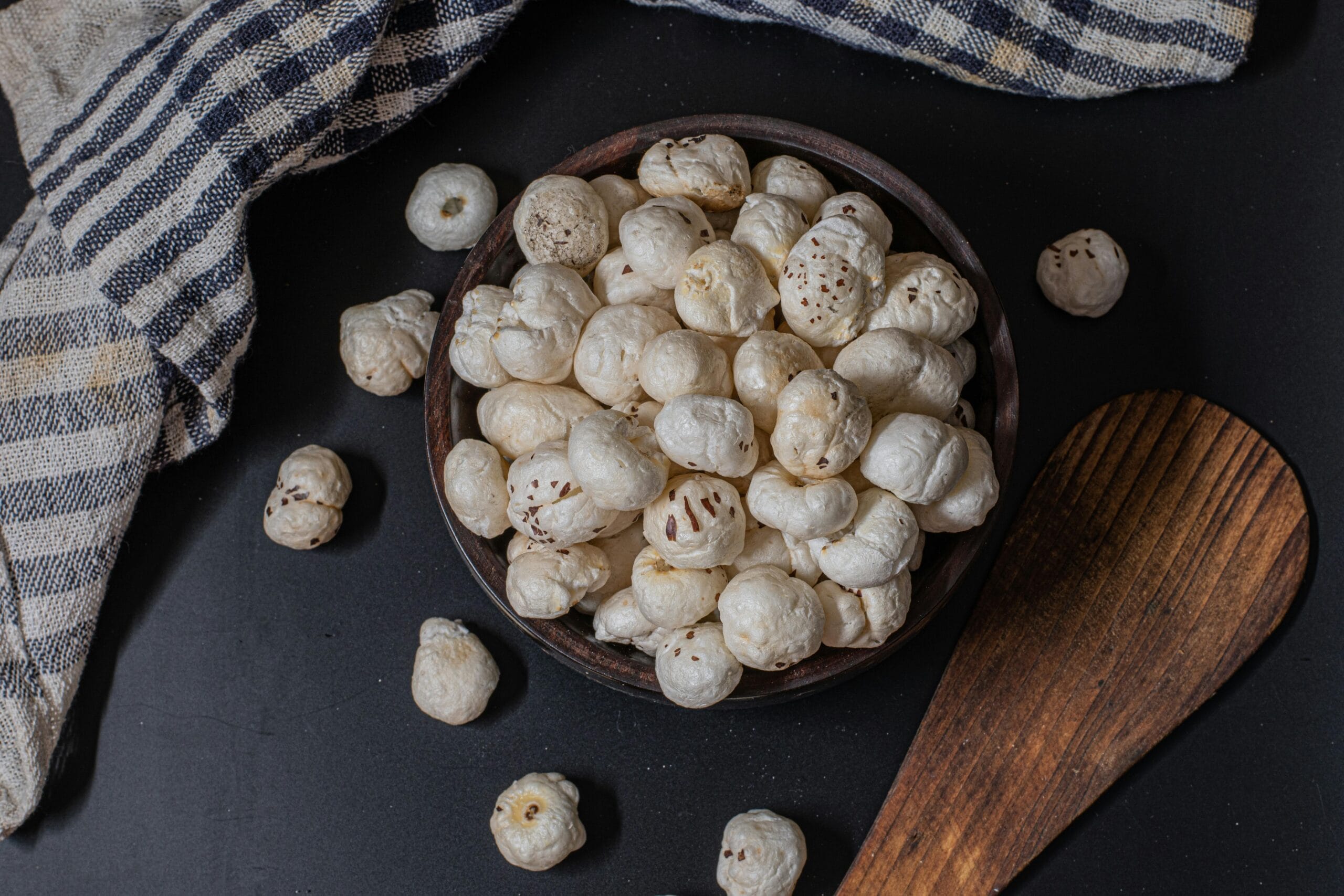
flavoured makhana
Product 05 / Traditional Snack

Flavoured Makhana (Fox Nut) Snacks

"Ayurvedic Superfood · High Protein · Low Calorie · Ancient Grain"
NOVA 3–4 450–700 mg Sodium / 100 g Artificial Cheese / Spice Flavour Palm Oil Coating

WHAT THE LABEL IMPLIES

Plain makhana is legitimately one of India's best snack foods — low fat, moderate protein, low GI, and deeply rooted in both Ayurvedic tradition and common sense. The makhana snack category has exploded in urban India, and almost every variant claims to deliver those traditional benefits in a convenient flavoured format.

What's actually inside

Plain roasted makhana with rock salt is genuinely NOVA 2 — a legitimate healthy snack. But cheese & herbs, peri-peri, or caramel-flavoured variants add a refined oil coating (palm), 450–700 mg of sodium per 100 g, maltodextrin binders, and artificial flavouring compounds. The base makhana's nutrition is undermined significantly by what's coating it. Caramel variants add glucose syrup and raise the GI considerably.

The health story of makhana belongs entirely to the plain version. Once you coat it in palm oil, artificial cheese flavour, and 600 mg of sodium, you have a salted, flavoured ultra-processed snack that happens to have a superfood's name on the packet.
Buy plain makhana loose. Dry-roast in a pan for 8–10 minutes, toss with a small amount of ghee, rock salt, black pepper, and cumin. This is the real product. NOVA 1–2, no additives.
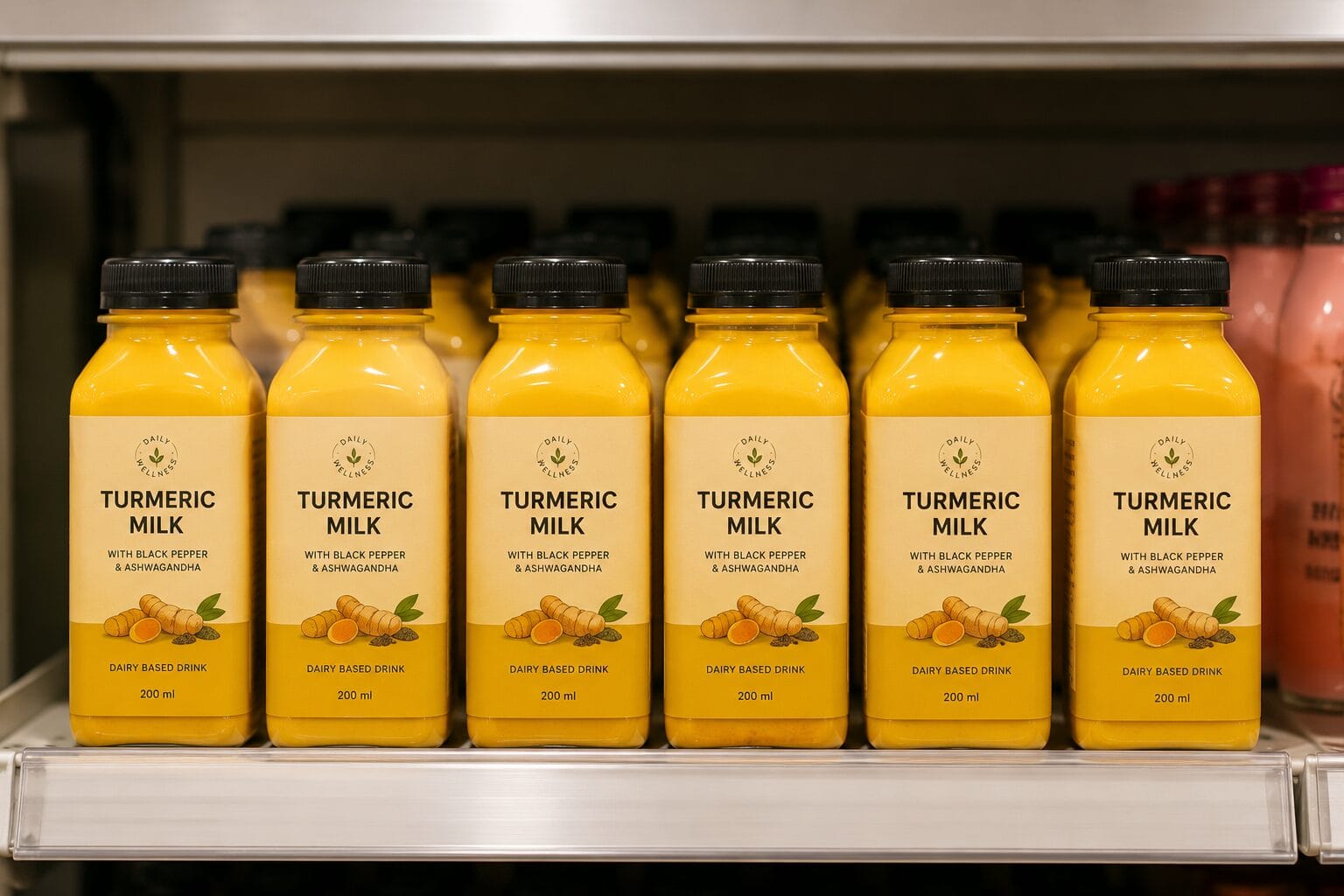
packaged Turmeric milk
Product 06 / Immunity

Packaged Golden Milk / Turmeric Latte Mix

"Curcumin · Anti-Inflammatory · Ayurvedic Immunity · The Golden Drink"
NOVA 4 12–18 g Sugar / Serving 1–3% Turmeric Only Carrageenan + Artificial Vanilla

WHAT THE LABEL IMPLIES

Haldi doodh is one of India's most respected home remedies — legitimately anti-inflammatory when made correctly (curcumin + fat + piperine from black pepper activates absorption). Commercial golden milk mixes position themselves as the Western-validated, convenient version of this tradition, especially after the COVID immunity culture made turmeric mainstream globally.

What's actually inside

Most mixes list sugar as ingredient one or two, with milk solids third. Turmeric is present at 1–3% — a decorative amount. Critically, the fat and piperine co-factors required for curcumin bioavailability are absent. What remains is a sweetened, flavoured milk powder with a yellow colour and an Ayurvedic story. Carrageenan (INS 407) is added as a stabiliser, and artificial vanilla masks the absence of real turmeric flavour depth.

The curcumin in these mixes is present at a dose far below any therapeutic threshold, and without the fat + black pepper combination needed for absorption. You are paying for warm milk with sugar and a yellow tint.
Real haldi doodh: warm full-fat milk + ½ tsp fresh turmeric powder + a pinch of freshly ground black pepper + a small knob of ghee + a pinch of cardamom. Zero additives. Full curcumin bioavailability. Costs ₹8.
A warm, cozy scene showcasing glass teacups with tea infuser on a tray with scattered papers.
Product 07 / Slimming

Detox / Slimming Herbal Tea Blends

"Burns Fat · Detoxifies Liver · Reduces Bloating · Ayurvedic Formula"
NOVA 3–4 Senna Leaf (Laxative) No Regulatory "Detox" Definition Artificial Fruit Flavour

WHAT THE LABEL IMPLIES

The ₹1,000+ crore Indian slimming tea market combines two powerful trust signals: Ayurvedic tradition (triphala, senna, licorice, garcinia) and modern wellness aesthetics (influencer before/afters, minimalist packaging, "Ayurvedic" certifications). "Reduces bloating" and "burns fat" are the primary hooks — and they are convincing because they feel measurable.

What's actually inside

Many slimming teas contain senna leaf — a pharmaceutical-grade stimulant laxative used medically for short-term constipation, not for daily dietary consumption. Regular use causes electrolyte imbalance, potassium depletion (cardiac risk with prolonged use), gut motility dependence, and rebound constipation. The "weight loss" is entirely water loss from laxation — not fat loss. FSSAI does not permit senna at laxative-functional doses as a food ingredient, but enforcement is inconsistent.

The word "detox" has no definition, no regulated threshold, and no approved claim status under any food authority globally — FSSAI, FDA, or EFSA. Your liver and kidneys detoxify continuously. No tea changes this. What these teas can do is cause electrolyte depletion, dependency, and genuine harm with daily use.
Jeera water after meals for genuine digestive comfort. Fennel (saunf) tea for bloating. Tulsi for stress-related gut symptoms. These are evidence-adjacent, traditional, safe, and NOVA 1.
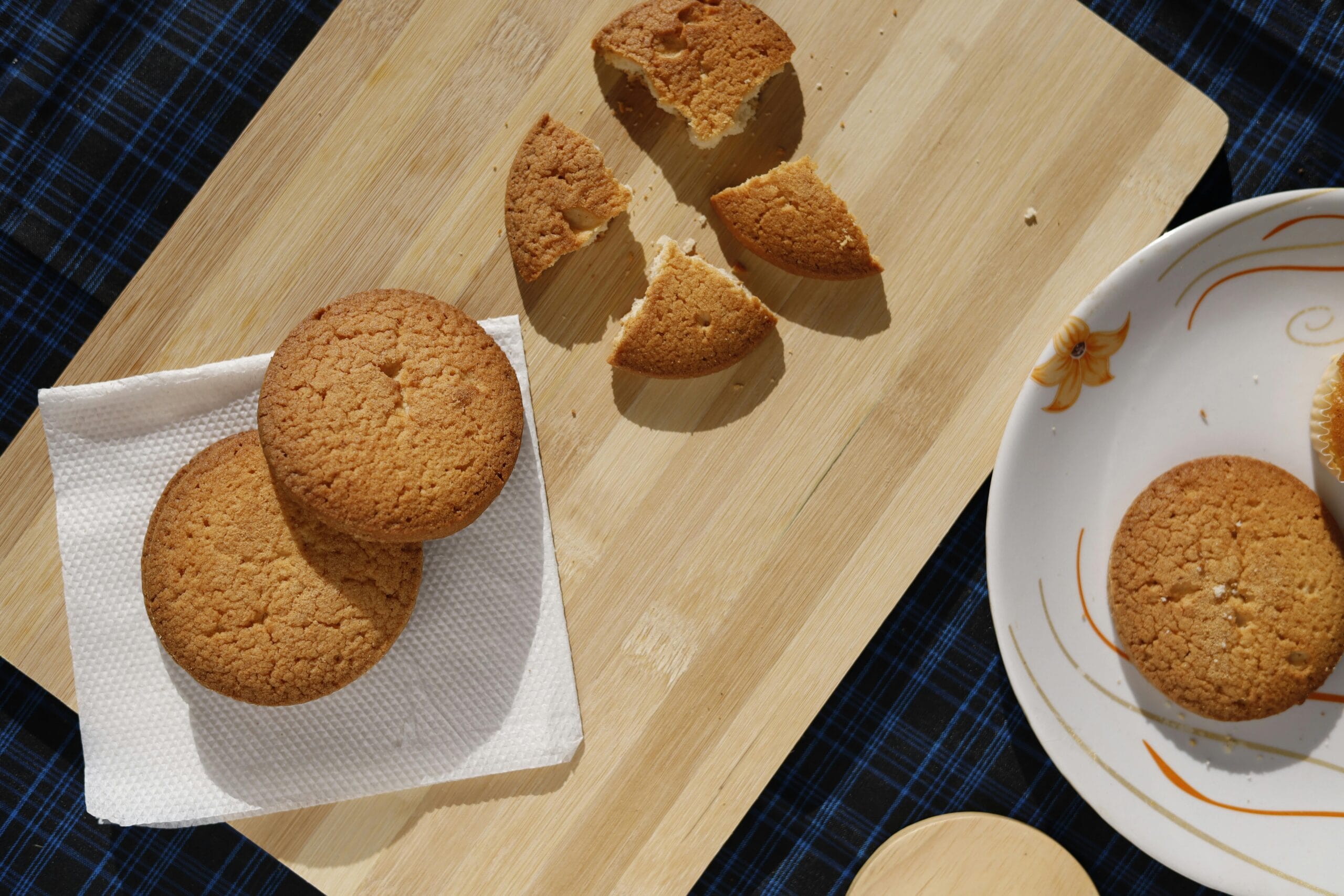
Overhead shot of homemade cookies on wooden board and plate, perfect for dessert enthusiasts.
Product 08 / Children's

DHA + Iron Fortified Children's Biscuits

"DHA for Brain Development · Iron for Energy · Calcium for Bones"
NOVA 4 25–35 g Sugar / 100 g DHA: 10–20 mg vs 100 mg RDA Palm Oil + Maida Base

WHAT THE LABEL IMPLIES

Paediatric nutrition is one of the most emotionally potent marketing contexts in India. DHA has genuine evidence for early brain development. Iron deficiency affects 68% of Indian children under 5 (NFHS-5). Parents buying these biscuits are acting from real concern — and the clinical language on the packaging is designed to look like a medical recommendation.

What's actually inside

The base is maida (refined wheat flour) + sugar (25–35 g per 100 g) + palm oil. The DHA is present as microdrops of algal oil — delivering 10–20 mg per biscuit against the American Academy of Pediatrics' 100 mg/day recommendation. The iron is ferrous sulphate — bioavailability 5–15% — against the haem iron in fish and meat at 25–35%. The sugar load crowds out appetite for genuinely nutrient-dense foods.

You cannot meaningfully deliver DHA or iron inside a biscuit that is primarily maida and sugar. The nutrient content is a justification for the packaging claim, not the reason to eat the product. A child who eats these instead of eggs and dal receives dramatically less DHA and iron — with far more sugar.
For DHA: two small servings of rohu or katla fish per week. For iron: ragi with a squeeze of lemon (vitamin C dramatically improves non-haem iron absorption). For calcium: plain whole-milk dahi. Traditional Indian home cooking covers all of this.
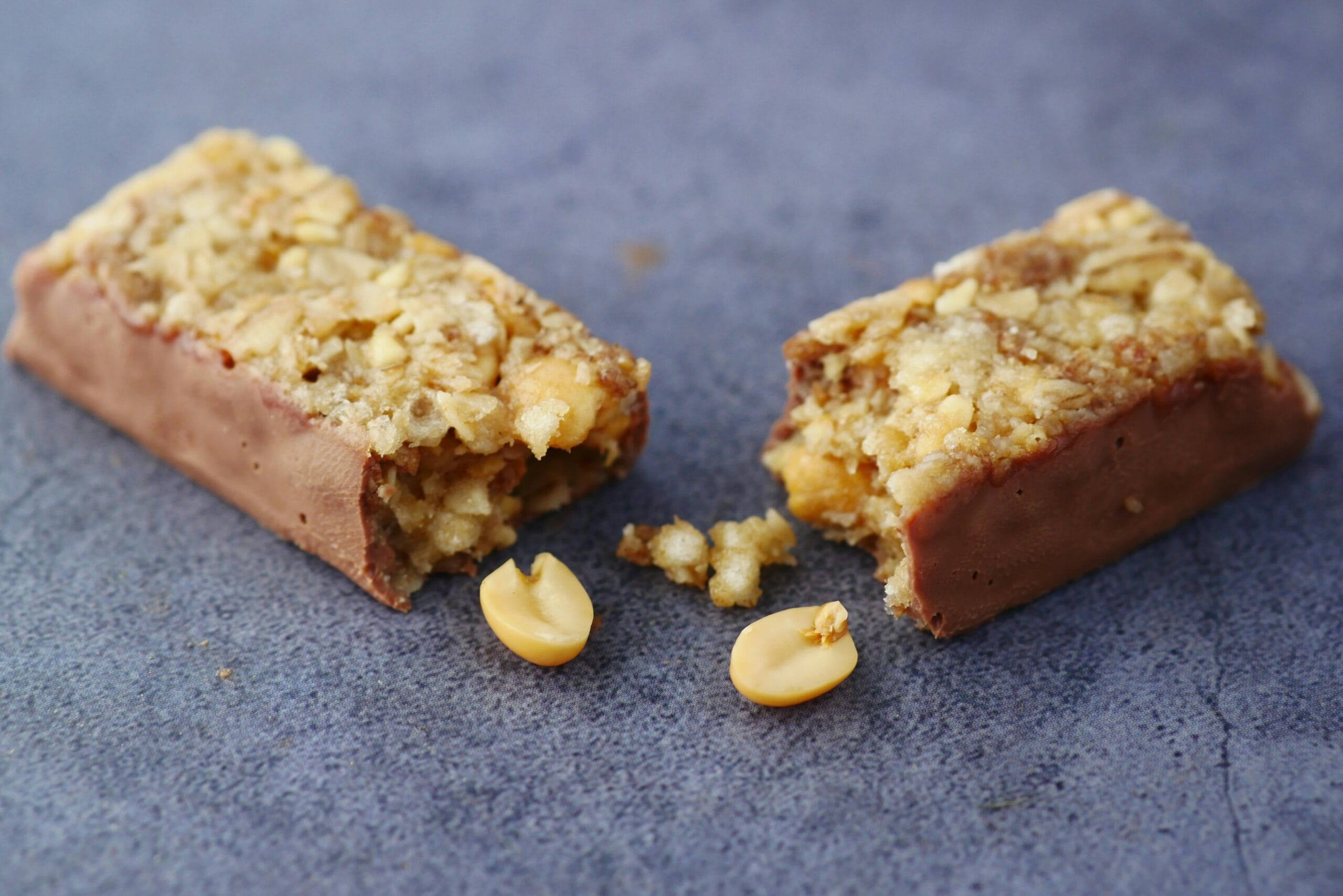
Close-up of a broken chocolate and nut energy bar on a gray surface.
Product 09 / Protein

Chocolate Protein Bars

"20 g Protein · Low Sugar · Post-Workout Recovery · Clean Energy"
NOVA 4 14+ Ingredients Maltitol (GI Side Effects) Palm Kernel Oil + Carrageenan

WHAT THE LABEL IMPLIES

Protein bars have become a ₹2,000+ crore Indian market. Gym culture and the belief that "more protein = healthier" has made them a daily staple for millions of urban Indians who see them as a clean, single-ingredient-adjacent food. The bar looks like it could be wholesome — the label sounds like a supplement.

What's actually inside

A typical ingredient list: soy protein isolate, milk protein concentrate, glucose syrup, maltitol, palm kernel oil, glycerin, cocoa butter substitute, artificial chocolate flavour, sodium caseinate, carrageenan, soy lecithin, acesulfame-K, sucralose. That is 14+ ingredients — several with no whole-food equivalent. Maltitol causes osmotic diarrhoea above 40 g and still raises blood glucose (GI of 35–52) in the very people told it is "low sugar."

Most commercial protein bars are candy bars with protein powder mixed in. The "20 g protein" claim is real, but so is the industrial additive load. Two boiled eggs + 30 g of raw almonds delivers 16 g of highly bioavailable protein with choline, vitamin E, and healthy fats — for approximately ₹20–25 and zero additives.
Post-workout: 2 boiled eggs + a handful of almonds, or a bowl of curd with a banana. These are the whole-food sources that protein bar research is based on — the bars are a processed approximation at 4–8× the price.

Need more ideas? Here are pocket-friendly high-protein foods in India that beat any bar.

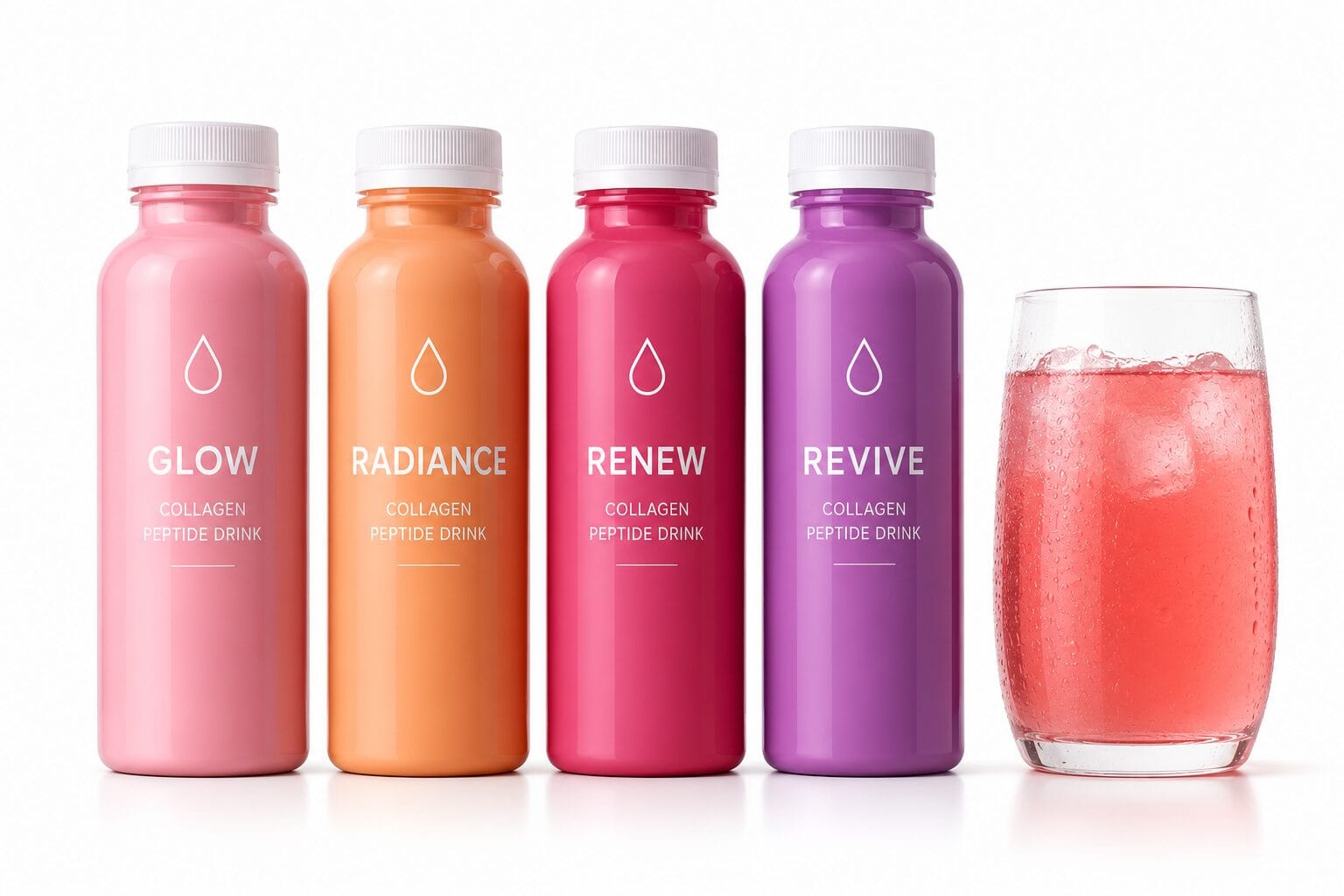
Collagen Peptide "Beauty from Within" Drinks
Product 10 / Beverages

Collagen Peptide "Beauty from Within" Drinks

"Skin Elasticity · Joint Health · Marine Collagen · Anti-Ageing"
NOVA 4 Digested to Generic Amino Acids ₹1,200–5,000 / Month Sucralose + Carrageenan

WHAT THE LABEL IMPLIES

Collagen drinks have become one of the fastest-growing wellness categories in urban India. "Marine collagen" sounds clinically precise. The "skin elasticity" and "anti-ageing" claims create a direct causal story: drink this, your skin improves. The product sits at the intersection of beauty and nutrition — a premium space with deep emotional resonance.

What's actually inside

When you consume collagen peptides orally, digestive enzymes break them into individual amino acids — primarily glycine, proline, and hydroxyproline. These do not reassemble as skin collagen. Your body uses them as general amino acid building blocks, identical in effect to eating any complete protein. The glycine and proline content in a collagen drink serving is equivalent to eating 30 g of dal or a small piece of chicken. The ₹5,000/month product delivers the same amino acids as your daily dal.

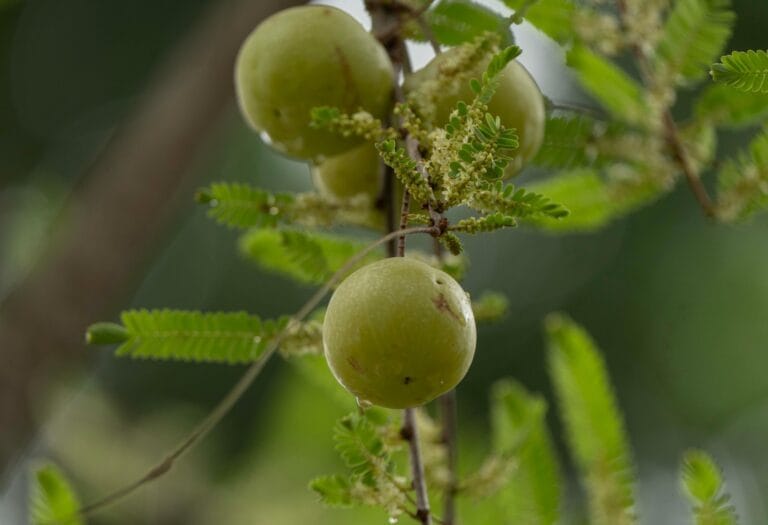
For your skin to synthesise collagen, it needs vitamin C (co-factor), adequate total protein, zinc, and antioxidant protection from UV. None of these require a collagen supplement. They require whole foods. Two fresh amla daily provide more vitamin C for collagen synthesis than any supplement — at ₹5 per day.
2 fresh amla daily (vitamin C for collagen synthesis) + eggs (protein + biotin) + seasonal vegetable (antioxidants) + adequate dal (complete protein over the day). This is the evidence-based "beauty from within" formula — and it costs under ₹100/day total.

🔬 Why we use NOVA classification

NOVA groups foods by degree of industrial processing — not nutrient content alone. NOVA 4 (ultra-processed) means the product contains additives with no kitchen equivalent: emulsifiers, flavour enhancers, hydrolysed proteins, artificial sweeteners. A product can be NOVA 4 while being low-fat, sugar-free, and fortified. The processing context, not the nutrient panel, is what NOVA measures — and it is what epidemiological research consistently links to poor health outcomes at the population level.

New to nutrition labels? Start with understanding macro and micronutrients.

11 more Indian packaged foods with misleading health claims

Same pattern, less space. Read the ingredients on all of these.

Ragi biscuits contain ragi at 20–30% of the formulation — the rest is sugar and refined oil.
Instant masala oats sachets are a legitimate oat base destroyed by a tastemaker sachet with 700–900 mg sodium and MSG equivalents.
Flavoured Greek yoghurt halves the protein of plain curd and adds 12–18 g of sugar through a "fruit preparation" that contains almost no real fruit.
Branded flavoured chaas (tetrapak) is UHT-processed — all live cultures are dead, making the probiotic claim false.
RTD green tea drinks contain 8–16 g sugar and less than a fifth of the EGCG in a freshly brewed cup.
Honey & nut trail mixes from major brands combine oil-roasted salted nuts, sugar-coated dried fruit, and chocolate drops — "no added sugar" applies only to one component.
Instant khichdi sachets carry 700–950 mg sodium and hydrogenated fat, borrowing the health reputation of a food that takes 20 minutes to make properly.
Quinoa puffs and chips raise the GI of quinoa from ~53 to 75–85 through puffing, eliminating the grain's primary nutritional advantage.
Low-fat mayonnaise replaces oil with modified starch, xanthan gum, and 4× more sugar than full-fat mayo — the "light" version is more processed and more sugar.
Sugar-free mithai uses maltitol (GI 35–52, still raises blood glucose) and causes osmotic diarrhea above 40 g — it is not safe for diabetics in the way the label implies.
Vitamin-fortified "hydration" drinks deliver megadose synthetic B-vitamins your kidneys will simply excrete, in water acidified to pH 3.0 with artificial color.

How to read food labels in India

FSSAI's Labelling and Display Regulations (2020) require front-of-pack labels for High Fat, Sugar, and Sodium (HFSS) products — but enforcement is uneven. Terms like "diabetic friendly," "Ayurvedic," and "natural" carry no regulated nutritional thresholds in India. A product can legally print "multigrain," "high protein," and "ancient wisdom" on its front while its ingredient list tells a completely different story. Flip the packet. Read the back.

5-Second Label Check

Before you put any "healthy" product in your basket, run through these.
01
What is ingredient #1? If it's maida, sugar, maltodextrin, or refined palm oil — the product is primarily that thing, regardless of what the front says.
02
Count the additives. More than 5 ingredients with no kitchen equivalent (E-numbers, hydrolysed proteins, modified starches) means NOVA 4.
03
Check sodium per serving. Above 500 mg per serving is high. Many "healthy" Indian snacks deliver 600-900 mg — 40-60% of your daily allowance in one go.
04
Double the declared serving. The serving size on a label is almost always half what a real person actually eats. All nutrient figures are calculated on that halved amount.
05
Ask: could you make this at home? If the process requires industrial equipment, the product has been engineered in a factory — not prepared in a kitchen. That gap is what NOVA measures.

Unsure what ragi or oats actually contain? See our cereals and millets nutrition facts.

The Simplest Rule

Every product on this list follows the same formula: find a legitimate Indian whole food, put it in the name, then build a heavily processed product around a decorative amount of that ingredient. The marketing works because the ingredient at the centre of the story is real. Ragi genuinely is calcium-rich. Amla genuinely has the highest vitamin C of any common food. Haldi genuinely has anti-inflammatory properties.

The deception is not in the ingredient. It is in the dose, the matrix, and the processing that surrounds it. A ragi biscuit is not ragi. A golden milk mix is not haldi doodh. A collagen drink is not protein. The name on the packet and the food inside it are two different things.

India's traditional home cooking — dal, sabzi, whole grains, curd, fresh seasonal fruit — is already the dietary pattern that global nutrition science consistently validates as optimal. You do not need to buy it back from a factory, repackaged with a leaf on the label, at four times the price.

Frequently asked questions (FAQs)

Q If I eat these products occasionally, should I be worried?

No — and this is important to say clearly. The health risk from ultra-processed food is a pattern risk, not a single-event risk. A biscuit once a week does not cause disease. The problem is when ultra-processed food becomes the foundation of daily eating — which is increasingly the case in urban India, where UPF consumption has grown 13.7% per year since 2010 (IFPRI, 2023).

A useful working rule: if fewer than 20% of your daily calories come from NOVA 4 foods, and the majority of your meals are made from whole ingredients at home, occasional packaged foods carry no meaningful risk. The products on this list become a problem when they replace — rather than occasionally supplement — whole-food meals.

It depends on the version. Traditional homemade or small-batch versions of achaar, papad, and namkeen are typically NOVA 2–3: limited ingredients, traditional preservation (salt, oil, sun, fermentation), and no industrial additives. These are not the concern.

The concern is the factory-made, long-shelf-life versions of the same foods — which use sodium benzoate, artificial mango flavour, modified starch, and synthetic colours to achieve 12–18 month shelf life at scale. A home-made mango pickle is fundamentally different from a factory pickle with E211 and artificial mango fragrance. The ingredient list tells you which version you are buying. If it reads like a chemistry list, it is NOVA 4 regardless of the traditional name on the front.

Organic refers to how the source ingredient was grown — without synthetic pesticides or fertilisers. It says nothing about the degree of processing. An organic corn chip with 15 additives is still NOVA 4. For whole foods (an organic apple vs. a conventional apple), organic reduces pesticide exposure and is worth considering. For packaged products, the organic badge is often used as a health halo for a heavily processed product — always check the ingredient list, not just the certification logo.

"No preservatives" means regulated preservatives (E211, E202) are absent — but the product may contain citric acid, vinegar, salt, or modified starch as functional preservation agents, which are not classified as preservatives under FSSAI labelling rules. "Natural" has no minimum standard in India — it can be applied to any product containing a single natural-origin ingredient, regardless of what else is in the formulation. Treat both as marketing language until the ingredient list confirms otherwise.

4 Products Worth Putting in Your Cart

These are genuinely minimal-ingredient alternatives — available across India — that replace the processed versions covered in this article. No sponsorship. No paid placement. Just the actual whole-food or clean-label products.
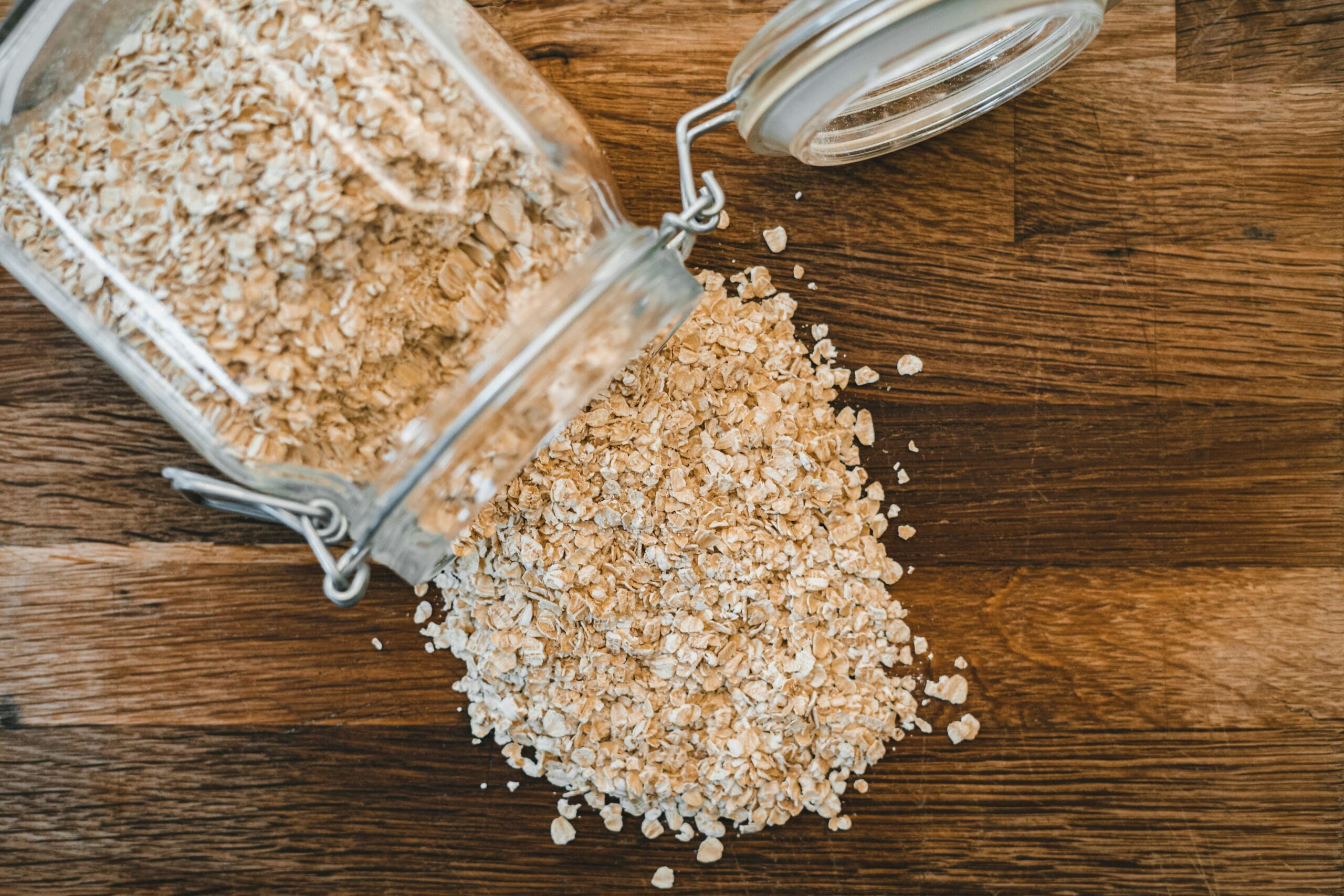
NOVA 1–2
Close-up of rolled oats spilling from a jar on a wooden surface, showcasing healthy food.

Plain Rolled Oats (Single Ingredient)
Replaces: multigrain biscuits, granola, instant oat sachets. Look for packs with one ingredient listed: "rolled oats." Avoid flavoured variants entirely — the plain version is what the heart-health research is actually based on.
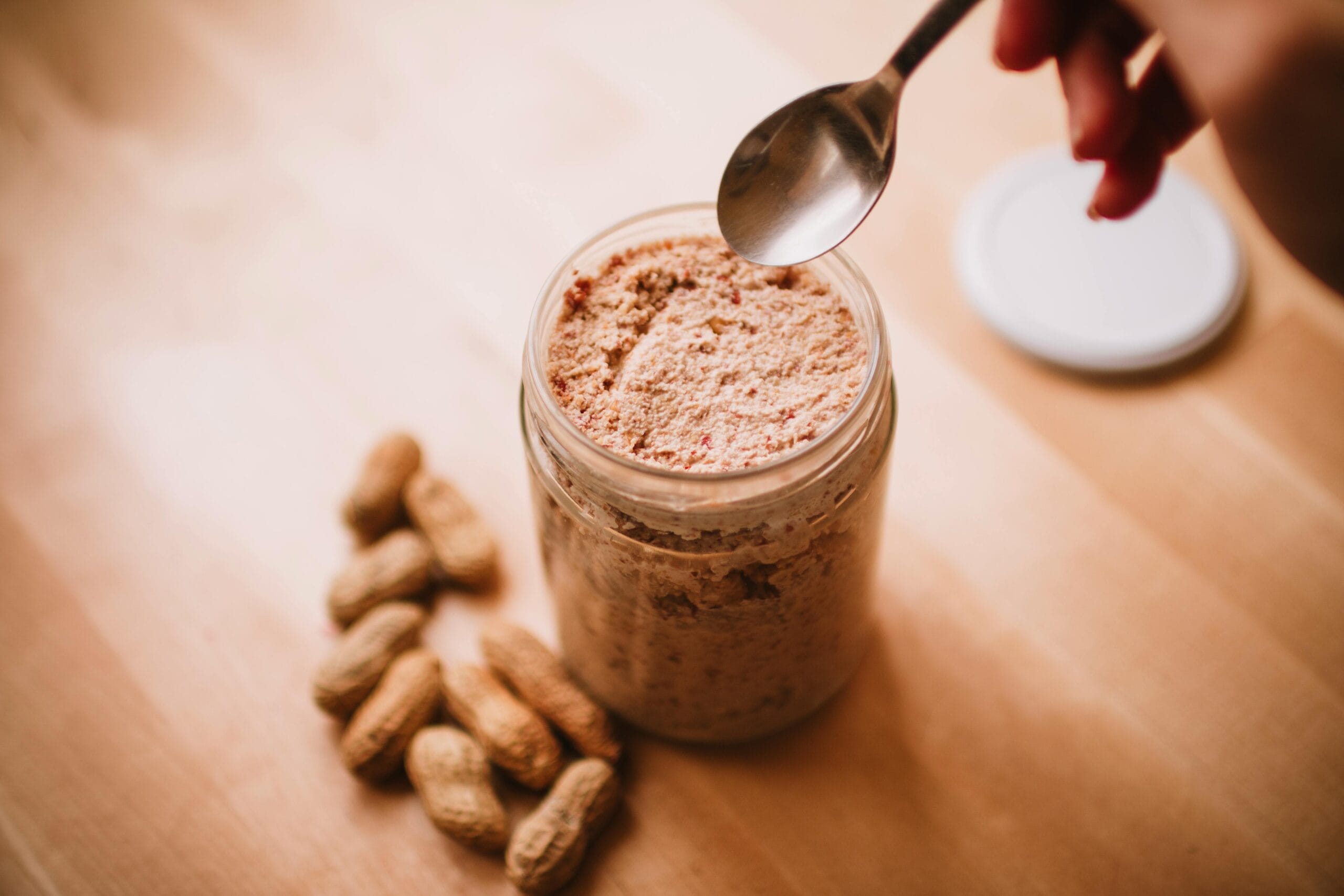
NOVA 1–2
A glass jar of homemade peanut butter on a wooden table with peanuts and a spoon.

Natural Peanut Butter (Peanuts Only)

Replaces: flavoured "no sugar added" PB with hydrogenated oils and maltitol. Ingredient list should read: "roasted peanuts" — nothing else. Oil separation at the top is a sign you have the real thing. Stir before use.
NOVA 1
A rustic bowl filled with puffed lotus seeds on a black background, perfect for snacks.

Plain Phool Makhana (Unflavored, Loose)
Replaces: flavoured makhana snacks with palm oil coatings and 600 mg sodium. Buy plain makhana loose from a dry-fruit shop or kirana — one ingredient. Roast at home in 10 minutes with ghee and rock salt. The health benefits belong to this version, not the flavored packet.
NOVA 1
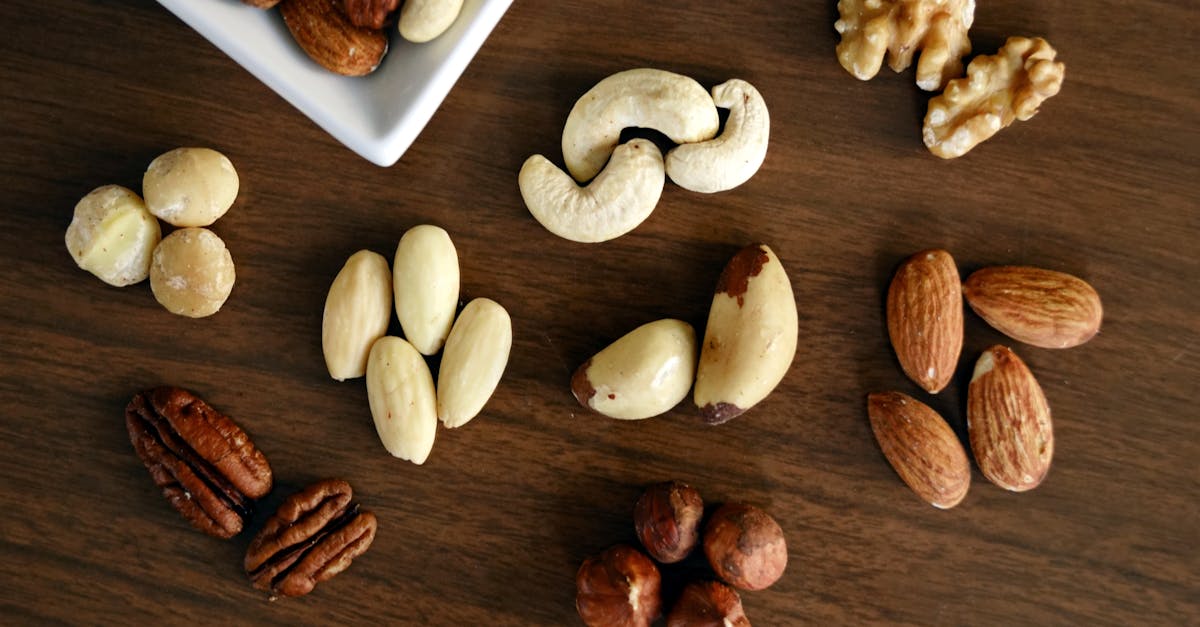
Nuts and Seeds Nutrition Facts and RDA Table

Mixed Raw Nuts — Almonds, Walnuts & Cashews (Unsalted)

Replaces: protein bars, branded trail mixes with sugar-coated fruit, and flavoured roasted nut snacks. Buy raw, unsalted, unroasted — no oil, no coating, no additives. Almonds for vitamin E + calcium, walnuts for ALA omega-3, cashews for zinc + magnesium. A 30 g handful delivers 5–7 g protein and genuine satiety.

Sources & References

  • Monteiro CA, et al. (2019). Ultra-processed foods: what they are and how to identify them. Public Health Nutrition, 22(5), 936–941.
  • Lane MM, et al. (2023). Ultra-processed food exposure and adverse health outcomes. The BMJ, 384:e077310.
  • ICMR-NIN. (2017). Indian Food Composition Tables (IFCT 2017). National Institute of Nutrition, Hyderabad.
  • ICMR-NIN. (2020). Dietary Guidelines for Indians — A Manual. 2nd edition.
  • FSSAI. (2020). Food Safety and Standards (Labelling and Display) Regulations. Ministry of Health & Family Welfare, India.
  • WHO. (2015). Guideline: Sugars intake for adults and children. World Health Organization, Geneva.
  • NFHS-5. (2021). National Family Health Survey — India Fact Sheet. Ministry of Health & Family Welfare.
  • American Academy of Pediatrics. (2021). DHA for infant brain development. Pediatrics, 147(1).
  • NCPCR. (2023). Report on Misleading Health Claims in Food Products Marketed to Children. India.
  • Cummings JH, Macfarlane GT. (2002). Gastrointestinal effects of prebiotics. British Journal of Nutrition, 87(S2), S145–S151.

Leave a Comment

Your email address will not be published. Required fields are marked *

Scroll to Top