Millet Is a Nutritional Powerhouse 
So Why Are Farmers Growing Less of It?

The grain your grandparents ate every day is quietly vanishing from Indian farms. Here’s the nutrition science, the economics, and the policy failure behind a paradox that’s costing us our health.

Millet Stats
37M
hectares under millet in India (1965–66)
12.5M
hectares remaining by 2020–21 — a 66% collapse
60%
global decline in millet cultivation area since 1961
6 SDGs
that millet directly contributes to, per UN estimates

Walk into any urban Indian supermarket today and you’ll find ragi cookies, jowar flour, bajra health drinks — each labelled a superfood and priced accordingly. Millet nutrition is having a cultural moment: dietitians recommend it, researchers cite its millet health benefits in journals, and the Indian government declared 2023 the International Year of Millets. Yet across the fields where millet cultivation once thrived — Rajasthan, Maharashtra, Karnataka, Andhra Pradesh — farmland under these crops has been shrinking for six decades. In a country battling iron deficiency anaemia and a diabetes epidemic, that’s not just an agricultural story. It’s a public health paradox.

WHAT ARE MILLETS?

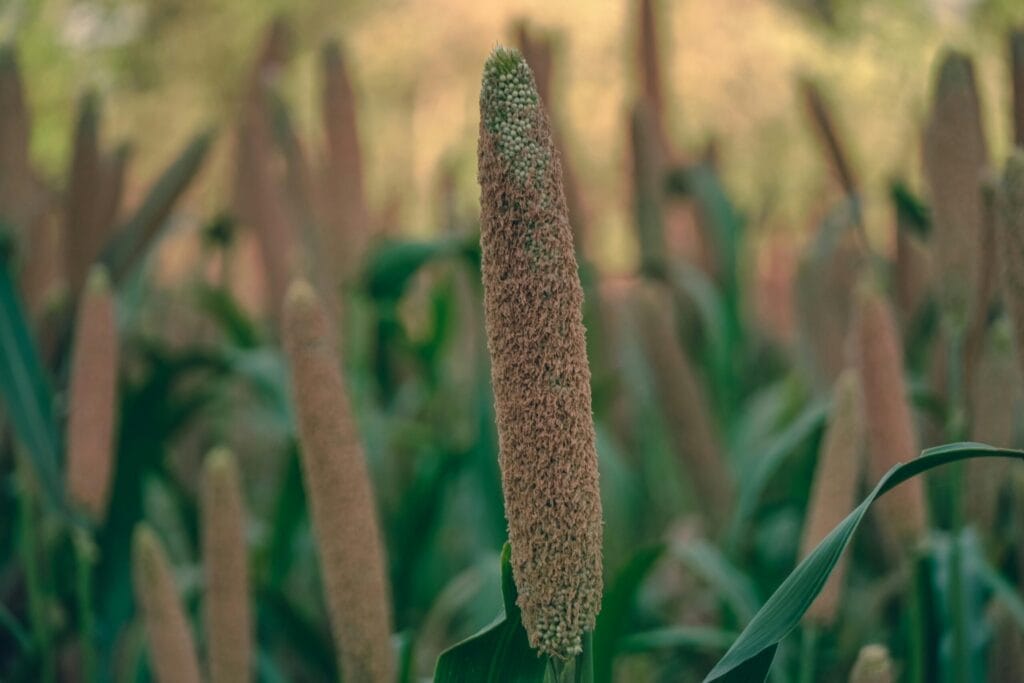
Millets are a group of small-seeded cereal grasses cultivated across Asia and Africa. The major types grown in India include pearl millet (bajra), finger millet (ragi/nachni), sorghum (jowar), foxtail millet (kangni), and kodo millet. They have been cultivated on the subcontinent for over 5,000 years and were the primary caloric staple of millions before the Green Revolution.

What Makes Millet Genuinely Special — The Nutritional Case

The renewed excitement around millets isn’t marketing hype. The nutritional profile of millets holds up remarkably well under scientific scrutiny — especially when compared to the refined grains (white rice and maida) that have displaced them in the Indian diet.

Micronutrient density that rice and wheat cannot match

Millets are among the richest plant-based sources of several micronutrients that Indian diets are chronically deficient in. Finger millet (ragi) contains roughly 344 mg of calcium per 100g — nearly ten times that of polished rice — making it critical for bone health in a population where dairy intake is inconsistent. Pearl millet delivers substantial iron, zinc, and B-vitamins, nutrients whose absence drives India’s staggering rates of anaemia.

Grain (per 100g, raw)Calcium (mg)Iron (mg)Dietary Fibre (g)Protein (g)Glycaemic Index
Finger millet (Ragi)3443.911.57.3~54 (low)
Pearl millet (Bajra)428.01.211.6~55 (low)
Sorghum (Jowar)254.16.010.4~62 (medium)
Polished white rice100.70.26.8~72 (high)
Refined wheat flour (Maida)230.92.710.3~71 (high)

Low glycaemic index — a vital advantage in the diabetes epidemic

India has over 100 million diagnosed diabetics — the highest count of any country. Millets, with their lower glycaemic index compared to rice and maida, produce a slower, more sustained rise in blood sugar after a meal. The high fibre content, particularly soluble fibre in some varieties, further blunts the insulin response. For a country fighting Type 2 diabetes at a population scale, re-introducing millets to the daily diet is a genuine intervention — not a fad.

Antioxidants, polyphenols, and phytochemicals

Beyond the classic macro and micronutrient story, millets contain a range of polyphenols — tannins, phytic acid, phenolic acids — that function as antioxidants and have been associated with reduced risks of cardiovascular disease and certain cancers. Finger millet, in particular, is notable for its exceptionally high polyphenol content among cereals. These compounds are largely absent in refined white rice.

Gut health and prebiotic potential

The insoluble fibre in millets acts as a prebiotic substrate, feeding beneficial gut bacteria. A healthy gut microbiome is increasingly linked to immunity, mental health, and metabolic regulation. Whole-grain millets, in their traditionally prepared forms — porridges, fermented batters like the classic ragi ambli of Chhattisgarh and Odisha — deliver fibre that processed cereal products simply cannot replicate.

Millet varieties ragi bajra jowar in bowls with a declining farm field in background representing millet nutrition benefits and cultivation crisis in India

Then Why Is Millet Cultivation Collapsing? The Paradox Explained

If millets are so nutritionally superior, climate-resilient, and suited to India’s semi-arid growing conditions, their disappearance from farms seems inexplicable. But the reasons are well-documented — and they are almost entirely economic and political, not agronomic.

The Green Revolution’s unintended exclusion

The story begins in the 1960s. India faced real and urgent food insecurity. The government’s response — the Green Revolution — channelled massive institutional investment into high-yielding varieties of wheat and rice. Irrigation infrastructure, fertiliser subsidies, procurement at guaranteed Minimum Support Prices (MSPs), storage capacity through the Food Corporation of India: all of this was built for wheat and paddy. Millets received almost none of it.

Millet Timeline
65
1965–66
India cultivates millets on 37 million hectares — among the world's largest millet farming nations.
70s
1970s – 1980s
Green Revolution policies entrench wheat and rice procurement. PDS distributes subsidised rice and wheat, creating structural dietary preference for these grains and indirectly suppressing millet demand.
90s
1990s – 2000s
Liberalisation accelerates urbanisation. Urban populations shift to convenience foods based on wheat and rice. Millet processing remains manual and time-intensive — no mechanised supply chain exists.
21
2020–21
Millet cultivation falls to 12.5 million hectares — a 66% decline from its 1960s peak. MSPs for millets lag behind production costs.
23
2023
UN declares the International Year of Millets, championed by India. Government launches the Shree Anna initiative. Awareness grows — but structural farm economics remain largely unchanged.

The MSP gap: farmers can’t profit from millets

For a farmer choosing what to sow, the decision is rational and economic. Wheat and rice come with guaranteed procurement at MSPs that have grown over time, and with subsidised inputs — fertilisers, water — calibrated for their needs. Millet MSPs, by contrast, have grown at rates consistently below the increase in cost of production. The result: growing millets is often loss-making or marginally profitable compared to switching to wheat, cotton, or other cash crops.

THE PROFITABILITY CRISIS

Research spanning 35 years of farm-level data from India confirms that millet cultivation has been declining primarily because it is economically unviable for smallholder farmers. MSPs grew slower than production costs. There is no equivalent of the paddy procurement network for millets in most states. A farmer is not irrational for abandoning millets — the system made it rational.

Processing is a bottleneck — and it falls disproportionately on women

Unlike rice (which can be processed in automated mills) or wheat flour (industrial roller mills), many millets require dehusking that is labour-intensive and still largely manual in rural India. This work has historically fallen to women — adding hours to already demanding domestic and agricultural labour. The lack of investment in millet-specific processing machinery has created a hidden cost that suppresses both farm-level production and household consumption.

The PDS inadvertently taught people not to eat millets

For decades, the Public Distribution System supplied subsidised rice and wheat to hundreds of millions of Indian households. This was an extraordinary achievement in food security. But its unintended consequence was a dietary shift — subsidised rice became the default grain, while millets were associated with poverty and backwardness in the popular imagination. Changing this cultural perception is a slow, generation-long process that policy alone cannot shortcut.

Fragmented markets and no value chain

A farmer growing ragi has very few options beyond selling through a local mandi at whatever price is offered that day. There is no organised procurement, cold chain, or processing infrastructure for millets comparable to what exists for rice, wheat, or even sugar. When urban consumers began wanting millet products in the 2010s, the supply chain simply didn’t exist to reliably and cheaply connect the Chhattisgarh field to the Bengaluru supermarket shelf.

Why This Is a Public Health and Climate Crisis, Not Just an Agricultural One

🩸

Anaemia and iron deficiency

The exit of iron-rich pearl millet from Indian diets directly correlates with persistent anaemia rates — over 57% of women aged 15–49 are anaemic, per NFHS-5.

🌡️

Diabetes and metabolic disease

India’s shift to high-GI refined grains has contributed to the Type 2 diabetes explosion. Millet’s low GI profile was a natural metabolic buffer that we dismantled.

💧

Water security

Millets require as little as 20–30% of the water needed by paddy. India’s water table crisis is, in part, a consequence of shifting irrigation-intensive crops.

🌱

Climate resilience

As a C4 crop, millet uses water and CO₂ more efficiently than wheat or rice. They are naturally drought-tolerant — exactly what increasingly erratic monsoons demand.

🧬

Biodiversity loss

Dozens of traditional millet landraces are at risk of extinction as farmers abandon cultivation. This genetic erosion is irreversible and undermines future crop improvement.

👩‍🌾

Smallholder income

Millets are typically grown by marginal farmers in rain-fed areas. Their decline removes an income source from India’s most economically vulnerable agricultural households.

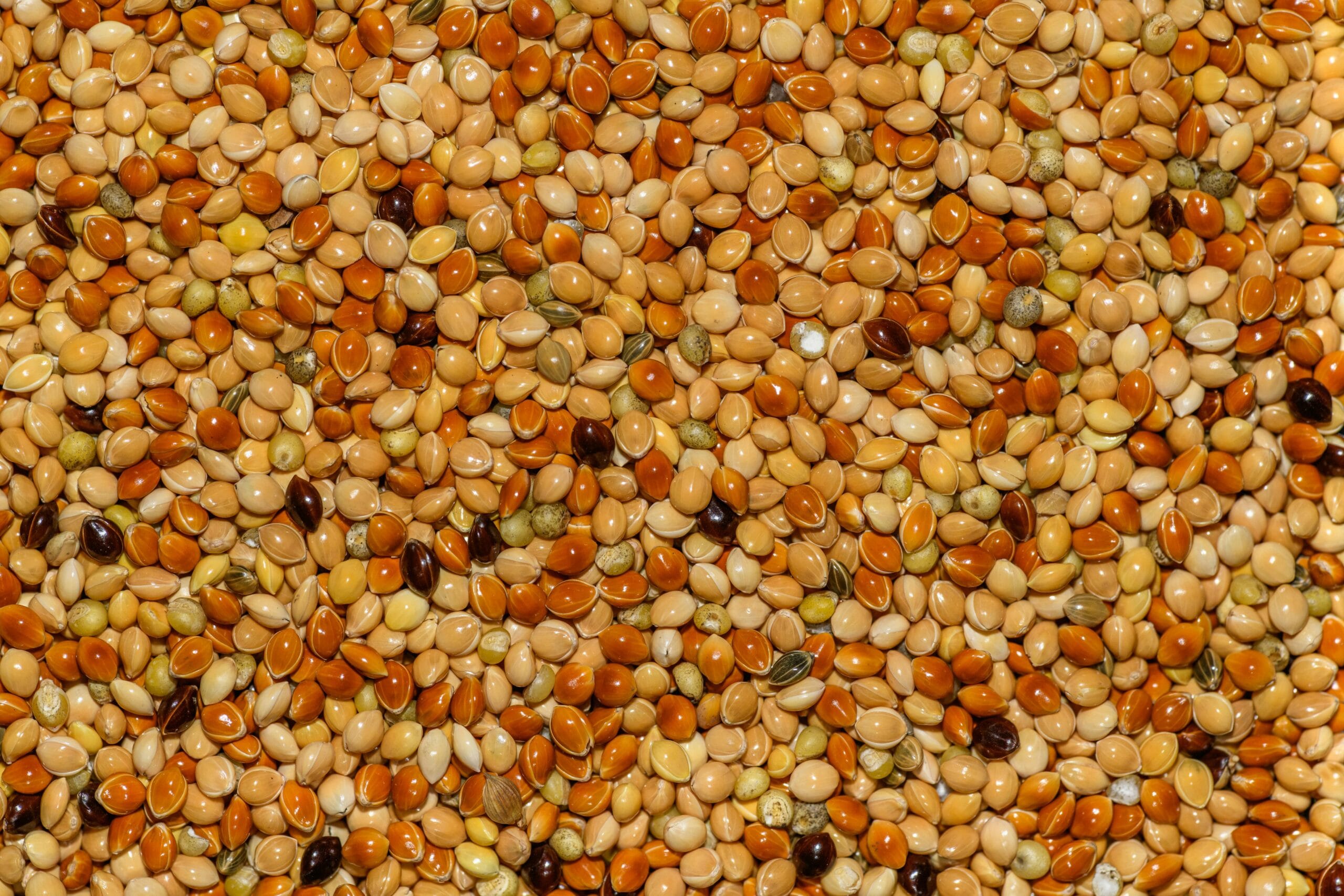
Detailed close-up of mixed millet seeds displaying a variety of golden hues, perfect for backgrounds.

Start your millet journey the simple way.

This combo includes Pearl Millet (Bajra) for sustained energy and Finger Millet (Ragi), naturally rich in calcium.
Supports digestion & gut health
Helps maintain energy throughout the day
Rich in calcium for stronger bones
Ideal for roti, porridge & dosa
Best for: First-time millet users
Easy tip: Mix millet flour with wheat flour (30:70) for smoother taste and texture.

👉 Check Price on Amazon

Is There a Way Out? What's Actually Working

The picture is not entirely bleak. A series of initiatives — some government-led, some market-driven, some community-based — are beginning to shift the economics and the culture around millets. Progress is uneven and insufficient at scale, but the direction of travel is encouraging.

 Odisha Millets Mission (OMM): Launched in 2017–18, this flagship state programme has revived millet cultivation and consumption across tribal districts through tribal farmer collectives, procurement at fair prices, and integration into mid-day meal schemes. It is now a model studied internationally.

  Shree Anna Initiative (Union Government, 2023): India’s broader push to position itself as the global hub for millet production and export, backed by ICAR research funding for yield improvement and FSSAI standards for millet-based products.

  Inclusion in PDS (select states): Chhattisgarh and a few other states have begun distributing millets through PDS alongside rice, which simultaneously supports farmer income and shifts consumption patterns.

  Urban consumer market growth: The organised food industry — from D2C brands like Slurrp Farm and The Whole Truth to institutional buyers — is creating a premium millet market that offers better farm-gate prices for quality millet produce. This is still urban-skewed but is building a supply chain from scratch.

  Biofortification research: ICRISAT and ICAR are developing high-yielding, high-iron, high-zinc varieties of pearl and finger millet that offer farmers better productivity without sacrificing nutritional density — addressing the profit gap directly.

  Mechanized dehusking investment: Small-scale millet processing units sponsored by NABARD and state rural development missions are beginning to reduce the processing labour burden, particularly for women in millet-growing regions.
The Consumer's Role: Your Grocery Basket Is a Vote

It would be naive to suggest that individual consumers can solve a structural agricultural policy failure. But consumer demand does shape what processors invest in, what retailers stock, and — eventually — what farmers grow profitably. The rapid expansion of the urban millet market over the last five years has already changed the economics slightly. More demand creates more procurement, which raises farm-gate prices, which gives a farmer in Chhattisgarh or Rajasthan a reason to continue growing millet rather than switching to soybean.

Practically, this means: replacing some portion of white rice with cooked jowar or ragi in your daily meals; choosing millet-based flours for rotis; supporting brands that work directly with millet farmers on transparent procurement. It doesn’t require going fully “millet-only” — even a 20% substitution at the household level, scaled across urban India, would meaningfully alter demand signals upstream.

“Millets would play a greater role in future agriculture due to challenges posed by climate change, limited water supply, and reduced agro-biodiversity — but only if investment in millet research and support matches what has been extended to wheat and rice.”

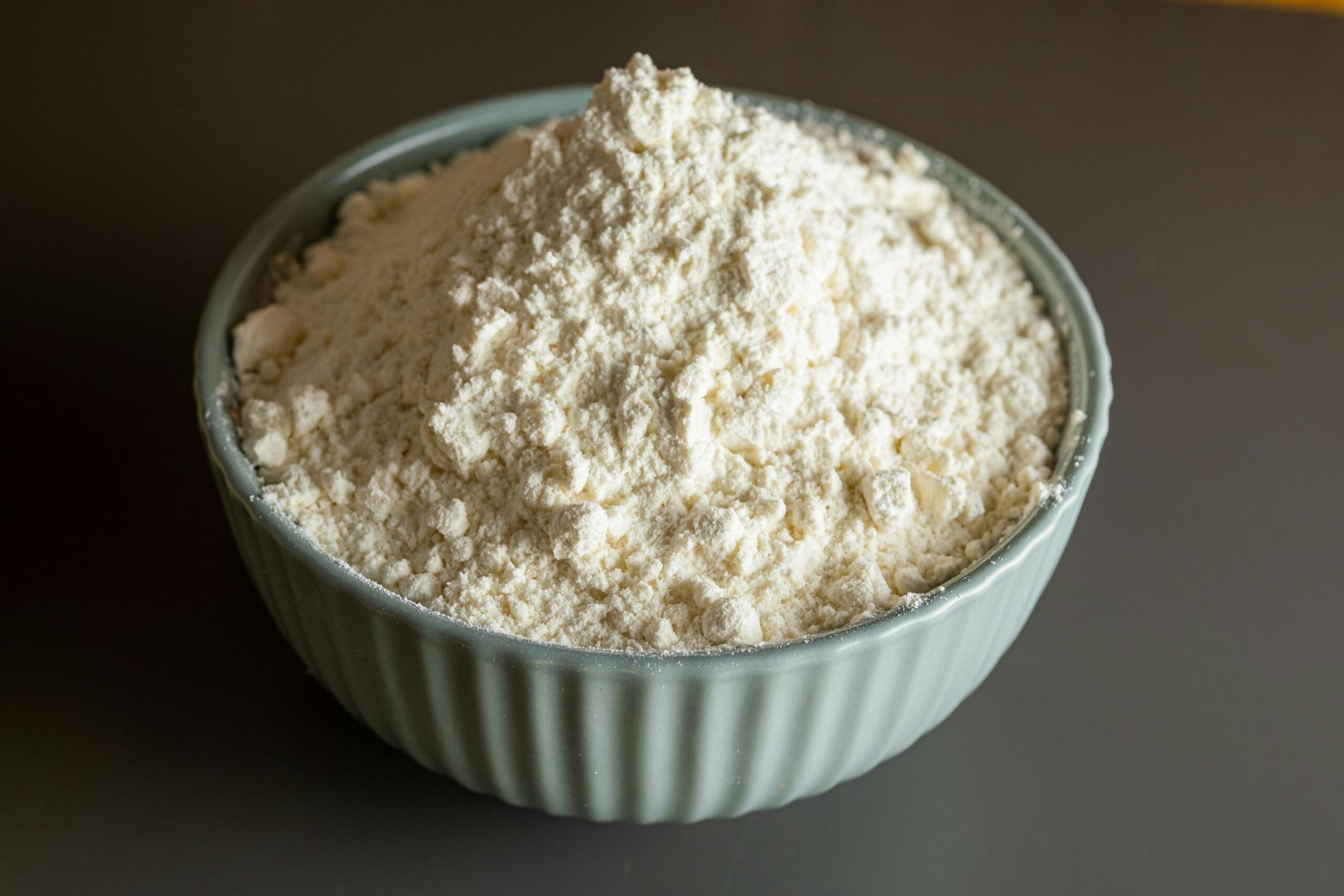
Close-up of a bowl filled with flour, perfect for culinary and baking themes.

Looking for a healthy wheat alternative?

This Jowar Atta (Sorghum Flour) is made from the traditional Desi Dagdi variety, stoneground to retain natural nutrients.
Naturally gluten-free & easy to digest
Rich in fiber, vitamins & essential minerals
Supports steady energy (no heavy feeling like refined flour)
Perfect for bhakri, roti, porridge & soups
Best for: Daily healthy meals & gluten-free diets
Simple use: Replace wheat partially or fully for lighter, nutritious meals.

Check Price on Amazon

Want a natural calcium boost in your daily diet?

This Ragi Flour (Finger Millet) is a great choice for improving bone strength and overall nutrition.
Naturally rich in calcium & iron
Supports bone health & digestion
Light on stomach & easy to cook
Ideal for porridge, roti, dosa & baby food
Best for: Daily nutrition & calcium-rich diet
Simple use: Add to breakfast porridge or mix with wheat flour for soft rotis.
Check Price on Amazon

FAQs

Q1. What are the main health benefits of millet nutrition?

Millet is rich in iron, calcium, magnesium, and dietary fibre. It has a low glycaemic index, making it beneficial for blood sugar management. Finger millet (ragi) contains about 344 mg of calcium per 100g — nearly 10× that of polished rice — while pearl millet provides significant iron, helping address anaemia.

Millet cultivation declined because Indian agricultural policy prioritised wheat and rice through Minimum Support Prices, subsidised inputs, and PDS distribution. Millets received no equivalent support system, making them economically unviable for smallholder farmers even though they require far less water and are more drought-tolerant.

Yes. Most millets have a glycaemic index between 54–62, significantly lower than white rice (~72) or refined wheat (~71). Their high fibre content further slows glucose absorption. Multiple studies support replacing refined cereals with whole millets as part of dietary management for Type 2 diabetes.

Millet consistently outperforms polished white rice on calcium (up to 34× higher in ragi), iron (up to 11× higher in pearl millet), dietary fibre (up to 57× higher), and polyphenol antioxidants. White rice has a higher glycaemic index and delivers fewer micronutrients per calorie than any major millet variety.

Finger millet (ragi) leads for calcium and antioxidant content, making it ideal for bone health and diabetes management. Pearl millet (bajra) tops for iron and protein, well-suited to address anaemia. Sorghum (jowar) offers balanced fibre and protein. For overall daily nutrition, a rotation across varieties provides the broadest micronutrient coverage.

The Bottom Line

The millet paradox — nutritionally irreplaceable, economically abandoned — is not a mystery. It is the predictable result of six decades of policy architecture that rewarded two crops above all others and allowed the rest of India’s agricultural heritage to quietly decline. The nutrition science was never in doubt. What failed was the economic incentive structure for farmers, the processing infrastructure, the distribution network, and the cultural positioning of millets as something aspirational rather than something shameful.

Fixing this is neither simple nor quick. It requires MSP reforms, procurement infrastructure, processing mechanisation, PDS diversification, and sustained consumer education — simultaneously. The encouraging news is that more of this is happening now than at any point in the last 50 years. The international recognition of 2023 created momentum. State-level models like Odisha’s are proving replicable. A generation of urban Indians is rediscovering foods their grandparents ate daily.

Whether that momentum translates into the kind of structural shift that brings millets back into the daily diets of the billion-plus people who would benefit from them — that remains, for now, an open question.

Explore Millet & Cereal Nutrition Data

VitaRoxi maintains a detailed nutritional database covering 30 millet and cereal varieties and traditional preparations, cross-referenced with ICMR-NIN IFCT 2017 and USDA FoodData Central.

Data sources & references: ICMR-NIN Indian Food Composition Tables 2017; USDA FoodData Central; Cornell Food Systems Initiative / TCI (Nuthalapati et al., May 2024); Yadav et al., Crop Science 2024 (ICRISAT); Frontiers in Sustainable Food Systems, Millet Production Asia-Pacific Review 2024; NFHS-5 India 2019–21; FAO FAOSTAT 2023; Odisha Millets Mission programme reports. Nutritional values are for raw, unprocessed grain unless stated.

Leave a Comment

Your email address will not be published. Required fields are marked *

Scroll to Top