Hidden Nutrients in Indian Superfoods You Overlook Every Day
Moringa, curry leaf, raw banana, drumstick — these everyday Indian ingredients are nutritionally extraordinary. Here’s what the science actually says.
Walk through any Indian market and you’ll find ingredients that Western nutritionists are only now beginning to study. Moringa powder sells for ₹800 in health stores — but the tree grows freely in millions of Indian backyards. Curry leaves get fished out of dal and left on the plate. Raw banana goes unnoticed beside flashier fruits.
This article cuts through the noise. Using data from ICMR-NIN’s Indian Food Composition Tables (IFCT 2017), USDA FoodData Central, and peer-reviewed literature, we profile seven Indian ingredients whose nutritional depth is genuinely surprising — and tell you exactly how to get the most out of them in your kitchen.
“India has always had its superfoods. We just stopped calling them that.”
1. Moringa (Drumstick Leaves) — The Miracle Tree
Moringa oleifera is native to the Indian subcontinent and has been used in Ayurvedic medicine for over 4,000 years. Today, it’s the subject of hundreds of scientific studies. The leaves alone contain an extraordinary concentration of micronutrients rarely matched by any single plant food.
Per 100g of fresh drumstick leaves (ICMR–NIN IFCT 2017 / USDA):
What makes moringa truly unusual is that it provides all essential amino acids — making it one of the very few plant-complete protein sources. Research published in peer-reviewed journals confirms protein content ranging from 19–29% on a dry weight basis.
The leaves contain three key phytochemicals: astragalin, isoquercetin, and crypto-chlorogenic acid — all with documented antioxidant and anti-inflammatory properties.
SPINACH (100G)
MORINGA LEAVES (100G)
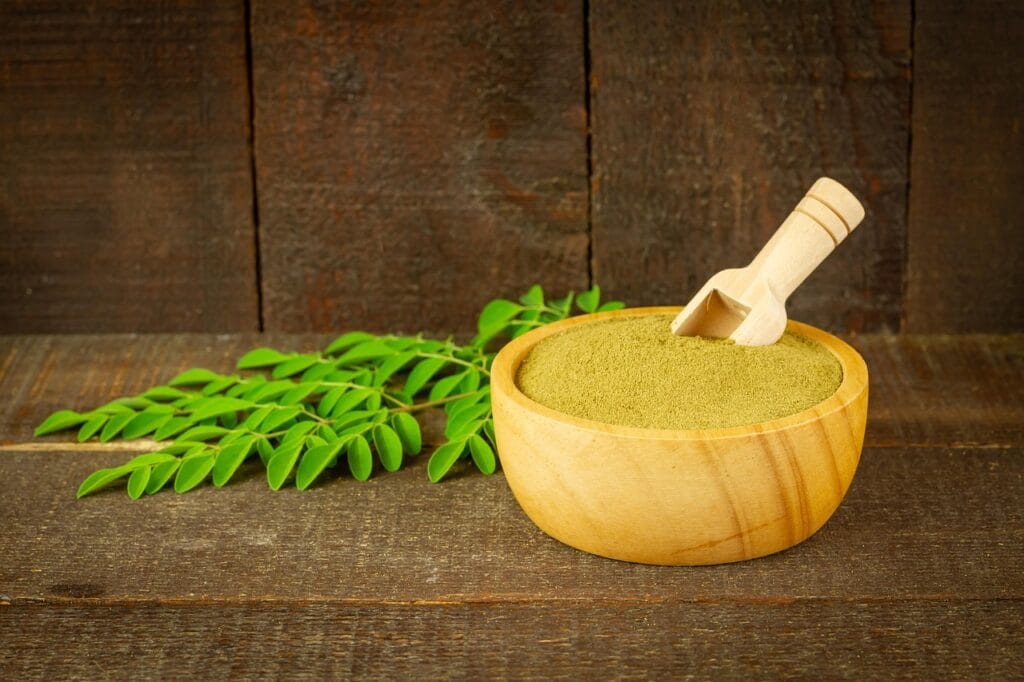
If you can’t get/eat drumstick leaves because of any reason, then you can try drumstick leaves powder to get benefits.
2. Curry Leaf (Kadi Patta) — More Than a Tadka Ingredient
Every Indian kitchen has curry leaves. Almost every diner picks them out. This is a nutritional mistake that Indian grandmothers understood intuitively — and modern research now confirms.
Per 100g of fresh curry leaves:
The standout micronutrient is Vitamin A at 125% of daily value per 100g — higher than most commonly consumed vegetables. The carbazole alkaloids unique to this plant provide antidiabetic and hepatoprotective effects not found elsewhere in the Indian diet.
Curry leaves are also rich in copper, potassium, manganese, zinc, and selenium — a mineral profile that supports thyroid function, antioxidant defence, and cardiovascular health simultaneously.
Curry leaves are typically added early in hot oil tadka to release aroma — but this high-heat exposure degrades heat-sensitive vitamins. For maximum nutrition, add some leaves later in cooking, or incorporate raw curry leaf powder (dried at low temperature) into chutneys and rice dishes.
Curry leaves powder provides a highly concentrated dose of essential micronutrients, dietary fiber, and potent antioxidants known as carbazole alkaloids. Incorporating just a teaspoon into your daily meals efficiently supports healthy digestion, combats oxidative stress, and helps stabilize blood sugar levels.
3. Raw Banana (Kachha Kela) — The Resistant Starch Powerhouse
Raw banana is a staple in Kerala, Tamil Nadu, and West Bengal kitchens — but it’s chronically underappreciated as a nutrition tool. The key compound is resistant starch, which behaves more like dietary fibre than regular starch in the body.
Per 100g of raw/unripe banana:
Resistant starch passes through the small intestine undigested and reaches the colon, where it acts as a prebiotic — feeding beneficial Bifidobacterium and Lactobacillus strains. This is why traditional Ayurvedic medicine has long recommended raw banana for digestive disorders.
Critically, raw banana has a significantly lower glycaemic index than ripe banana — making it the better choice for those managing blood sugar.
4. Drumstick Pods — Vitamin C Hiding in Plain Sight
Most people know drumstick (sahajan) pods from sambar but don’t realise they’re scooping out one of the most vitamin C-dense vegetables in the Indian diet. The pod flesh contains folates, pyridoxine (B6), riboflavin, and an impressive mineral profile.
The drumstick tree’s virtue is that nearly every part is edible and nutritious — pods, leaves, flowers, seeds, and even bark each carry distinct bioactive compounds. The pods specifically contain glucosinolates and isothiocyanates — the same class of anti-cancer compounds found in cruciferous vegetables like broccoli.
5. Horse Gram (Kulthi) — India’s Most Underrated Legume
Horse gram is one of the highest protein-containing legumes in the world, yet it’s largely absent from mainstream nutrition discussions. It thrives in drought conditions, making it a climate-resilient crop with deep roots in Indian tribal and rural cuisine.
Per 100g of raw horse gram (ICMR–NIN IFCT 2017):
Horse gram is particularly valuable for its polyphenol content, which includes flavonoids with documented anti-obesity and anti-lipidemic effects. Studies from India have shown sprouted horse gram significantly reduces lipid peroxidation and improves insulin sensitivity.
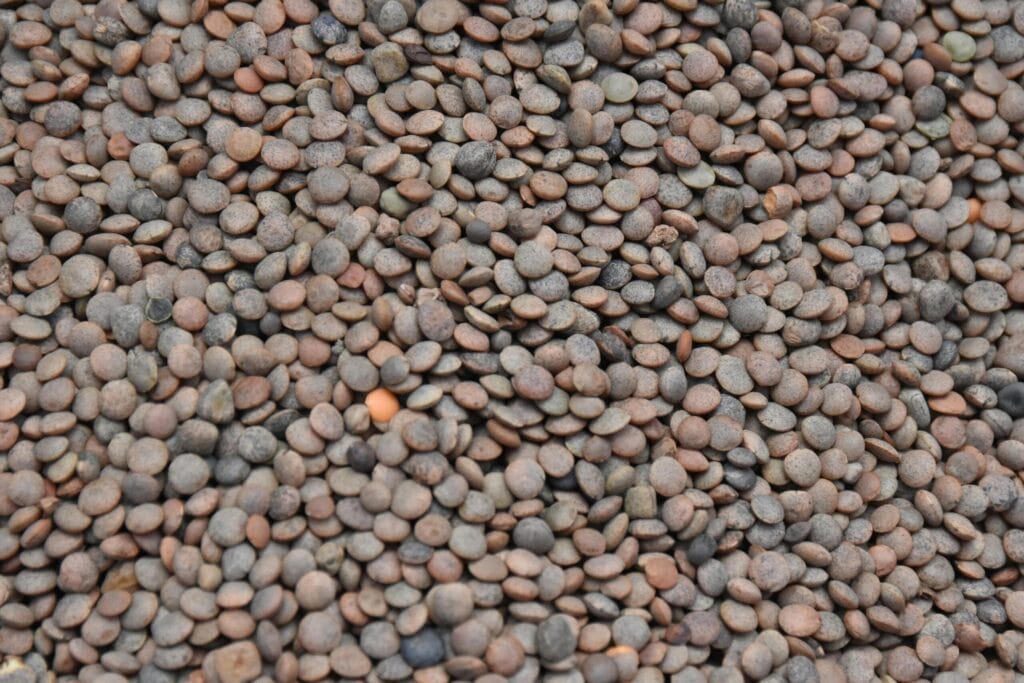
Exceptionally high in plant-based protein, iron, and dietary fiber, horse gram is a powerful, low-glycemic legume that aids in weight management, boosts metabolic health, and provides sustained energy.
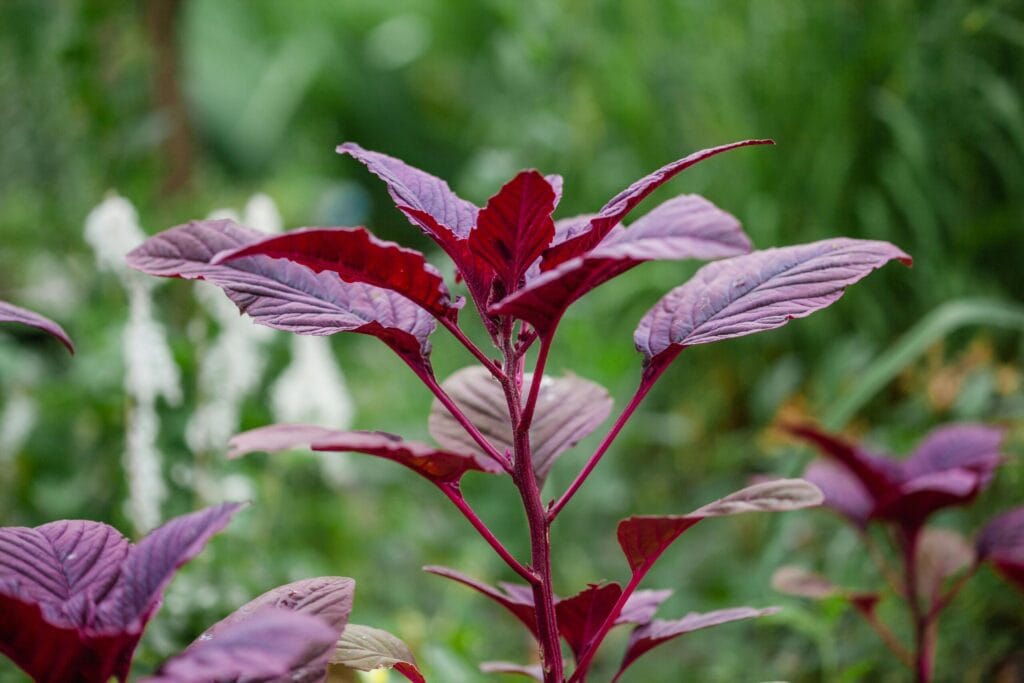
6. Amaranth Leaves (Chaulai) — Better Than Spinach?
Chaulai saag is a monsoon vegetable available across India, yet it’s rarely discussed in the context of iron deficiency — a problem affecting nearly 50% of Indian women. The comparison with spinach reveals why this matters.
| NUTRIENT (PER 100G) | AMARANTH LEAVES | SPINACH | WINNER |
|---|---|---|---|
| Iron | 3.9 mg | 2.7 mg | Amaranth (+44%) |
| Calcium | 267 mg | 99 mg | Amaranth (+170%) |
| Vitamin C | 43 mg | 28 mg | Amaranth (+54%) |
| Protein | 3.5 g | 2.9 g | Amaranth (+21%) |
| Oxalates | Lower | Higher | Amaranth (better absorption) |
The lower oxalate content in amaranth means the calcium and iron it contains are better absorbed than from spinach — a crucial distinction often missed when comparing raw nutrient numbers. Source: ICMR-NIN IFCT 2017 and USDA FoodData Central.
How to Maximise Nutrient Absorption
Knowing that a food is nutritious is only half the equation. The science of bioavailability — how much of a nutrient your body actually absorbs — is where traditional Indian cooking wisdom intersects perfectly with modern nutrition science.
| NUTRIENT | ABSORPTION BOOSTER | TRADITIONAL INDIAN PRACTICE |
|---|---|---|
| Iron (non-haem) | Pair with Vitamin C | Lemon squeezed on dal, chaulai with amla chutney |
| Beta-Carotene | Pair with fat | Moringa sautéed in ghee or mustard oil |
| Calcium | Avoid high oxalate co-consumption | Use ragi over spinach for calcium goals |
| B-vitamins | Fermentation increases bioavailability | Idli, dosa, kanji — all fermented grains |
| Polyphenols | Sprouting breaks down antinutrients | Sprouted moong, sprouted horse gram |
Practical Tips for Every Indian Kitchen
The Bottom Line
India doesn’t need imported superfoods. The evidence consistently points to what Indian culinary tradition already knew: moringa, curry leaf, raw banana, drumstick pods, horse gram, and amaranth leaves are among the most nutrient-dense foods available — and they’ve been growing on Indian soil for millennia.
The challenge is not availability. It’s attention. The next time you cook sambar, eat the curry leaves. Add moringa to your dal. Sprout some kulthi overnight. These aren’t extraordinary interventions — they’re ordinary Indian cooking, done with nutritional intentionality.
The most powerful health upgrades for Indian households don’t require expensive supplements — they require looking more carefully at what’s already on the plate.
References & Data Sources
- ICMR-NIN, Indian Food Composition Tables (IFCT) 2017, National Institute of Nutrition, Hyderabad.
- USDA FoodData Central, U.S. Department of Agriculture (fdc.nal.usda.gov).
- Gopalakrishnan, L. et al. (2016). Moringa oleifera: A review on nutritive importance and its medicinal application. Food Science and Human Wellness, 5(2), 49–56.
- Patel, P. et al. (2022). Recent Advances in Drumstick (Moringa oleifera) Leaves Bioactive Compounds. Nutrients, NCBI PMC8869219.
- Rajyalakshmi, P. (2004). Nutritional composition of horse gram. Journal of Food Composition and Analysis.
- Kumar, V. & Nair, A. (2020). Curry leaf (Murraya koenigii): Functional food properties and its applications. Trends in Food Science & Technology.
- FSSAI Food Safety and Standards Authority of India, Nutrient composition guidelines.