Your Body Is Screaming for These Foods
This Indian Summer
The foods that hydrate AND nourish — rooted in Indian pantries, backed by science, and yes, with a nod to every NRI sweating it out abroad.
May in India is not just hot — it is a physiological event. In 2026, with heat index values touching 48°C across the Indo-Gangetic plains, your body loses up to 1.5 litres of fluid per hour just by existing outdoors. But here’s what most summer hydration guides miss: drinking water alone isn’t enough. You need to eat your water — and eat it the way generations of Indians already knew how, long before electrolyte sachets were invented.
This isn’t a list of “superfoods” ripped from a California wellness blog. Every Indian food to beat the heat listed here is either at your local sabzi mandi right now, in your dadi’s kitchen, or — for our NRI readers from New Jersey to Neasden — available at the nearest Indian grocery. We’ll tell you what it does, why it works in summer specifically, and exactly how to eat more of it.
Why Plain Water Fails You in Indian Summers
When you sweat heavily, you don’t just lose water — you lose sodium, potassium, magnesium, and chloride. Drinking plain water in large quantities without replacing electrolytes dilutes your blood sodium, causing a dangerous condition called hyponatremia. The symptoms look exactly like dehydration: headache, confusion, nausea. This is precisely why people feel “off” even after drinking litres of plain water.
Food is your most effective electrolyte delivery system. Unlike sports drinks, whole foods deliver electrolytes packaged with fibre, antioxidants, and micronutrients in forms your body absorbs efficiently. The Indian summer diet — built over centuries in a subcontinent that regularly hits 45°C — is essentially a masterclass in functional food design.
2026 Heat Alert
IMD has forecast above-normal temperatures across Rajasthan, UP, MP, and Chhattisgarh through June. Adults need a minimum of 3–3.5 litres of fluids daily during peak summer — more during fieldwork or outdoor activity. Children and the elderly need extra monitoring.
How Much Water Does Your Body Actually Need This Summer?
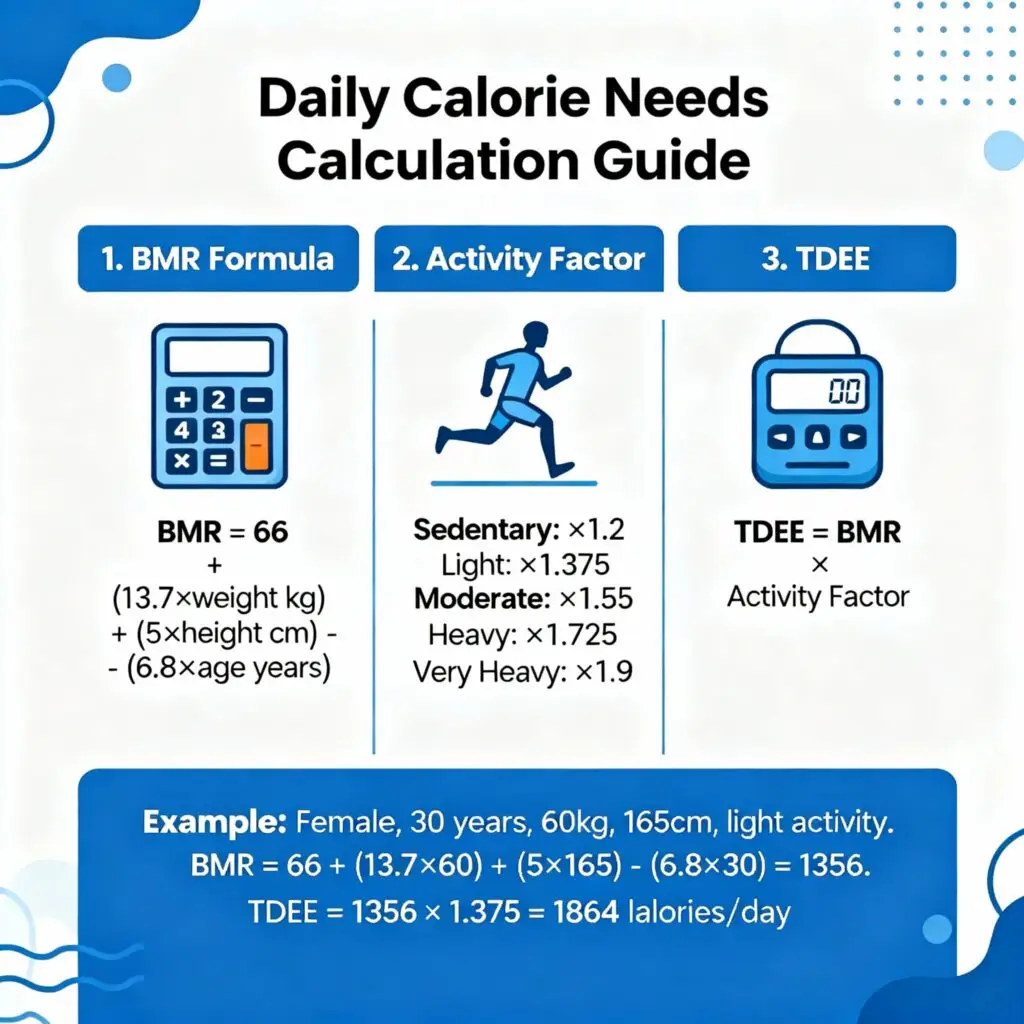
Most hydration guides give you a generic “8 glasses a day.” That number ignores your weight, activity level, and the Indian summer heat entirely. Get your personalised number in 30 seconds.
The High-Water Foods Your Body Wants Right Now
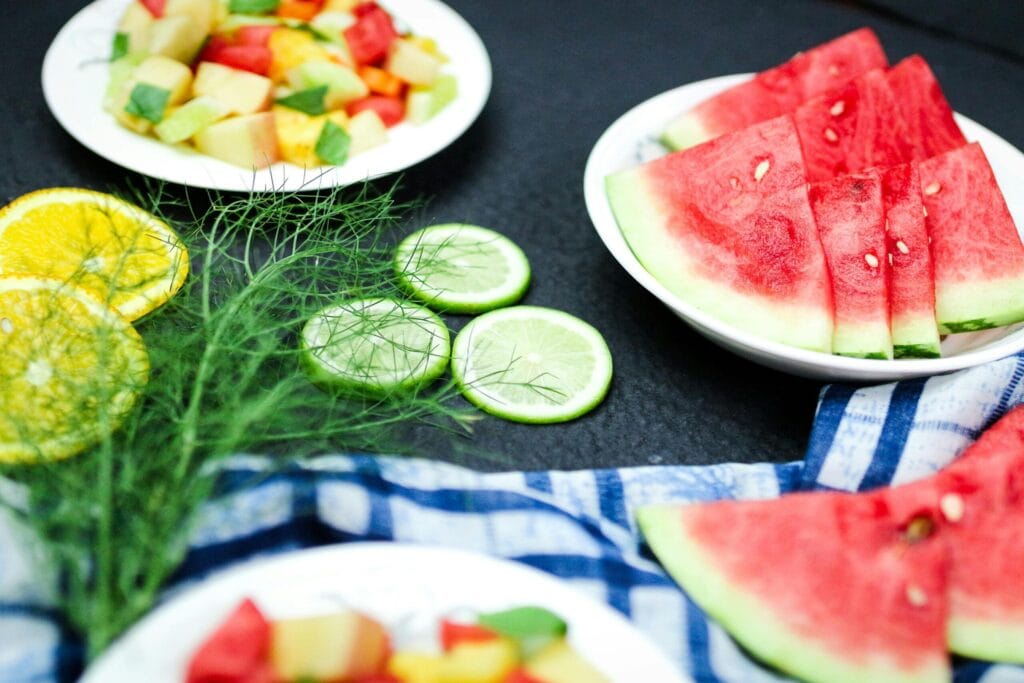
These aren’t just “watery” — each is a complete hydration + nutrition package designed by nature for hot climates. Water content measured per 100g of raw whole food.
Tarbuz
Rich in lycopene (a heat-protective antioxidant), potassium, and L-citrulline which improves blood flow under heat stress. Eat chilled, not ice-cold. Available ₹10–25/kg across India, May–July.
Kheera
Delivers silica for skin health and cooling cucurbitacins. A kheera-pudina raita is 94% hydration with probiotic gut support built in. Costs ₹5–10/piece. No cooking required.
Kairi
The original electrolyte drink base. Raw mango + rock salt + mint = natural sodium + potassium + Vitamin C. Aam panna actively prevents heat stroke, not just dehydration.
Nariyal
Nature's isotonic drink: 600mg potassium, 252mg sodium per cup. A better electrolyte ratio than most commercial sports drinks. Tender coconut beats bottled every single time.
Kokum
A Konkan coastal treasure used for centuries as a summer drink. Hydroxycitric acid in kokum has proven anti-inflammatory effects. Kokum sharbat restores appetite lost in heat.
Sattu
Bihar and UP's original summer protein drink. Sattu sharbat with lemon and black salt gives protein + iron + magnesium per serving. Keeps you full and cool for hours.
Stock your summer pantry — Amazon picks
Sattu — Roasted Chana Flour
100% pure, no additives. Dissolves clean in water — no lumps, no chalky aftertaste.
Kokum Agal — Concentrate
One bottle makes 20+ glasses. Just add water, black salt, and you’re done. The Konkan summer drink, delivered to your door.
Rock Salt (Sendha Namak)
The one ingredient every summer drink needs. Replaces electrolytes lost in sweat — works in aam panna, sattu sharbat, and nimbu paani.
Traditional Drinks That Are Actually Electrolyte Science
Summer Drinks Ranked by Electrolyte Power
Traditional Indian drinks vs. commercial options — what the marketing labels don't tell you.
🥇 Aam Panna
Sodium via rock salt + Vitamin C + cooling mint. Heat-stroke prevention in a single glass.
🥈 Chaas (Buttermilk)
Probiotics + potassium + natural body cooling. Far better than cold water for reducing core body temperature.
🥉 Sattu Sharbat
Protein + iron + slow-release energy. The underdog of summer drinks — it crushes commercial energy drinks.
4. Jaljeera
Cumin is a natural digestive coolant. Tamarind adds B vitamins. Street-made version beats packet versions.
5. Bel Sharbat
Wood apple + jaggery + water = natural gut soother for summer diarrhoea and digestive cooling.
❌ Commercial Energy Drinks
High caffeine causes further dehydration. Excessive sugar spikes then crashes energy. Avoid entirely in peak heat.
Nutrient Gaps Indian Summers Create — and How to Fill Them
Most people focus only on hydration but miss that heavy summer sweating depletes specific micronutrients faster than any other season. Here’s what gets depleted, why it matters, and which Indian foods restore it best.
| Nutrient Lost in Heat | Why It Matters | Best Indian Source | Daily Target |
|---|---|---|---|
| Sodium | Muscle cramps, fatigue, dizziness | Rock salt in aam panna, chaas, jaljeera | 1,500–2,300mg (more if sweating heavily) |
| Potassium | Heart rhythm, nerve function | Banana (kela), coconut water, raw mango | 3,500–4,700mg |
| Magnesium | Muscle function, heat cramps | Sattu, bajra roti, palak (spinach) | 310–420mg |
| Vitamin C | UV skin protection, immunity support | Amla, raw mango, guava (amrood) | 65–90mg (amla alone = 600mg per 100g) |
| Iron | Fatigue amplified by heat stress | Sattu, horse gram (kulthi), methi leaves | 8–18mg (women need more) |
| Vitamin D | Paradoxically low despite sun — sunscreen + avoidance | Fortified milk (doodh), egg yolk, moringa | 600–800 IU daily |
A Full Day of Eating Designed for Indian Summer
This is not a meal plan with rules — it’s a rhythm with options. Every slot tells you what goal to hit and gives you multiple ways to get there. Don’t like dahi? Skip it entirely — there’s another path to the same result. Eat what suits you, swap freely, and ignore what doesn’t fit your taste or lifestyle.
6:00 AM
Goal: Wake up your hydration before heat builds
Morning Kickstart — Pick One
Your body is mildly dehydrated after 7–8 hours of sleep, before summer heat even starts. Any of these work:
🥤 Choose whichever you like
• Lukewarm water + soaked sabja seeds (basil seeds) — the gentlest, most effective option
• Nimbu paani with a pinch of rock salt — if you prefer something with taste
• Plain warm water with 2–3 soaked kishmish (raisins) — naturally sweet, great for digestion
• A small glass of coconut water — if you have it handy
Not a morning person? Even 2 glasses of plain water works. The goal is rehydration, not a ritual.
8:00 AM
Goal: Slow-digesting breakfast that doesn’t heat the body
Breakfast — Pick What You Actually Eat
Heavy, oily breakfasts spike internal body temperature. Light and slightly moist is the direction. You don’t have to like dahi or coconut — just avoid fried or dry-heavy options at this hour.
 Options — any one
•Like dahi?
Dahi rice, or poha with a side of curd
•Don’t like dahi?
Plain poha with curry leaves + coconut, or upma with lots of vegetables
•Egg eater?
Boiled or scrambled eggs on toast — easy protein, no heavy frying
•Nothing heavy in the morning?
A banana + a glass of sattu sharbat is complete enough
•South Indian household?
Idli-sambar is nearly perfect — light, fermented, hydrating
The only thing to skip: paratha-sabzi with heavy ghee or deep-fried puri at this hour. Save that for winter.
10:30 AM
Goal: Pre-load electrolytes before peak heat hits
Mid-Morning Drink — Pick Your Favourite
This is the most underrated slot of a summer day. Most people skip it. Don’t. You don’t need all of these — just one, whichever you enjoy most:
🥛 Pick one, drink it slowly
- Tender coconut water — the gold standard, no prep needed
- Aam panna — if you like tangy, this is your slot
- Jaljeera with a pinch of black salt — great if you like zingy flavours
- Kokum sharbat — mild, slightly sour, excellent for appetite and digestion
- Bel sharbat (wood apple) — thick and filling, doubles as a light snack
•Don’t like any of these?
A tall glass of nimbu paani with rock salt and cumin powder is perfectly adequate
Just don’t use this slot for chai or coffee — caffeine in peak heat is counterproductive.
1:00 PM
Goal: Nourishing lunch that doesn’t make you sluggish in the afternoon heat
Lunch — Light, Wet, and Flexible
The key principle here: cooked vegetables with high water content, a dal or lentil base, and one fresh side. Beyond that, eat what you normally eat — just keep portions moderate and avoid anything very oily or dry.
🍛 Mix and match
- Base (pick one):Dal + rice · Khichdi · Roti + dal · Rice + sambar
- Sabzi (pick one):Turai, loki, tinda, torai — all are 90–96% water. If you dislike these, palak or any leafy sabzi works
- Fresh side:Kachumber (cucumber + tomato + lemon) · A small bowl of watermelon · A few slices of kheera with rock salt
- Not a dal person?Moong dal soup on the side — very mild, almost tasteless, but does its job
Skip: heavy gravies, deep fried items, or a large meal that leaves you needing a 2-hour sleep.
4:00 PM
Goal: Break the mid-afternoon energy crash without a sugar spike
Evening Snack — The Slot Most People Get Wrong
4 PM in Indian summer is a tough hour — heat is still high, energy is low, and the instinct is to reach for chai and biscuits. That combo gives you a 20-minute lift and then a bigger crash. Here’s what actually works:
☀️ Pick what you enjoy
- Sattu sharbat with rock salt + lemon + roasted cumin — protein + minerals, keeps you going till dinner
- Sliced kheera / tarbuz / any seasonal fruit with a pinch of black salt
- Makhana (fox nuts) — roasted lightly, not fried. Surprisingly filling and cooling
- Roasted chana with lemon — simple, cheap, high protein
Can’t give up your chai?
Fair enough. Have a small cup, but pair it with a fruit or kheera instead of biscuits
The mission of this slot is energy stability, not taste perfection. Any of the above does it.
7:30 PM
Goal: Easy-to-digest dinner that restores without overloading
Dinner — Simple, and Finished Early
Digestion slows in heat. A heavy dinner means your body works through the night instead of resting. Keep it light and finish by 8:30 if possible.
🌙 Your options
- Khichdi — the easiest and most complete option. Moong dal + rice + ghee is not boring, it’s intelligent
- Moong dal soup + 1–2 rotis — if you want something slightly more substantial
- Dalia (broken wheat) with vegetables — great if you want something different
- Vegetable soup + bread — perfectly fine for lighter appetites
To finish:Chaas (buttermilk) soothes digestion in summer. If you don’t like chaas, a small piece of gur (jaggery) or a few slices of fruit work too. Avoid cold water immediately after eating.
Non-vegetarian? Grilled or lightly cooked chicken/fish is fine. Avoid heavy curries or red meat at this hour in summer.
🌍 For NRIs: Desi Hydration Without the Desi Market
You're in London, Toronto, Dubai, or Sydney — but your body still runs on Indian metabolic rhythms. Here's how to replicate the summer nutrition strategy abroad.
No coconut vendor? No problem.
Harmless Harvest (US), Vita Coco (UK/AU), and Al Marai coconut water (UAE) restore potassium well. Avoid coconut-flavoured drinks.
Sattu abroad
Most Indian/Pakistani grocers in UK, US, and Canada carry sattu. Amazon US/UK also stocks it. Roasted chana atta works similarly.
Kokum outside India
Dried kokum is available in Indian stores across major Western cities. Tamarind water + Himalayan salt also creates a similar electrolyte profile.
Northern hemisphere summers
UK, Canada, and Northern US now experience increasingly warm summers. Air conditioning also creates hidden dehydration. The same hydration principles apply consistently.
The 5 Summer Eating Mistakes Most Indians Make
These are so common they’re practically national habits — and every single one worsens dehydration and accelerates nutrient loss.
Mistake 1: Drinking ice-cold water after meals
Chilled water solidifies dietary fats, slows digestion, and triggers gastric cramps in summer heat. Opt for room temperature water or chaas post-meal. Ayurveda and modern gastroenterology reach the same conclusion here.
Mistake 2: Eating heavy proteins at noon
Digesting red meat, paneer, or rajma at peak heat raises core body temperature through the thermogenic effect of food. In extreme heat, this can push you toward heat exhaustion. Save protein-heavy meals for evenings.
Mistake 3: Skipping salt in the name of “healthy eating”
Low-sodium diets designed for sedentary, air-conditioned lifestyles are dangerous for anyone active in Indian summers. Rock salt in your drinks and food isn’t optional — in heat, it’s physiologically necessary.
Mistake 4: Replacing meals with packaged juices
Most packaged fruit juices contain 12–15% added sugar with minimal electrolytes and zero fibre. They spike blood sugar, trigger insulin crashes, and actually increase thirst. Whole fruit is always superior to juice.
Mistake 5: Using ORS only when sick
Oral rehydration salts are perfect for heavy outdoor workers, field labourers, and athletes every single day in summer — not just during illness. Jeera water with rock salt and lemon is essentially homemade ORS at ₹5/glass.
Special Needs: Children, Elderly & Diabetics
Children under 12
Children have a higher body surface area-to-mass ratio and dehydrate significantly faster than adults. Chhach (thin buttermilk), diluted coconut water, and fresh nimbu paani with a pinch of salt are safer than commercial sports drinks. Watermelon and cucumber as snacks beat juice boxes. Avoid ice-cold drinks — they cause throat infections and stomach cramps in children.
Elderly (60+)
Thirst sensation decreases measurably with age — elderly people often aren’t aware they’re severely dehydrated until it’s dangerous. Families should ensure water and cooling foods are offered every 1.5–2 hours regardless of whether the elder asks. Moong dal soup, curd rice, and bel sharbat are ideal: easy to digest, hydrating, and nutrient-rich.
Diabetics
Avoid sweetened sharbats and packaged fruit juices entirely. Instead opt for unsweetened chaas, sattu sharbat without sugar, kokum water with minimal jaggery, and whole fruits like jamun (Java plum) and guava which have low glycaemic impact. Watermelon is safe in moderate portions — its glycaemic load is lower than its glycaemic index suggests.
Frequently Asked Questions
Real questions people ask about summer nutrition — answered without jargon.
I drink 3–4 litres of water every day but still feel dehydrated and tired. What's going wrong?
This is one of the most common summer complaints — and water quantity is almost never the problem. The issue is electrolyte balance. When you drink large amounts of plain water without replacing sodium and potassium lost through sweat, your blood becomes diluted. Your kidneys then flush out even more water to rebalance things, taking minerals with it. You end up in a loop: drinking more, feeling worse.
The fix is simple: add rock salt and lemon to at least one or two glasses of water daily. Eat foods that naturally carry electrolytes — coconut water, raw mango, banana, chaas, kheera. You don’t need sports drinks or ORS sachets. Your kitchen already has everything required. If the fatigue is persistent despite dietary changes, a basic blood test for sodium, potassium, and haemoglobin levels is worth doing.
Is it okay to eat mango every day in summer? Doesn't it cause heat or weight gain?
The “mango causes heat” belief is widespread and almost entirely a myth — at least for ripe mango eaten in moderate amounts. One medium mango (around 150g) provides Vitamin C, potassium, beta-carotene, and about 15g of natural sugar. As a seasonal whole fruit eaten after meals or as a snack, it fits perfectly into a summer diet.
The actual culprits behind post-mango discomfort are: eating too many at once (3–4 mangoes in a sitting is genuinely a lot of sugar), eating mango on an empty stomach, or consuming the milky sap near the stem without washing it — that can cause mild skin or oral irritation in some people. One or two mangoes a day, as part of a balanced diet, is not a problem for most healthy people. If you have diabetes, moderate your portion and choose varieties that are less sweet (like Totapuri) over Alphonso or Kesar.
What should I eat (or avoid) just before stepping out in peak afternoon heat?
30–45 minutes before going out: Have a glass of coconut water, aam panna, or nimbu paani with rock salt. This pre-loads electrolytes so your body has reserves to draw from as you begin sweating. A small banana adds potassium. Avoid stepping out immediately after a heavy meal — digestion competes with heat regulation and neither does its job well.
What to avoid before outdoor exposure: Heavy fried foods (they raise internal body temperature), caffeinated drinks like chai or coffee (mild diuretics — increase fluid loss), and ice-cold drinks right before going out (the body temperature contrast makes heat exposure feel more extreme). Carry something with you — even a small bottle of nimbu paani with salt keeps you functional if you’re stuck in the sun longer than planned.
I'm vegetarian and don't like most of the drinks mentioned here. How do I actually meet my summer nutrition needs?
Completely valid — and the answer is simpler than it sounds. You don’t need to like aam panna, chaas, or coconut water specifically. The nutritional goals they serve are: electrolytes (sodium + potassium), hydration, and some protein. Here’s how to get all three without any of the classic drinks:
Electrolytes: Rock salt + lemon in plain water covers sodium. Banana, cooked potato, or rajma covers potassium. Both are things almost everyone eats anyway.
Hydration beyond water: Eat your water — watermelon, kheera, tarbuz, tomatoes, and high-water sabzis like turai and loki. You can meet 20–25% of your fluid needs through food alone.
Protein: Sattu sharbat with no flavouring except salt and lemon is very mild in taste — worth trying before writing off. Moong dal soup is also nearly flavour-neutral. Paneer in small amounts at non-peak hours works too.
The principle holds even if the specific items change: eat light, eat moist, replace salt, stay cool.
The Bottom Line:
Modern nutrition science keeps confirming what Indian grandmothers practiced instinctively. Aam panna is a functional electrolyte drink. Sabja seeds (Basil seeds) are a hydrogel delivery system for the gut. Sattu is a near-complete protein supplement. The problem isn’t that this knowledge was lost — it’s that it got buried under decades of marketing for overpriced imported supplements.
This summer, the single best thing you can do for your body is go back to the sabzi mandi, pick up a couple of raw mangoes, a bottle gourd, and a bag of sattu. Total cost: under ₹100. Nutritional value: priceless. And if you’re reading this from Toronto or Dubai, call your mum — she’ll tell you exactly how to make the aam panna you’re craving anyway.
Stay hydrated. Stay nourished. And for everything’s sake — put down the energy drink.
Disclaimer: This article provides general nutritional guidance only. Consult your doctor or a registered dietitian for personalised advice, especially if you have a chronic health condition or are on any medication.
Still Guessing How Much Water You Need?
Our free Water Intake Calculator gives you a personalised daily target based on your weight, activity, and the actual temperature where you live — not a generic “8 glasses” guess.
Our Summer Essentials Shop
Electral ORS Powder — Sachet Pack
The original. Right ratio of glucose + sodium + potassium. Keep a box at home all summer — not just for when you’re sick.
Time-Marked Water Bottle — 3.8L
Hour markers show exactly where you should be by noon. Hitting 3L+ daily becomes automatic — you stop forgetting.

UV-Protection Wide Brim Cap
Less sun on the head = less sweating = lower fluid loss per hour. The most underrated summer hydration hack.
Samsung Galaxy Fit3 — Track Sweat, Not Just Steps
Heart rate, SpO2, stress monitoring, and hydration reminders — all on a featherlight 18.5g band that survives sweat, rain, and 13 days without charging.