Vitamin B12 Foods for Vegetarians: What Can You Actually Get From Food?
Vitamin B12 is an essential nutrient that helps your body make red blood cells, maintain normal nerve function and support DNA synthesis. For Indian vegetarians, getting enough B12 can be challenging because ordinary plant foods are not reliable natural sources of this vitamin.
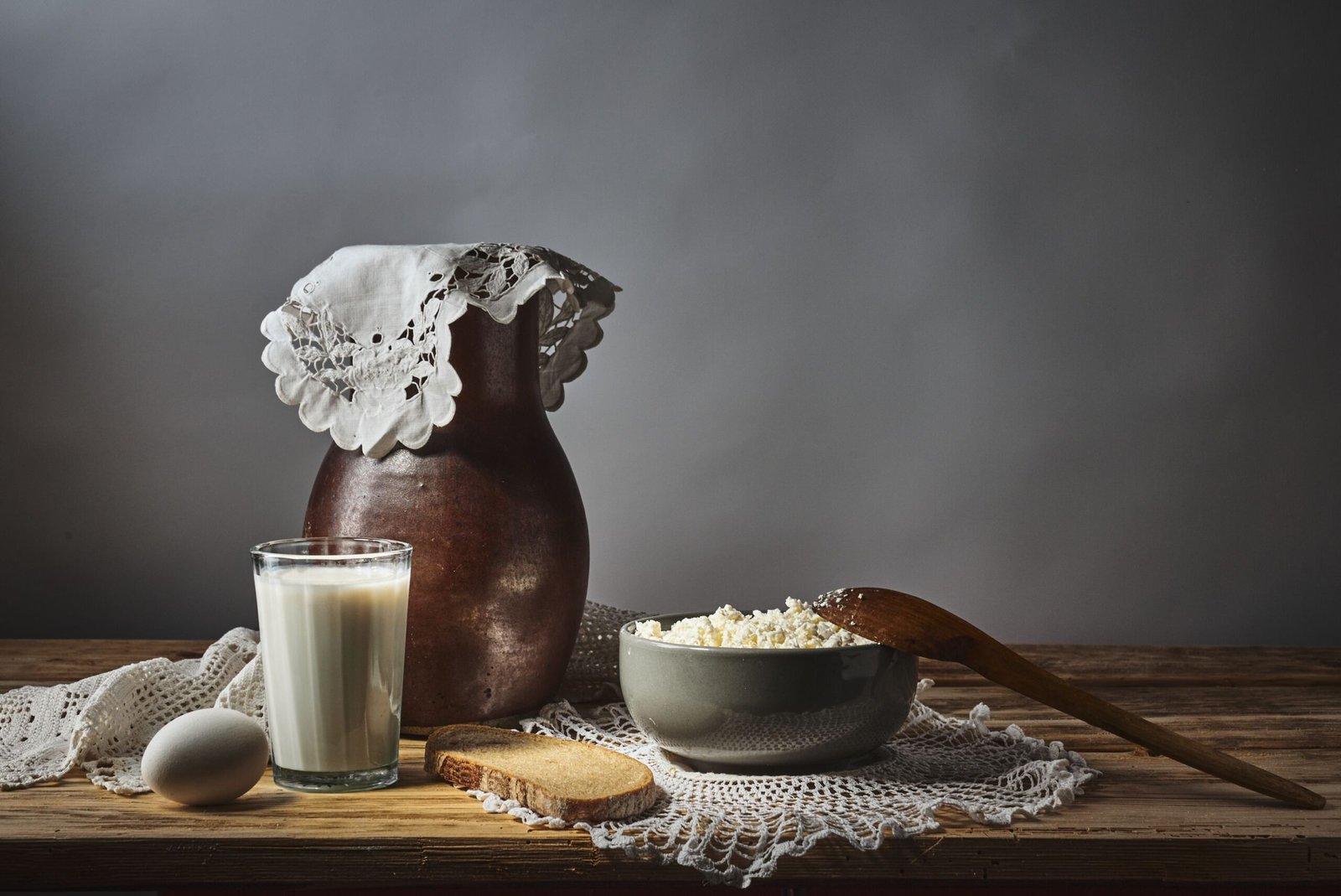
Milk, curd, cheese and other dairy products can contribute vitamin B12 if you consume them. However, the amount you obtain depends on the product, portion size and frequency of consumption. People who avoid all animal-derived foods need a reliable source of fortified vitamin B12 or an appropriate supplement.
A study of 220 patients treated for vitamin B12 deficiency at a tertiary-care hospital in northern India found that approximately 86% were strict vegetarians. This finding highlights the importance of considering dietary patterns when assessing B12 deficiency. It does not mean that 86% of all Indian vegetarians are deficient.
Eggs also contain vitamin B12 and are discussed separately for readers who choose to eat them. You do not need to include eggs in your diet to follow the recommendations in this article.
Which Vegetarian Foods Have Vitamin B12?
For lacto-vegetarians who consume dairy, milk, curd and certain other dairy products can contribute vitamin B12. Fortified foods provide another option, including for people who avoid dairy.
Ordinary dal, roti, rice, vegetables, fruits, nuts and seeds are not dependable sources of naturally occurring vitamin B12, regardless of how varied your diet is.
Vitamin B12 Content of Selected Foods
The following table uses approximate reference values from the US National Institutes of Health (NIH) where specified. These are not universal values for Indian products. Vitamin B12 concentrations can differ with food composition, processing, preparation and brand.
Data note: IFCT 2017 does not provide vitamin B12 values in its main food-composition tables. The milk, cheese and egg figures above are NIH reference values, not a substitute for Indian-specific measurements. Product-specific fortified-food values should be taken from the relevant label.
Chaas, mor and majjige are diluted curd preparations. Their vitamin B12 content per glass depends on the amount and type of curd used, as well as the final dilution. Therefore, they should not automatically be assigned the same value as thick curd.
How Much Vitamin B12 Can a Vegetarian Get From Food?
The following examples show how common Indian foods may contribute to daily vitamin B12 intake. Estimates use the food values discussed above and an adult reference intake of 2.2 µg/day (ICMR-NIN, 2020).
Note: These are illustrative estimates, not guaranteed values for all Indian food products. Actual vitamin B12 content varies with the product, processing and preparation. The figures represent estimated B12 content in food, not the amount absorbed by the body.
What Do These Examples Tell Us?
Dairy can make a substantial contribution: Milk and curd together may supply a considerable amount of vitamin B12.
Paneer alone is not a concentrated source: Even a 100 g serving contributes relatively little compared with the amount needed each day.
Eggs can contribute, but quantity matters: Their contribution depends on how many eggs are eaten and what other B12 sources are included in the diet.
A vegan diet needs a dependable B12 source: Choose appropriately fortified foods or discuss supplementation with a qualified healthcare professional.
Does Milk Help Improve Vitamin B12 Status?
Milk can be a useful source of vitamin B12 for people who consume dairy. An intervention study conducted in Pune reported improved B12 status following regular milk consumption among young vegetarians with low B12 status.
This provides evidence that milk can contribute to improving B12 status in the studied population. However, the result should not be interpreted as proof that milk alone will correct every deficiency. The appropriate approach depends on the person's B12 status, dietary intake, absorption and clinical circumstances.
Are Eggs a Source of Vitamin B12 for Vegetarians?
Yes. Eggs contain vitamin B12, with much of it found in the yolk. The NIH reference value for one large egg is approximately 0.5 µg of B12. A large egg also provides roughly 6 g of protein and around 70 calories, although the exact values vary with egg size and preparation.
Eggs are optional, not essential. In India, whether eggs fit within a person's vegetarian diet can depend on individual, family and cultural preferences. This article does not ask readers to change those preferences.
People who eat eggs can obtain some B12 from them. Lacto-vegetarians can instead obtain B12 from dairy products and/or fortified foods. People who avoid all animal-derived foods need to plan a reliable source of fortified B12 or use an appropriate supplement.
Absorption varies with the food, the amount consumed and individual circumstances. Although research suggests that B12 from eggs may be less bioavailable than B12 from some other sources, a single universal absorption percentage should not be applied to every person. For this reason, this article does not calculate an exact amount of “usable” B12 from an egg.
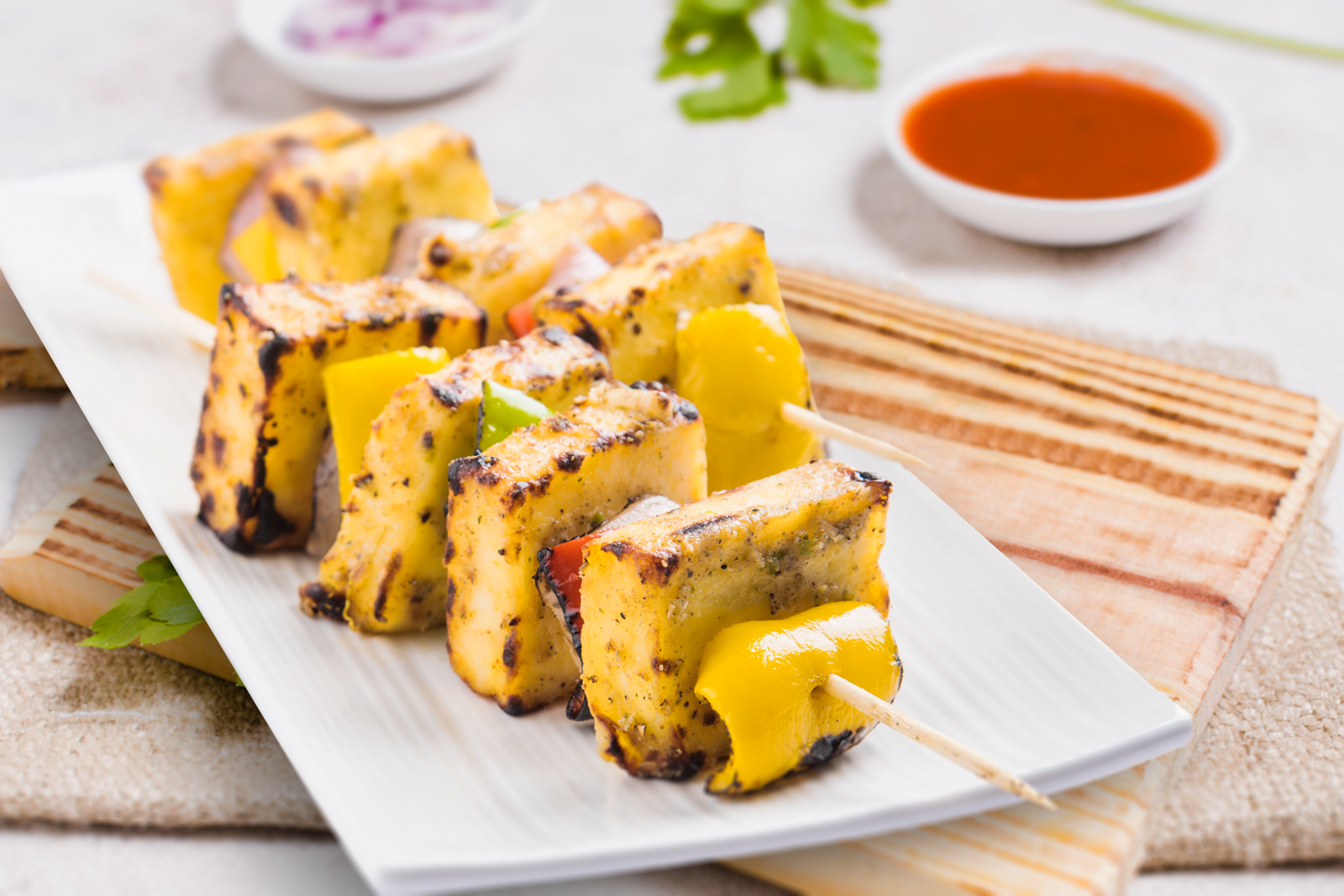
Do Paneer and Cheese Count as Vitamin B12 Sources?
Milk and curd can contribute meaningful amounts of vitamin B12 to a vegetarian diet, although the actual amount depends on the product and serving size. Cheese also contains vitamin B12, but its concentration varies by type. Paneer should be assessed using suitable Indian-specific food-composition data rather than assuming that values reported for other cheeses apply directly to it.
For everyday meal planning, include milk or curd if they fit your diet, and treat paneer and cheese as foods that may contribute to your vitamin B12 intake rather than guaranteed sources of a specific amount. When product-specific nutrient information is available, use it to estimate your intake more accurately. If you consume little or no dairy, consider reliably fortified foods or an appropriate supplement instead of depending on uncertain food values to meet your vitamin B12 needs.
Can You Get Vitamin B12 from Plant-Based Foods?
Ordinary plant foods such as dal, cereals, vegetables, fruits, nuts, seeds and sprouts are not reliable natural sources of vitamin B12. Although some plant-based and fermented foods are promoted online as B12 sources, their vitamin B12 content and biological activity can vary. Finding B12-like compounds in a food does not necessarily mean that it provides enough biologically active vitamin B12 to meet daily requirements.
What about commonly discussed foods?
- Spirulina and some seaweeds: May contain B12-like compounds that are not necessarily biologically active. They should not be relied on to meet vitamin B12 requirements.
- Mushrooms: Some varieties may contain small or variable amounts, but they are not dependable sources for meeting daily needs.
- Tempeh and other fermented foods: Fermentation does not automatically produce a reliable amount of active vitamin B12.
- Idli and dosa: Fermented batter should not be considered a dependable source of vitamin B12.
- Sprouts and vegetables: These are nutritious foods, but they should not be relied on for vitamin B12. Deliberately consuming soil or unwashed produce is not a safe way to obtain it.
- Fortified foods: These are different because vitamin B12 is added during production. Check the nutrition label to confirm the amount per serving.
For practical purposes, people who consume dairy can include milk, curd and other suitable dairy products in their diet. Those following a vegan diet should choose reliably fortified foods or an appropriate B12 supplement. People with a diagnosed deficiency may require medical treatment, depending on its severity and cause.
Should Vegetarians Take a Vitamin B12 Supplement?
Vegans generally need a reliable source of vitamin B12 from fortified foods or supplements, as ordinary plant foods are not dependable sources. For lacto-vegetarians and lacto-ovo vegetarians, the need for supplementation depends on their dairy and egg intake, B12 status and ability to absorb the vitamin. Consult a healthcare professional if you are unsure whether your diet provides enough.
Milk and curd can be affordable B12 sources, but their content varies. If your intake is inconsistent, a supplement may provide a more predictable amount and can be cost-effective. Older adults and people taking medicines such as metformin or certain acid-reducing drugs may have a higher risk of deficiency.
Considering a supplement? Compare the dosage and cost per serving, and seek medical advice if you have a diagnosed deficiency. Explore a vitamin B12 supplement.
(Disclosure: Vitaroxi may earn a commission from qualifying purchases made through affiliate links, at no extra cost to you.)
Frequently Asked Questions
1. Which Indian vegetarian foods contain vitamin B12?
Milk, curd and certain other dairy products can contribute B12. Fortified foods can also provide it. Exact amounts vary by product, and not all foods commonly described as vegetarian sources have reliable B12 values.
2. Can I get enough vitamin B12 from dal, rice and vegetables?
No. Ordinary dal, rice and vegetables are not dependable sources of naturally occurring vitamin B12. A varied plant-based diet is valuable for many nutrients, but B12 needs separate attention.
3. Is curd a good source of vitamin B12?
Curd can contribute vitamin B12, but the amount depends on its composition and preparation. Avoid assuming that every serving of homemade or commercial curd contains the same amount.
4. Is fortified nutritional yeast a source of vitamin B12?
Yes, when vitamin B12 has been added to the product. Unfortified nutritional yeast should not be assumed to provide a dependable amount. Check the product label.
5. Can spirulina or seaweed replace a vitamin B12 supplement?
No. Their B12 content and biological activity can be uncertain, so they should not be relied on to meet B12 requirements.
6. Can milk alone correct vitamin B12 deficiency?
Not necessarily. Milk contributes B12, but an established deficiency may require specific treatment. Consult a healthcare professional for assessment and appropriate management.
7. What is the daily vitamin B12 requirement for adults?
The US NIH RDA is 2.4 µg per day, while ICMR-NIN's 2020 adult reference value is 2.2 µg per day. These are dietary reference values, not treatment doses for people who already have a deficiency.
Conclusion
Vitamin B12 deserves particular attention in Indian vegetarian diets because ordinary plant foods are not dependable natural sources. Milk, curd and other dairy products can contribute B12 for people who consume them, while fortified foods and appropriate supplements provide alternatives for those who avoid animal-derived foods.
The amount you obtain depends on what you eat, the serving size and the actual B12 content of each product. Avoid relying on unverified claims about spirulina, seaweed, sprouts or fermented foods. If you suspect a deficiency, seek medical assessment rather than assuming that dietary changes alone will be enough.
Not sure whether your diet provides enough vitamin B12? Use our Nutrient Gap Calculator to identify potential nutrient gaps, explore the Diet Budget Planner for budget-friendly meal ideas, or read our complete guide to Vitamin B12-Rich Foods in India to discover which foods can help you increase your intake.
References
National Institutes of Health, Office of Dietary Supplements. Vitamin B12: Fact Sheet for Health Professionals. https://ods.od.nih.gov/factsheets/VitaminB12-HealthProfessional/
ICMR–National Institute of Nutrition. Nutrient Requirements for Indians: Recommended Dietary Allowances and Estimated Average Requirements, 2020. https://nin.res.in/
Naik S, et al. Daily milk intake improves vitamin B-12 status in young vegetarian Indians: an intervention trial. Nutrition Journal. 2013. https://pmc.ncbi.nlm.nih.gov/articles/PMC3851996/
Nutrition information is for educational purposes and is not a substitute for individual medical advice.