Omega-3 vs Omega-6: What's the Difference?
For the Indian thali and the global dinner table — here’s what these essential fats are actually doing in your body.
If you’ve ever wondered about omega-3 vs omega-6 and which one you actually need more of, you’re not alone. Both are essential omega-3 fatty acids and fats your body cannot produce on its own — yet most people eating a modern Indian or Western diet consume far too little omega-3 and far too much omega-6, throwing the omega-3 omega-6 ratio dangerously out of balance. Whether you’re looking for the best omega-3 rich foods in India — from alsi (flaxseeds) to hilsa fish — or wondering which is the best cooking oil for omega-3, or even searching for omega-3 sources for vegetarians, this guide covers it all, simply and practically.
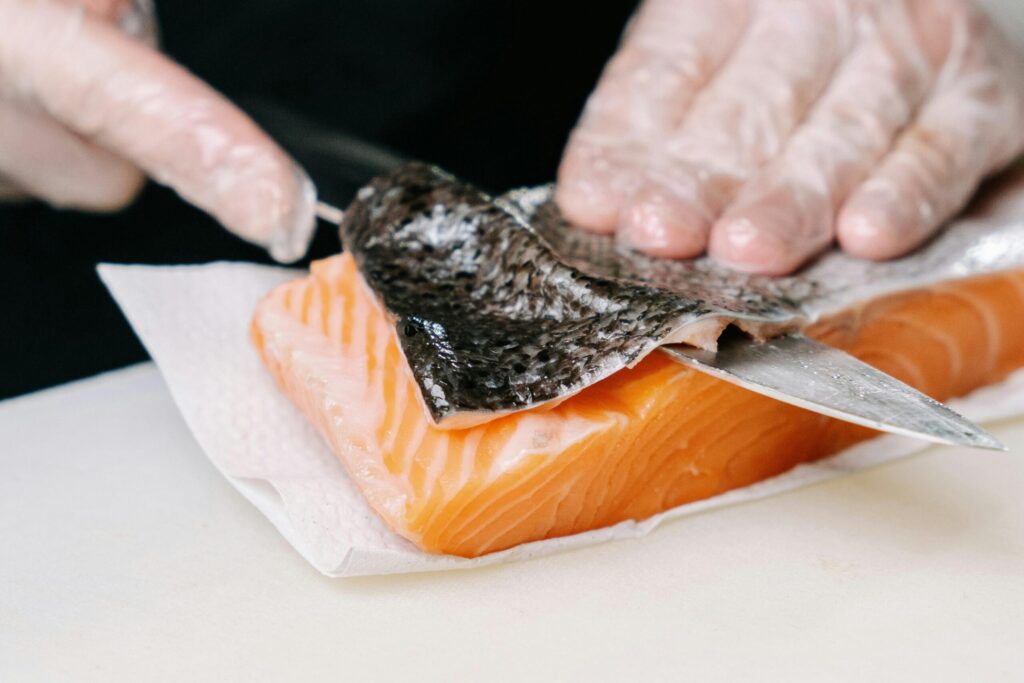
First, what are these fats?
Omega-3 and omega-6 are both polyunsaturated fatty acids — meaning they stay liquid at room temperature and carry out critical functions in your body. The number (3 or 6) just marks where the first double bond falls in their carbon chain. That small chemical difference creates dramatically different effects.
Both are called “essential” for one simple reason: your body cannot make them on its own. Every milligram must come from your food or supplements.
Omega-3 is like a firefighter for the body; it stops inflammation. When danger comes, omega-6 sets off the alarm and starts the fire. You need both of these. The problem is that the alarm never stops going off.
What omega-3 does
Omega-3s are polyunsaturated fatty acids that do some of the most important work in your body — building cell membranes, fuelling your brain, regulating your heartbeat, and calming inflammation. There are three key types. ALA (alpha-linolenic acid) is found in plant foods like flaxseeds, walnuts, and chia seeds. Your body can convert it into the active forms, but only at a low efficiency — roughly 5–15%. EPA (eicosapentaenoic acid) directly reduces inflammation and protects cardiovascular health. DHA (docosahexaenoic acid) forms the structural backbone of brain tissue and the retina. EPA and DHA are found primarily in fatty fish and algae.
What omega-6 does
Omega-6s, led by linoleic acid (LA), are primarily found in vegetable and seed oils — sunflower, corn, soybean, refined groundnut. Your body converts LA into arachidonic acid, which fuels the immune response and triggers inflammation. In the right doses, this is vital. In excess, it keeps inflammation chronically elevated — quietly contributing to heart disease, metabolic syndrome, and joint problems.
Omega-3 vs omega-6: what's the real difference?
| Feature | Omega-3 | Omega-6 |
|---|---|---|
| Primary role | Anti-inflammatory | Pro-inflammatory |
| Key types | ALA, EPA, DHA | LA, GLA, AA |
| Best sources | Salmon, sardines, flaxseeds, walnuts | Sunflower oil, corn oil, soybean oil |
| Modern diet status | Typically too low | Typically excessive |
| Both compete for | The same enzymes — excess omega-6 crowds out omega-3 | |
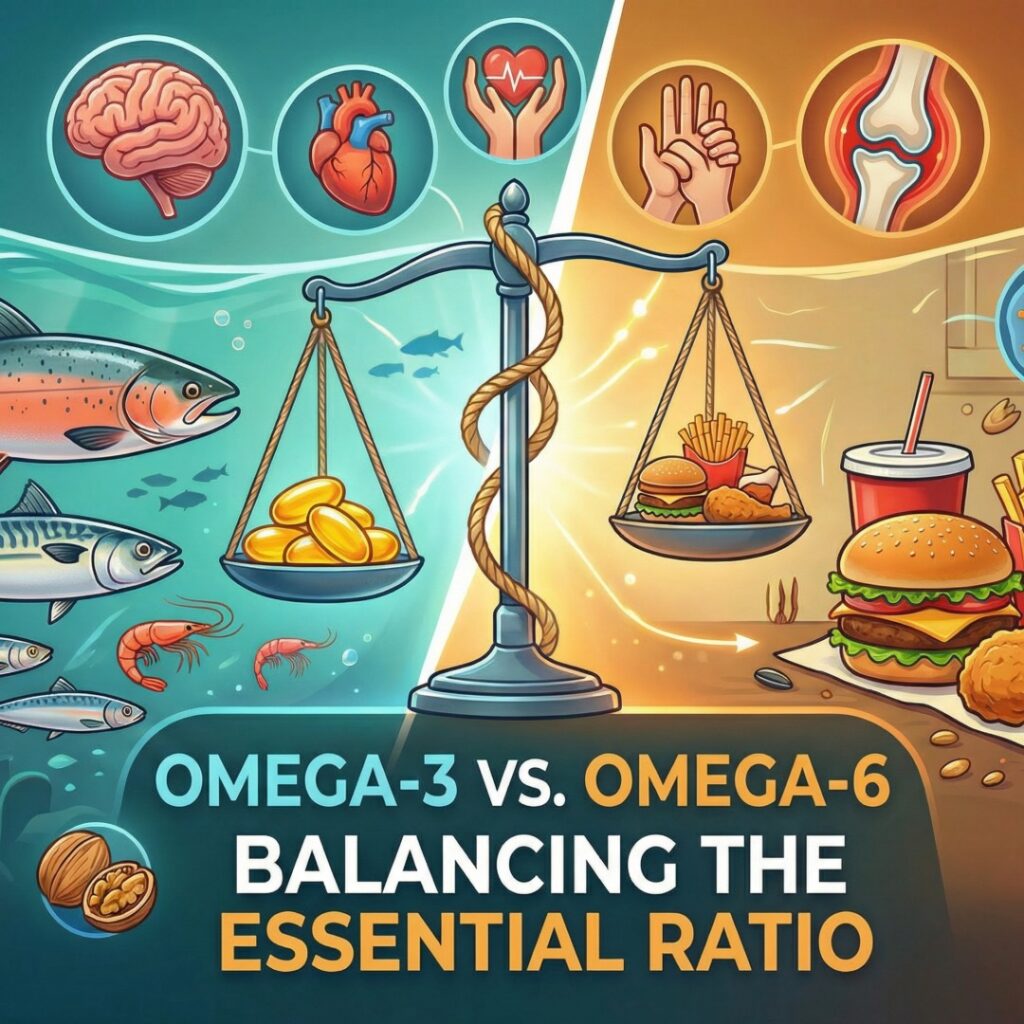
“Omega-3 and omega-6 compete for the exact same enzymes. The more omega-6 you flood in, the less room omega-3 has to do its job.”
The omega-3 to omega-6 ratio: why it matters — and the real numbers
The ratio between omega-6 and omega-3 in your diet is not just a number — it controls how your immune system behaves, how your arteries age, and how well your brain functions over time. And the figures for India, in particular, are far worse than most people realise.
Omega-6 and omega-3 fatty acids compete for the exact same set of enzymes in your body — the ones that convert them into signalling molecules. When omega-6 floods in, those enzymes are occupied producing pro-inflammatory compounds. Omega-3, even when present, gets crowded out. The result is a body chronically tilted toward inflammation — not the acute, useful kind that fights infection, but the slow, low-grade kind linked to heart disease, type 2 diabetes, and certain cancers.
The ratio isn’t just a dietary curiosity. Research shows a ratio of 4:1 was associated with a 70% decrease in total mortality in secondary prevention of cardiovascular disease. A ratio of 2–3:1 suppressed inflammation in rheumatoid arthritis patients. The ratio of 10:1 had adverse effects on the same patients.
Understanding the Shift in Omega-6 to Omega-3 Ratios
Modern diets have significantly altered the balance between omega-6 and omega-3 fatty acids compared to what humans likely consumed during evolution. While ancestral diets are estimated to have a near 1:1 ratio, traditional rural diets in India and Mediterranean regions still maintain relatively balanced ranges due to the use of mustard oil, olive oil, and regular fish intake. In contrast, modern Western and urban Indian diets often show a much higher ratio, sometimes exceeding 20:1, largely driven by processed foods and refined vegetable oils such as soybean and sunflower oil. This imbalance is associated with increased inflammation and long-term health risks, making it important to consciously include omega-3-rich foods like flaxseeds, walnuts, and fatty fish in daily diets.
What Specific Omega-6 to Omega-3 Ratios Mean for Disease Risk
The ratio of omega-6 to omega-3 fatty acids plays a critical role in determining inflammation levels and long-term disease risk. Ratios close to 1:1 to 4:1 are associated with optimal health, supporting heart function, brain health, and reduced inflammation. As the ratio increases to 10:1 or higher, the body tends to shift toward a pro-inflammatory state, which may contribute to conditions such as cardiovascular disease, obesity, and metabolic disorders. Extremely high ratios, often seen in modern diets exceeding 20:1, are linked with a greater risk of chronic diseases due to excessive omega-6 intake and insufficient omega-3 consumption. Maintaining a balanced ratio through better food choices can significantly reduce these risks and improve overall health outcomes.
The data does not say omega-6 is harmful on its own — both fats are beneficial from whole food sources. The damage comes from industrial seed oils delivering concentrated omega-6 while omega-3 intake sits near zero. Fixing the ratio does not require removing any food group; it requires adding omega-3 deliberately and replacing refined seed oils with traditional fats.
Best omega-3 rich foods in India (and globally)

Flax Seeds: The Omega-3 Ratio Specialist
Flax seeds are one of the richest plant sources of ALA (Alpha-Linolenic Acid). With an exceptional Omega-3 to Omega-6 ratio, they are a powerful tool for reducing inflammation and maintaining a balanced, heart-healthy diet.
Check Price on Amazon
Walnuts: The Ultimate Omega-Balanced Nut
Unlike most nuts that are excessively high in Omega-6, walnuts offer a unique, health-promoting ratio. Packed with antioxidants and ALA, they support cognitive function and cardiovascular wellness in every handful.
Check Price on AmazonOmega-3 sources for vegetarians — what really works
India has a large vegetarian population, and the omega situation for vegetarians is genuinely difficult. ALA from flaxseeds and walnuts is accessible, but the body’s conversion to EPA and DHA is limited to 5–15%. Research consistently shows vegetarians and vegans have lower blood levels of EPA and DHA than fish eaters — even when ALA intake is adequate.
The practical solution has two parts: maximise ALA intake daily (ground flaxseeds, walnuts, chia, mustard oil), and consider an algae-based omega-3 supplement for direct EPA and DHA. Algae supplements are now available online in India and are the most scientifically sound solution for vegetarians who want pre-formed omega-3.
Which Cooking Oil is Best for Omega Balance?
Choosing the right cooking oil can significantly improve your omega balance without changing your entire diet.


Mustard Oil: More Than Just Flavor
High in Monounsaturated Fatty Acids (MUFA) and Alpha-Linolenic Acid (ALA), Mustard Oil is a powerhouse for cardiovascular wellness. Its superior Omega-3 content makes it a smarter choice for those looking to balance their daily fat intake without compromising on taste.
Canola Oil: The Neutral Omega-3 Powerhouse Description:
If you need a high-smoke point oil with a neutral taste, Canola is a top-tier choice. Like mustard oil, it is exceptionally low in saturated fat and boasts a healthy Omega-6 to Omega-3 ratio (about 2:1), making it one of the most heart-friendly oils for everyday cooking.
Simple & Flexible Diet Pattern to Improve Omega-3 Intake
Frequently Asked Questions (FAQs)
1. What is the ideal omega-6 to omega-3 ratio?
The ideal ratio is generally considered to be around 1:1 to 4:1. Modern diets often exceed 10:1 or even 20:1, which may promote inflammation and increase the risk of chronic diseases.
2. Why is a high omega-6 to omega-3 ratio harmful?
A high ratio can lead to a pro-inflammatory state in the body. This imbalance is associated with conditions such as heart disease, obesity, and metabolic disorders when maintained over time.
3. Which foods are the best sources of omega-3?
The best sources include fatty fish (mackerel, sardines, salmon) for EPA and DHA, and flaxseeds, chia seeds, and walnuts for ALA. A combination of both is recommended.
4. I'm vegetarian — can I get enough omega-3 without fish?
With effort, yes. Eat ground flaxseeds, walnuts, and chia seeds daily for ALA, and cook in mustard oil instead of sunflower oil. The missing piece is EPA and DHA — for these, algae-based omega-3 supplements are the only vegetarian source that provides them directly, without relying on the body’s inefficient conversion.
5. Which cooking oil is best for omega balance?
Mustard oil and canola oil offer a better omega-6 to omega-3 ratio compared to refined oils like sunflower or corn oil, which are high in omega-6.
6. How often should I eat fish for omega-3?
Eating fatty fish 2–3 times per week is generally recommended to meet EPA and DHA requirements.
7. How much omega-3 should I aim for daily?
For ALA: 1.1–1.6g/day (Dietary Guidelines for Americans 2020–2025). For EPA+DHA: most health bodies recommend 250–500mg/day for general health. If you eat fatty fish twice a week, you’re likely covered for EPA+DHA. If not, supplementation makes practical sense.
8. Does cooking destroy omega-3 in food?
Heat degrades omega-3, particularly ALA in flaxseed oil. Never cook with flaxseed oil — use it cold in chutneys or dressings. Ground flaxseeds baked into roti at moderate temperatures retain most of their ALA. Fatty fish retains much of its EPA and DHA through steaming, grilling, or curry cooking. Deep frying at very high temperatures causes greater loss.
9. Should I take a fish oil supplement?
If you eat fatty fish 2–3 times a week, probably not needed. If you don’t — which is most urban Indians — a quality fish oil or algae-based supplement providing 500–1000mg of EPA+DHA per day is practical. Look for third-party tested brands. Avoid supplements with vague “omega-3” content that doesn’t specify EPA and DHA separately.
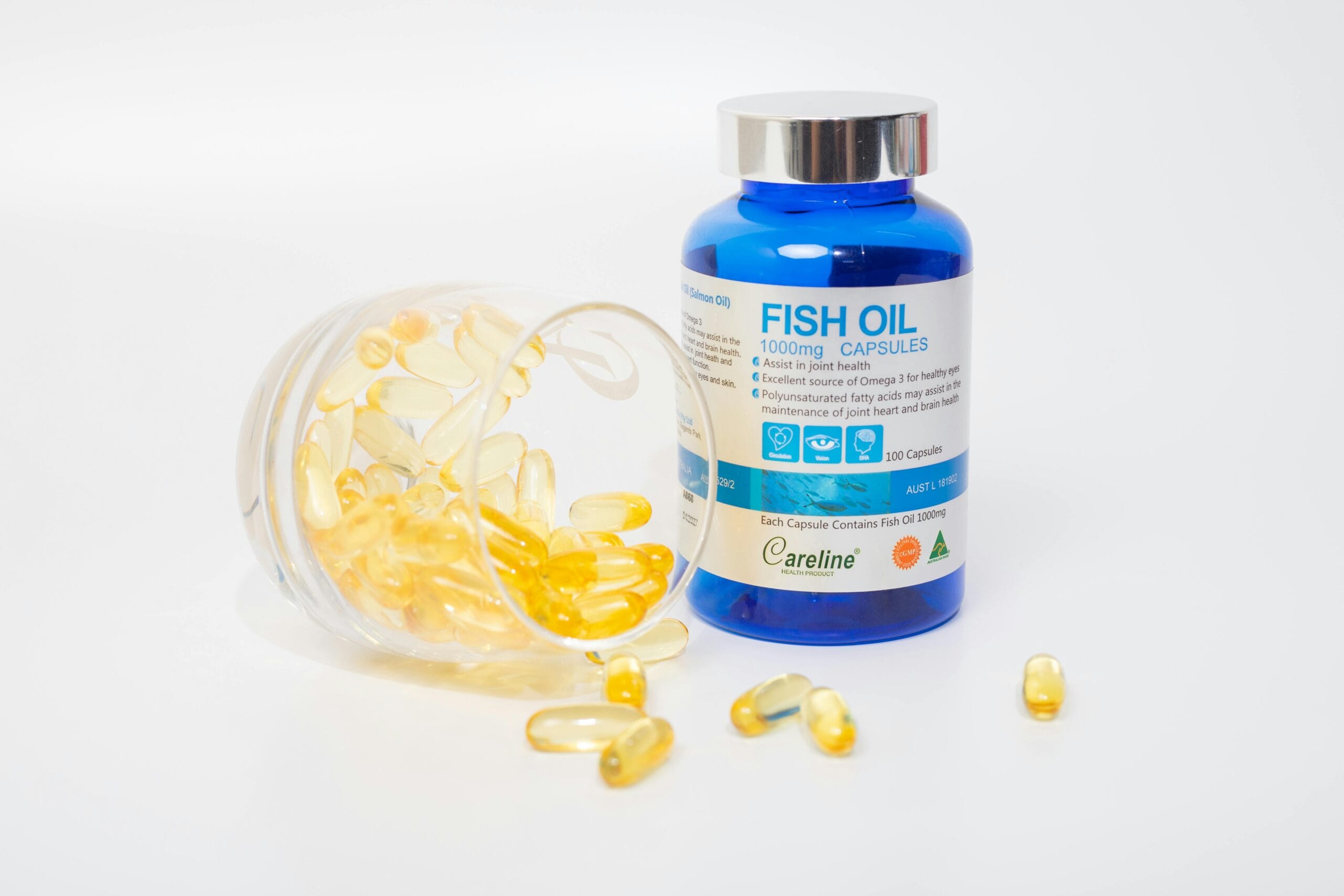
Essential Omega-3s for Daily Wellness (Fish Oil)
Fish oil is one of the most researched supplements for reducing inflammation and supporting cardiovascular health. It’s an easy way to get the healthy fats your body can't produce on its own.
Check Price on Amazon
Algal Oil: The Eco-Friendly Omega-3
Looking for a clean, burp-free alternative to fish oil? Algal oil offers superior absorption and is perfect for vegans or those with seafood sensitivities who still want elite brain and heart support.
Check Price on AmazonReferences
- Artemis P. Simopoulos – Omega-6/Omega-3 ratio and health
- National Institutes of Health – Omega-3 Fact Sheet
- Food and Agriculture Organization – Fats & Fatty Acids Report
- Indian Council of Medical Research – Dietary Guidelines for Indians
- USDA – FoodData Central