Broccoli vs Cauliflower: Which Is Healthier?
Cauliflower feels Indian. Broccoli feels foreign.
But historically, that distinction doesn’t really hold up. Neither vegetable is native to India. Both came from outside the subcontinent, yet cauliflower has been part of Indian kitchens for generations, while broccoli is still often labelled an “exotic” vegetable.
That makes the broccoli vs cauliflower debate more interesting than simply asking which one is healthier. Broccoli does have higher amounts of several nutrients, including vitamin C and vitamin K. Cauliflower, however, is more affordable, widely available, and deeply rooted in Indian cooking.
So which one actually deserves a place on your plate? Let’s compare their nutrition, health benefits, fibre, protein, cooking uses, availability, and price in India to find out where each vegetable has the advantage.
Table of Contents
What Are Broccoli and Cauliflower? Origins and Why the "Exotic" Label Doesn't Fit Broccoli Alone
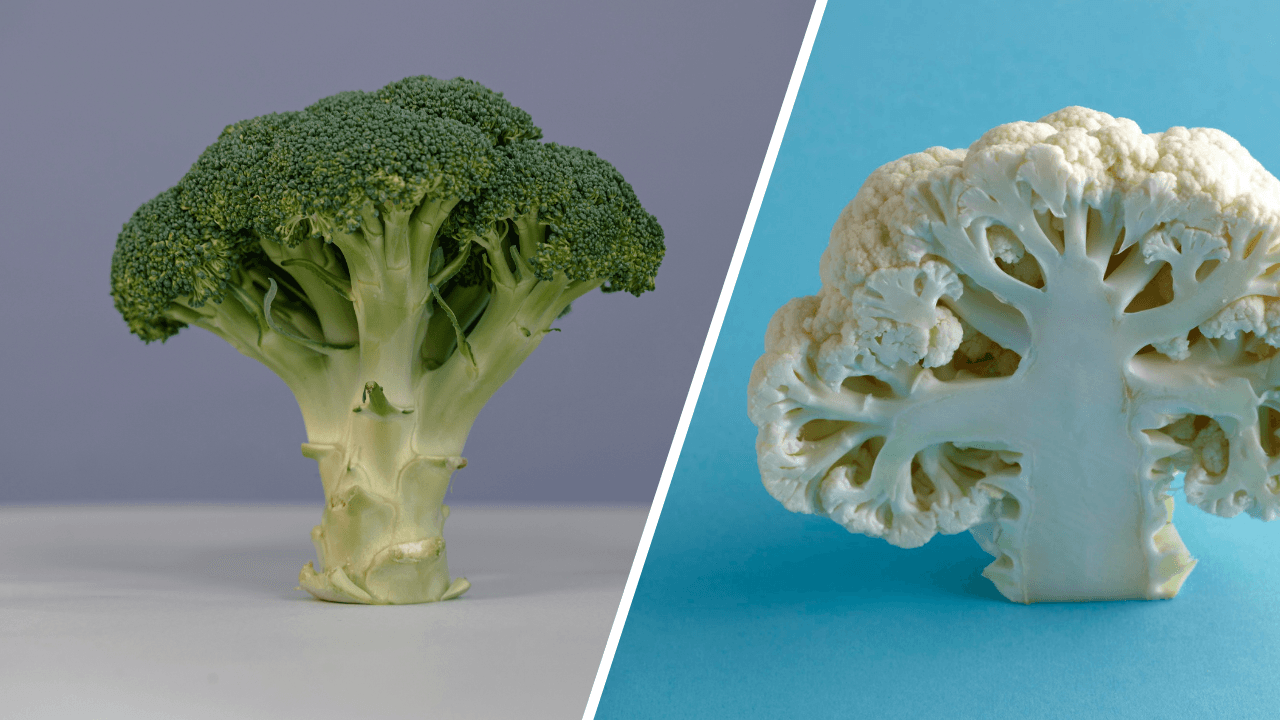
Both broccoli and cauliflower belong to the same species, Brassica oleracea, but are different cultivar groups. Broccoli belongs to the italica group, while cauliflower belongs to the botrytis group. What looks like a head of tightly packed green, purple, or white flower buds on broccoli, and a dense white curd on cauliflower, are in both cases undeveloped flower structures of the same plant, shaped by generations of selective breeding.
Neither vegetable is native to India. Cauliflower originated in the Mediterranean region, with Cyprus often cited as an early center of cultivation, and reached the Indian subcontinent through European trade and colonial agriculture. It became commercially established in India during the colonial period. Broccoli has an Italian-Mediterranean origin and arrived in India later, gaining wider commercial availability mainly in the late 20th century.
The common assumption that cauliflower is a “desi” vegetable while broccoli is exotic does not hold up historically. Both are introduced crops. Cauliflower simply had several more centuries to become part of Indian cooking, long enough that aloo gobi now feels ancestral.
Types of Broccoli Available in India — Including Nutritional Differences
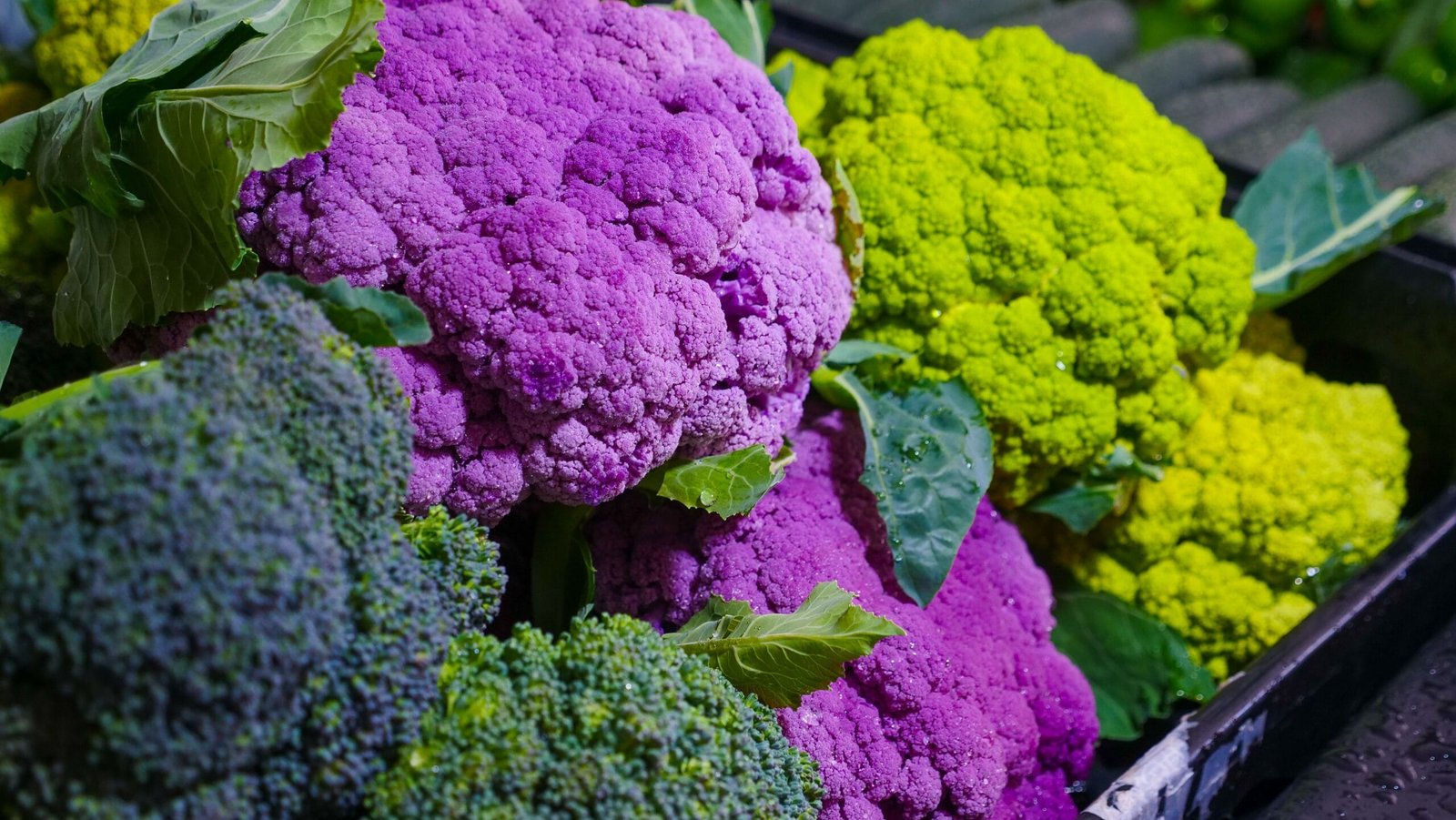
Not all broccoli on Indian shelves is the same variety. Green Calabrese dominates, but other types show up occasionally — and each can have a somewhat different nutritional and phytochemical profile.
Green broccoli (Calabrese) — The standard type, named after Calabria in southern Italy. It has a dense central head with thick, edible stalks. This is the most widely cultivated type in India’s cooler hill regions and northern plains during winter. When Indians say “broccoli,” this is almost always what they mean.
Nutritional specialty: Calabrese is the common reference point for broccoli nutrition research. It contains glucoraphanin, a glucosinolate that can be converted into sulforaphane. Sulforaphane has been extensively studied for its antioxidant and cellular-protective effects and its potential role in cancer prevention, although the evidence does not mean that eating broccoli prevents or treats cancer. Broccoli also provides useful amounts of vitamin C, vitamin K, and folate. One overlooked detail: the stalks, which many people discard, are edible and provide fibre and other nutrients. They are worth eating.
Purple broccoli — Occasionally found in specialty stores and premium supermarkets in larger cities. Its colour comes from anthocyanins, the same class of pigments found in foods such as red cabbage and jamun. The purple colour can fade during cooking.
Nutritional specialty: Purple broccoli provides the glucosinolates and micronutrients found in other broccoli types, while also containing anthocyanins. Anthocyanins have been studied for their effects on inflammation and vascular function, with human trials suggesting potential improvements in some inflammatory markers and measures of vascular function. However, these findings do not mean that eating anthocyanin-rich vegetables guarantees protection against cardiovascular disease. If you want to retain more of its colour and heat-sensitive nutrients, shorter cooking methods such as steaming are preferable to prolonged boiling.
Romanesco — A pale green variety with a distinctive fractal-like spiral pattern. Found sporadically in metro-area stores. Its flavour is generally milder and more similar to cauliflower than standard green broccoli.
Nutritional specialty: Romanesco is a nutritious member of the Brassica oleracea family, but its exact nutritional and glucosinolate profile depends on the cultivar and growing conditions. Research comparing B. oleracea varieties has found substantial differences in the types and concentrations of glucosinolates between cultivars. These compounds are being studied for their potential cellular-protective effects, but their levels can vary considerably between varieties. Romanesco should therefore not be assumed to have exactly the same phytochemical profile as standard Calabrese broccoli.
Broccolini — A hybrid of regular broccoli and Chinese broccoli (gai lan), with slender stalks and smaller florets. Rare in Indian retail, but occasionally seen in premium stores.
Nutritional specialty: Because the thin stalks, leaves, and florets are typically eaten together, there is less food waste than with a traditional broccoli head. Broccolini is nutritionally similar to broccoli, although its exact nutrient and phytochemical profile depends on the cultivar. As with other broccoli types, its glucosinolates are being studied for their potential cellular-protective effects. Its thinner structure also means it generally cooks more quickly than a dense broccoli head. Cooking method matters: experimental studies on broccoli show that prolonged or water-based cooking can cause greater losses of vitamin C and some glucosinolates, while steaming generally preserves more of these compounds.
For cooking, buying, or general nutrition purposes, green Calabrese broccoli remains the practical reference point in India.
Broccoli vs Cauliflower Nutrition: What the Numbers Show
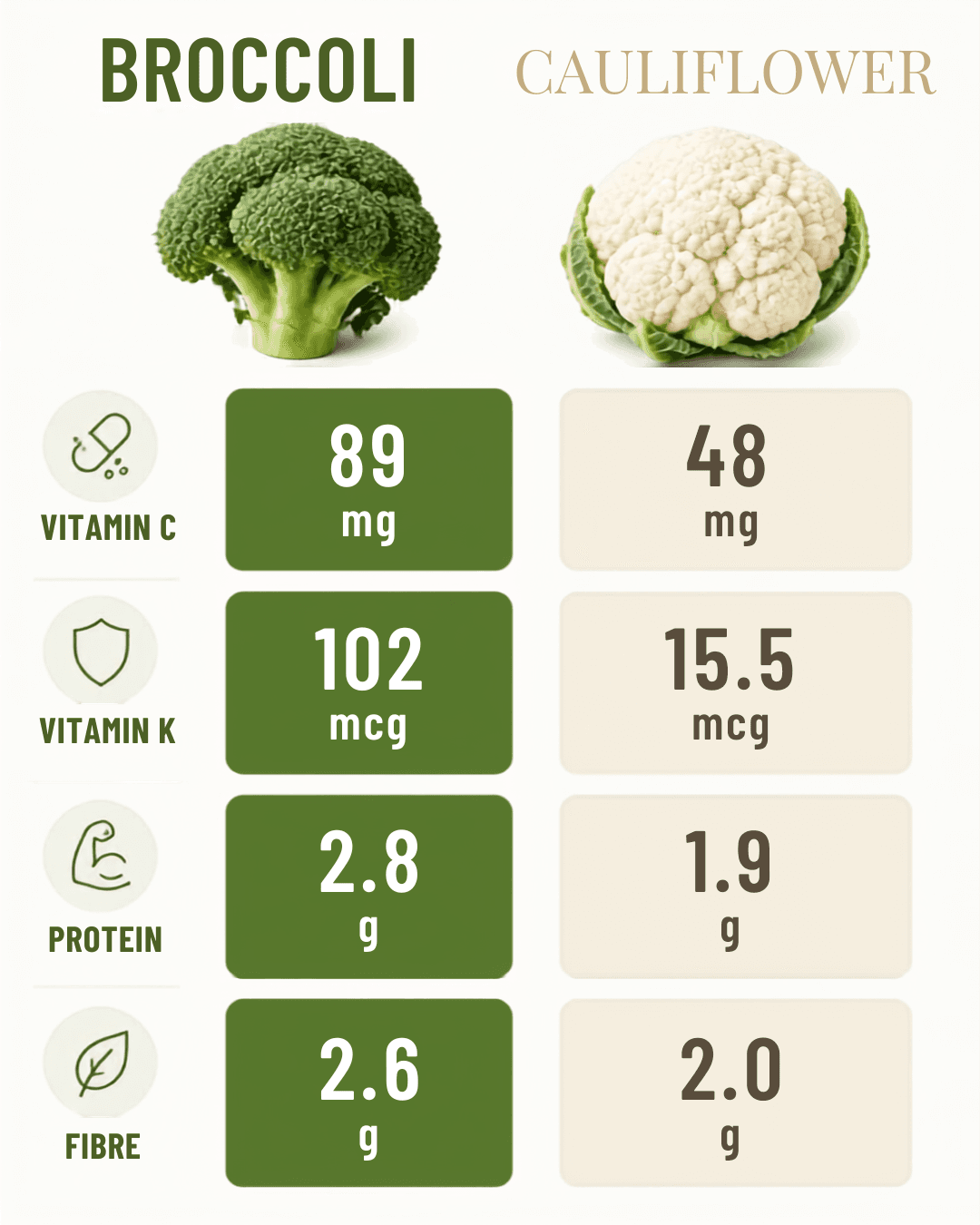
Broccoli provides more of several key nutrients than cauliflower. Per 100 g raw, using USDA FoodData Central for both foods:
| Nutrient | Broccoli | Cauliflower | Unit |
|---|---|---|---|
| Calories | 34 | 25 | kcal |
| Protein | 2.8 | 1.9 | g |
| Carbohydrates | 6.6 | 5.0 | g |
| Dietary Fibre | 2.6 | 2.0 | g |
| Total Fat | 0.4 | 0.3 | g |
| Vitamin C | 89 | 48 | mg |
| Folate | 63 | 57 | µg |
| Vitamin K | 102 | 15.5 | µg |
| Calcium | 47 | 22 | mg |
| Iron | 0.73 | 0.42 | mg |
| Potassium | 316 | 299 | mg |
Source: USDA FoodData Central, raw foods, per 100 g. ICMR-NIN’s IFCT 2017 includes cauliflower, but not broccoli. USDA is therefore used for both foods in this comparison so that the values come from the same food-composition database.
Broccoli comes out ahead on most of the nutrients shown above. The biggest differences are in vitamin C, which is nearly twice as high, and vitamin K, which is more than six times as high. Broccoli also provides more protein, fibre, calcium, and iron per 100 g. Cauliflower, however, is slightly lower in calories and carbohydrates. Both are low-calorie vegetables and useful sources of dietary fibre.
The folate difference is relatively small — 63 µg versus 57 µg per 100 g. Both vegetables can contribute to daily folate intake, although neither should be considered a major source on its own. Folate is particularly important before and during pregnancy because of its role in normal cell division and fetal development. ICMR-NIN’s 2020 recommendations list an RDA of 220 µg DFE per day for adult women.
Is Broccoli a Superfood, Or Is That Overstated?
Broccoli’s nutritional profile is genuinely strong. The numbers support that, and dismissing it as marketing hype entirely would be inaccurate. But the word “superfood” is a marketing term, not a clinical classification. The all-or-nothing framing it creates (“broccoli cures disease” vs “broccoli is overrated”) doesn’t help anyone make a real food choice.
What research does show: broccoli and other cruciferous vegetables contain glucosinolates, which can break down into isothiocyanates, including sulforaphane, when the plant tissue is chopped, chewed, or otherwise damaged. This happens because tissue damage allows glucosinolates to come into contact with the enzyme myrosinase. Some observational studies have associated higher intake of cruciferous vegetables with a lower risk of certain cancers, although the evidence is not consistent enough to conclude that eating broccoli itself prevents cancer. Broccoli is often particularly rich in glucoraphanin, the precursor to sulforaphane, but the amount varies considerably between cultivars. Cauliflower also contains glucosinolates and can contain glucoraphanin, so the difference is not absolute.
Reality check: Cauliflower is not nutritionally inferior just because it doesn’t carry a “superfood” label. Broccoli is not a cure, a detox agent, or a magic vegetable. Both are cruciferous vegetables with legitimate nutritional and potential health contributions. The difference between eating broccoli and eating cauliflower is much smaller than the difference between eating either of them and not eating vegetables at all.
Broccoli vs Cauliflower for Weight Loss
At 34 kcal per 100 g for broccoli versus 25 kcal for cauliflower, neither vegetable is going to meaningfully alter calorie balance on its own. Both are low-calorie foods that can add volume and fibre to a meal without contributing much energy.
Broccoli’s slightly higher protein (2.8 g vs 1.9 g per 100 g) and fibre (2.6 g vs 2.0 g) may make it slightly more filling per serving, although the difference is unlikely to be significant on its own. In practice, for most Indian diets where a large share of calories comes from staples such as rice and wheat, the difference between 34 kcal and 25 kcal from a vegetable side is negligible.
Cauliflower has found a specific niche in lower-carb cooking, including cauliflower rice, cauliflower-based roti, and cauliflower sabzi used as a rice substitute. Its mild flavour and texture make it relatively easy to incorporate into familiar recipes. Broccoli’s stronger flavour and tendency to become soft when overcooked can make it less suitable for some of these substitutions.
For micronutrient density per calorie, broccoli has a clear edge. For cooking flexibility in a weight-management context, cauliflower may be more practical for many Indian kitchens.
Want to see how many calories you need? Try the Vitaroxi Calorie Calculator.
Broccoli vs Cauliflower: Fibre, Gut Health, and Protein
Dietary Fibre and Digestive Health
Broccoli provides 2.6 g of dietary fibre per 100 g, while cauliflower provides 2.0 g. At a typical serving size of 150–200 g, that works out to roughly 3.9–5.2 g for broccoli or 3.0–4.0 g for cauliflower. Both can make a useful contribution toward daily fibre needs.
The fibre in these vegetables supports digestive health in several ways. Insoluble fibre, including cellulose and hemicellulose, adds bulk to stool and helps support regular bowel movements. Soluble and fermentable fibres can be used by gut bacteria and contribute to the production of short-chain fatty acids (SCFAs), including butyrate. Butyrate is an important energy source for colon cells and has been studied for its role in maintaining the intestinal barrier and supporting a healthy gut environment.
Neither vegetable is a major fibre source on its own, but both can contribute meaningfully to a fibre-adequate diet when eaten regularly alongside other vegetables, fruits, whole grains, legumes, nuts, and seeds.
Want to see how much fibre you need? Try the Vitaroxi Daily Fibre Intake Calculator.
Gut Microbiome and Prebiotic Effects
Broccoli and cauliflower contain fibre and other compounds that can interact with the gut microbiome. Some of these compounds are fermented by intestinal bacteria, producing short-chain fatty acids such as acetate, propionate, and butyrate. The composition of the gut microbiome can influence how different plant compounds are broken down and used in the gut.
There is also an interesting connection between the gut microbiome and glucosinolates. When broccoli or cauliflower is chopped or chewed, the plant enzyme myrosinase can help convert glucosinolates into isothiocyanates. Heat can reduce myrosinase activity, but glucosinolates that reach the colon can still be metabolised by gut bacteria. This means cooking does not necessarily eliminate the biological activity of glucosinolates, although it can change how much of their breakdown products are produced and where that conversion takes place.
Reality check: Neither vegetable is a standalone gut-health intervention. Their potential prebiotic and microbiome-related effects are part of a broader dietary pattern. Regularly eating a variety of plant foods provides different types of fibre and phytochemicals, which is generally more useful than relying heavily on one “gut-friendly” food.
Protein
Broccoli provides 2.8 g of protein per 100 g, while cauliflower provides 1.9 g. At a 200 g serving, that means roughly 5.6 g of protein from broccoli compared with 3.8 g from cauliflower.
Neither vegetable should be treated as a major protein source, but broccoli’s higher protein content gives it a small advantage when comparing the two. In a typical Indian meal, however, the main protein contribution is more likely to come from foods such as dal, beans, peas, dairy, eggs, soy, or other protein-rich foods.
The protein difference becomes more noticeable when larger portions are eaten or when several vegetables are combined in a meal. Broccoli provides about 47% more protein per 100 g than cauliflower, so it is the better choice of the two if you want your vegetables to contribute a little more protein to the meal.
Want to see how much protein you need? Try the Vitaroxi Protein Calculator.
Broccoli vs Cauliflower for Specific Health Goals
Immunity and Vitamin C
Broccoli provides approximately 89 mg of vitamin C per 100 g, while cauliflower provides about 48 mg. Both can make a useful contribution to vitamin C intake, which supports normal immune function among many other roles in the body. The advantage goes to broccoli, but vitamin C is sensitive to heat and can be lost during cooking, particularly when vegetables are boiled for longer periods. Steaming or quick stir-frying can help retain more vitamin C than prolonged boiling.
Pregnancy and Folate
The folate difference between the two is relatively small, so pregnant or preconception women should not choose between broccoli and cauliflower on this basis alone. Both can contribute to dietary folate intake, but vegetables should not be relied on as the sole source of folate during pregnancy. Adequate folic acid intake before conception and during early pregnancy is particularly important because it helps reduce the risk of neural tube defects. People planning pregnancy should follow the folic acid recommendations provided by their healthcare professional.
Bone Health and Vitamin K
This is one of the largest nutritional differences between the two vegetables. Broccoli provides approximately 102 µg of vitamin K per 100 g, compared with about 15.5 µg in cauliflower. Vitamin K is involved in blood clotting and bone metabolism, including the activation of proteins involved in bone mineralisation. For someone specifically looking to increase vitamin K intake through vegetables, broccoli is substantially more useful than cauliflower.
Cancer Risk and Glucosinolates
Both vegetables contain glucosinolates, which can break down into biologically active compounds such as isothiocyanates. Cruciferous vegetable consumption has been studied extensively in relation to cancer risk, but the evidence does not establish broccoli as a cancer-preventing food or show that it is clearly superior to cauliflower for this purpose. Both vegetables can be part of a diet rich in a variety of vegetables and other plant foods.
Thyroid and Goitrogens
Broccoli and cauliflower contain compounds that can affect thyroid physiology under certain conditions, particularly when very large amounts of raw cruciferous vegetables are consumed in the context of inadequate iodine intake. For most people eating normal portions as part of a balanced diet, this is not considered a practical concern. Cooking also reduces the activity of some of these compounds. People with a diagnosed thyroid condition should follow advice from their healthcare professional rather than unnecessarily avoiding cruciferous vegetables based on online claims.
Broccoli vs Cauliflower in Indian Cooking
Cauliflower’s advantage in the Indian kitchen is not simply nutritional. It is cultural, culinary, and practical. It has had centuries to become part of regional cooking across the country.
Aloo gobi, gobi paratha, gobi matar, gobi Manchurian, gobi ke pakode, stuffed gobhi and many other dishes do not translate to broccoli as a direct substitute. Cauliflower’s mild, slightly nutty flavour absorbs spices well and holds its texture through longer cooking. Broccoli has a more pronounced flavour and can become soft when overcooked, making it less forgiving in traditional Indian preparations that simmer the vegetable with masala.
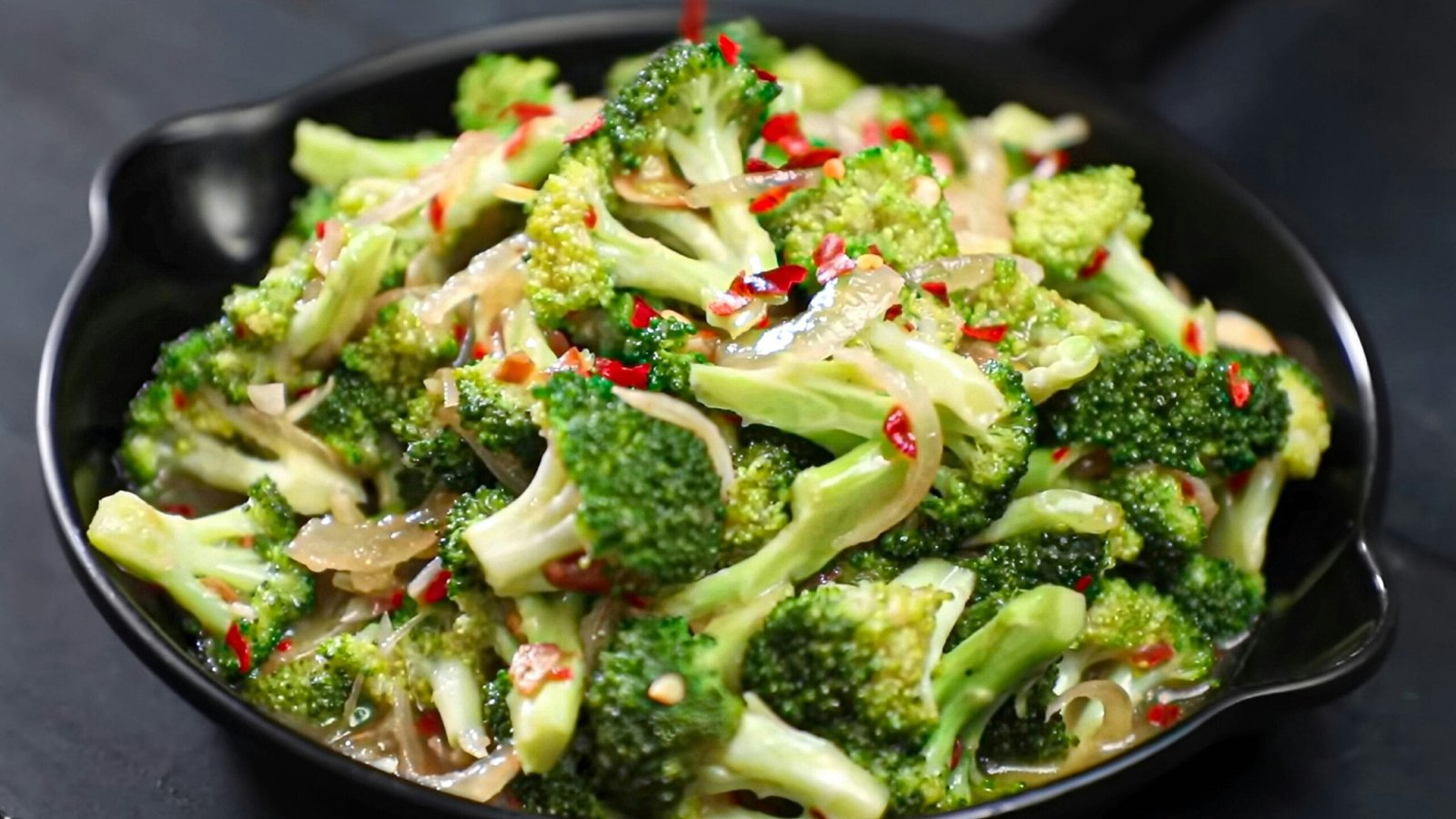
Broccoli works well in stir-fries, quick sautés, soups, and Indo-Chinese-style preparations, especially methods that use high heat for a short time. It can also be eaten raw in salads, although this is less common in traditional Indian cooking.
Broccoli fits particularly well into modern Indian and Indo-Chinese cooking, where quick stir-fries and restaurant-style preparations are common. As Indian cooking continues to evolve and urban households experiment with different vegetables, broccoli is gradually finding a place in everyday meals, but it has not reached cauliflower’s depth of culinary integration.
For traditional Indian dishes, cauliflower remains the more versatile choice. For quick-cooking dishes, salads, and modern stir-fries, broccoli can be just as practical.
Why Broccoli Costs More in India, and What Keeps It That Way
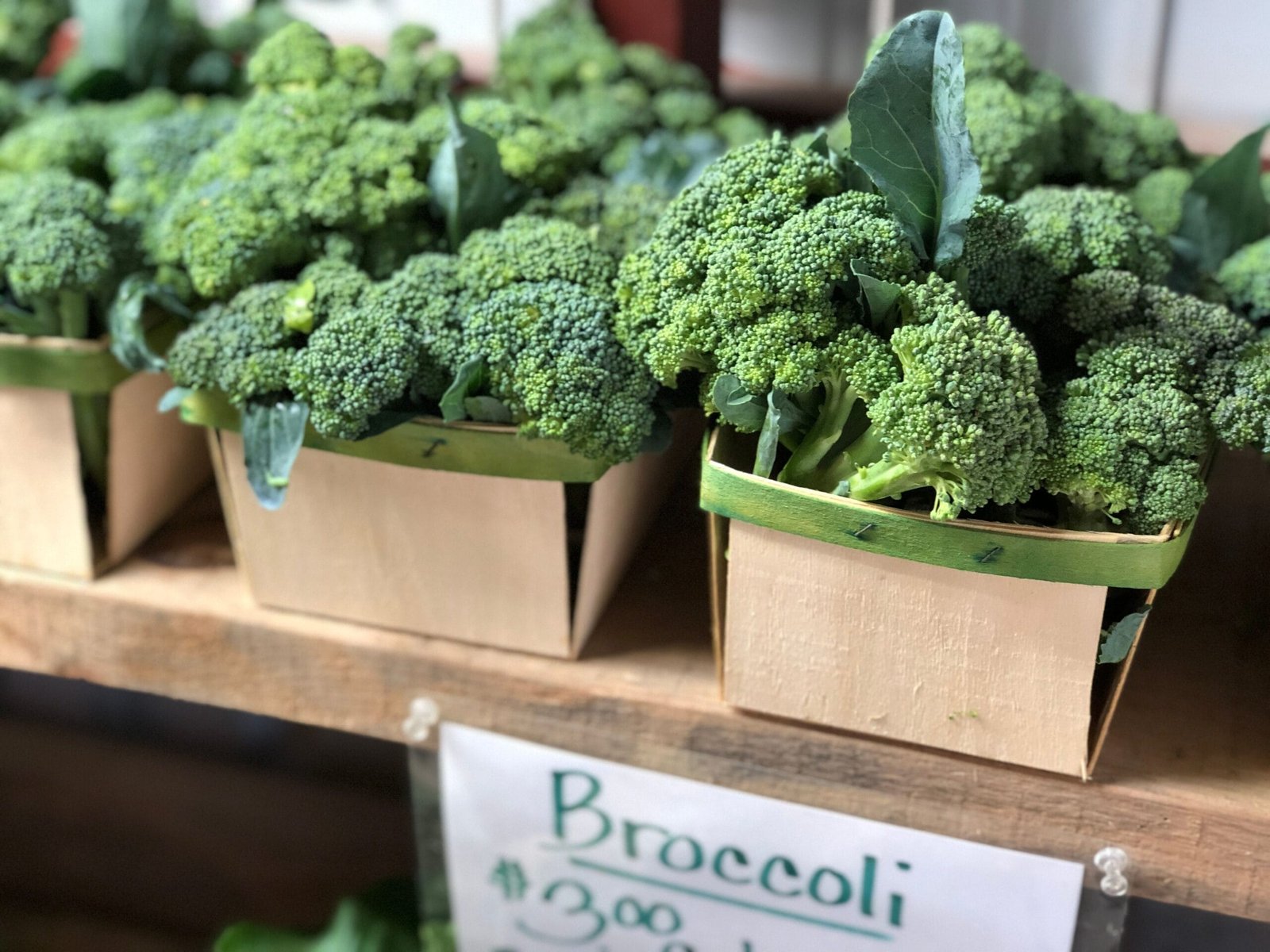
Broccoli typically costs considerably more than cauliflower in Indian retail, although the price difference varies by season, location, and where you buy it. Several factors contribute to the higher retail price.
Climate requirements: Broccoli is a cool-season crop that performs best in relatively mild temperatures, generally around 15–18°C during head development. It is sensitive to heat, which can affect head formation and quality. This limits production during much of the year in India’s warmer plains and makes the timing of cultivation more important. Cauliflower is also a cool-season crop, but its many varieties allow it to be grown across a wider range of conditions and seasons.
Limited farmer adoption: In many rural markets and local mandis, broccoli cultivation remains less common than cauliflower. This creates a reinforcing cycle: farmers are less likely to grow a crop when local demand and market access are uncertain, while consumers have less access when fewer farmers produce it. Cauliflower has decades of established cultivation practices, reliable market demand, and farmer familiarity behind it.
Perceived “exotic” status: Broccoli is often marketed as a premium or aspirational vegetable in Indian retail. This can increase the price consumers are willing to pay and reinforce the perception that broccoli is an expensive, urban vegetable. The higher retail price is not necessarily explained by production costs alone, as distribution, handling, wastage, and retail margins also contribute.
Variety development and market access: Heat-tolerant and locally adapted broccoli varieties are available, and research continues to improve broccoli production under Indian conditions. However, broccoli cultivation and market infrastructure are still less established than those for cauliflower in many parts of the country. Better access to suitable varieties, cultivation knowledge, cold-chain infrastructure, and reliable markets could make broccoli easier and more economical to produce.
These constraints are not permanent. With improved varieties, better production practices, stronger market links, and continued growth in urban demand, broccoli’s availability could increase and its price gap with cauliflower could narrow in some Indian markets. For farmers in suitable growing regions, however, the higher price can also make broccoli an attractive higher-value crop when reliable markets are available.
Broccoli or Cauliflower: Which Should You Choose?
Broccoli has a stronger nutritional profile in several important areas. The data shows higher amounts of vitamin C, vitamin K, protein, calcium, and iron per 100 g.
But the more practical question is what is actually accessible, affordable, and usable in your kitchen.
If broccoli is available and reasonably priced where you are, choose it if you enjoy it. Its nutritional advantages are real, particularly for vitamin C, vitamin K, and protein. For urban households near larger markets or supermarkets, there is no strong reason to avoid it simply because it is considered “exotic” or “not for Indians.”
If broccoli is not accessible, is too expensive to buy regularly, or doesn’t fit how you cook, cauliflower is an excellent choice. It provides meaningful amounts of vitamin C, folate, and dietary fibre. It also integrates naturally into Indian cooking in ways broccoli currently does not. It is generally less expensive and widely available across India, although availability and prices vary by region and season.
A good vegetable choice is one you can eat consistently. For many Indian households, that may still be cauliflower, and there is nothing nutritionally inferior about making it a regular part of your diet.
Frequently Asked Questions
1. Is broccoli healthier than cauliflower?
Broccoli provides more of several key nutrients than cauliflower. Per 100 g, it contains more vitamin C, vitamin K, protein, calcium, and iron. However, cauliflower is also a nutritious vegetable, and the difference between the two is relatively small in the context of an overall balanced diet.
2. Can I use cauliflower instead of broccoli in recipes?
Not always as a direct substitute. Cauliflower has a milder flavour and holds up well in longer-cooked Indian preparations, while broccoli works particularly well in stir-fries, quick sautés, soups, and other shorter cooking methods. For the broader purpose of including cruciferous vegetables in your diet, however, either can be a good choice.
3. Which is better for weight loss, broccoli or cauliflower?
Both are low-calorie vegetables. Broccoli provides slightly more protein and fibre, while cauliflower is slightly lower in calories and carbohydrates. For most people, the practical difference is small. Weight management depends much more on overall calorie intake, food choices, portions, and eating patterns than on choosing broccoli over cauliflower.
4. Is broccoli good for immunity?
Broccoli is a good source of vitamin C, providing approximately 89 mg per 100 g. Cauliflower also provides vitamin C, at around 48 mg per 100 g. Vitamin C supports normal immune function, but neither vegetable prevents or cures infections. Both can contribute to a healthy diet.
5. Are broccoli and cauliflower the same plant?
They belong to the same species, Brassica oleracea, but are different cultivar groups. Broccoli belongs to the italica group, while cauliflower belongs to the botrytis group. Both were developed through generations of selective breeding, resulting in very different-looking vegetables.
6. Is broccoli man-made?
Not exactly. Broccoli was not created in a laboratory. It was developed through generations of selective breeding from wild cabbage relatives. Humans gradually selected plants with desirable traits, such as larger flower heads and edible stems, until forms resembling modern broccoli emerged. So broccoli is human-shaped through selective breeding, rather than "man-made" in the modern genetic-engineering sense.
7. Is cauliflower actually Indian in origin?
No. Cauliflower originated in the Mediterranean region and is not native to India. It was introduced to the Indian subcontinent through European trade and colonial agriculture and later became deeply integrated into Indian cuisine.
8. Does broccoli cause thyroid problems?
Broccoli contains glucosinolates and other compounds that can affect thyroid physiology under certain conditions, as do other cruciferous vegetables such as cauliflower. For most people eating normal portions as part of a balanced diet, this is not considered a practical concern. Cooking can also reduce the activity of some of these compounds. People with a diagnosed thyroid condition should follow advice from their healthcare professional rather than avoiding these vegetables based on online claims.
9. Why is broccoli so expensive in India?
Broccoli is generally more expensive because it is less widely cultivated than cauliflower, has more limited growing conditions in many parts of India, and has a smaller and more premium-oriented market. Distribution, handling, wastage, and retail margins can also contribute to the final price. Cauliflower has a much more established production and distribution network, which generally keeps it more affordable.
10. Does broccoli have more fibre than cauliflower?
Broccoli contains glucosinolates and other compounds that can affect thyroid physiology under certain conditions, as do other cruciferous vegetables such as cauliflower. For most people eating normal portions as part of a balanced diet, this is not considered a practical concern. Cooking can also reduce the activity of some of these compounds. People with a diagnosed thyroid condition should follow advice from their healthcare professional rather than avoiding these vegetables based on online claims.
11. Is broccoli good for gut health?
Broccoli and cauliflower both provide fibre and other compounds that can interact with the gut microbiome. Their fermentable components can contribute to the production of short-chain fatty acids such as butyrate. However, neither vegetable should be treated as a standalone gut-health intervention. A varied, plant-rich diet provides a much broader range of fibres and phytochemicals.
12. Which has more protein, broccoli or cauliflower?
Broccoli has more protein, providing approximately 2.8 g per 100 g compared with 1.9 g for cauliflower. At a 200 g serving, that is roughly 5.6 g from broccoli versus 3.8 g from cauliflower. Neither should be considered a major protein source, but broccoli has the advantage when comparing the two.
13. What are the different types of broccoli?
The most common type in India is green Calabrese broccoli. Purple broccoli and Romanesco are occasionally available, particularly in larger cities and specialty stores. Broccolini, which has slender stalks and smaller florets, is less common in Indian retail. For most everyday cooking and nutrition comparisons, green Calabrese is the practical reference.
The Bottom Line
Broccoli has the nutritional edge in several important areas, particularly vitamin C, vitamin K, protein, calcium, and iron. But nutrition numbers only matter when the food is actually accessible enough to become part of your regular diet.
If broccoli is available at a reasonable price where you live, it is worth choosing regularly if you enjoy it. There is no nutritional reason to avoid it simply because it is considered “exotic.” If it is expensive, difficult to find, or doesn’t fit your cooking habits, cauliflower is the more practical choice. It is affordable, widely available, and already works naturally in Indian meals.
That could change over time. Better varieties, greater farmer awareness, improved cultivation, and stronger markets could make broccoli more accessible across India. If that happens, its place in Indian kitchens may grow beyond its current image as a premium vegetable.
For now, the practical answer is simple: choose broccoli when it is accessible and reasonably priced. Choose cauliflower when it isn’t.
References
- USDA. FoodData Central. Nutrition data for raw broccoli and cauliflower.
USDA FoodData Central - ICMR-NIN. RDA 2020 Brief Note. Used for the Indian folate recommendation.
ICMR-NIN RDA 2020 - PubMed. Research on glucosinolates and broccoli and cauliflower.
Glucosinolate research - PubMed. Research on cooking methods and nutrient retention in broccoli.
Cooking and broccoli research