Complete vs Incomplete Proteins: A Guide for Indian Vegetarians
If you've ever been told "vegetarians don't get enough protein," you've probably also heard the follow-up: "and even the protein you get isn't complete." Fair point — but also, not the full story. Getting complete protein for vegetarians isn't complicated once you understand what "complete" and "incomplete" actually mean — and why your dal-chawal plate is smarter than you think.
First, What Makes a Protein "Complete"?
Protein is built from 20 amino acids. Your body can make 11 of them on its own. The other 9 — called essential amino acids — must come from food.A complete protein contains all 9 essential amino acids in reasonably sufficient amounts. An incomplete protein is missing one or more, or has them in very low quantities.Most animal foods (eggs, milk, paneer, meat) are naturally complete. Most plant foods — the backbone of Indian vegetarian cooking — are usually missing or low in one or two specific amino acids.
The Two Amino Acids Indian Vegetarians Should Know
Almost every plant-based Indian staple falls short on one of these two:
Lysine — low in wheat, rice, and most grains
Methionine — low in lentils, chickpeas, and most legumes
Notice the pattern? Grains are weak where legumes are strong, and legumes are weak where grains are strong. This isn't a coincidence — it's the exact reason Indian food developed the way it did.
Why Dal-Chawal Isn't Just Comfort Food — It's Chemistry
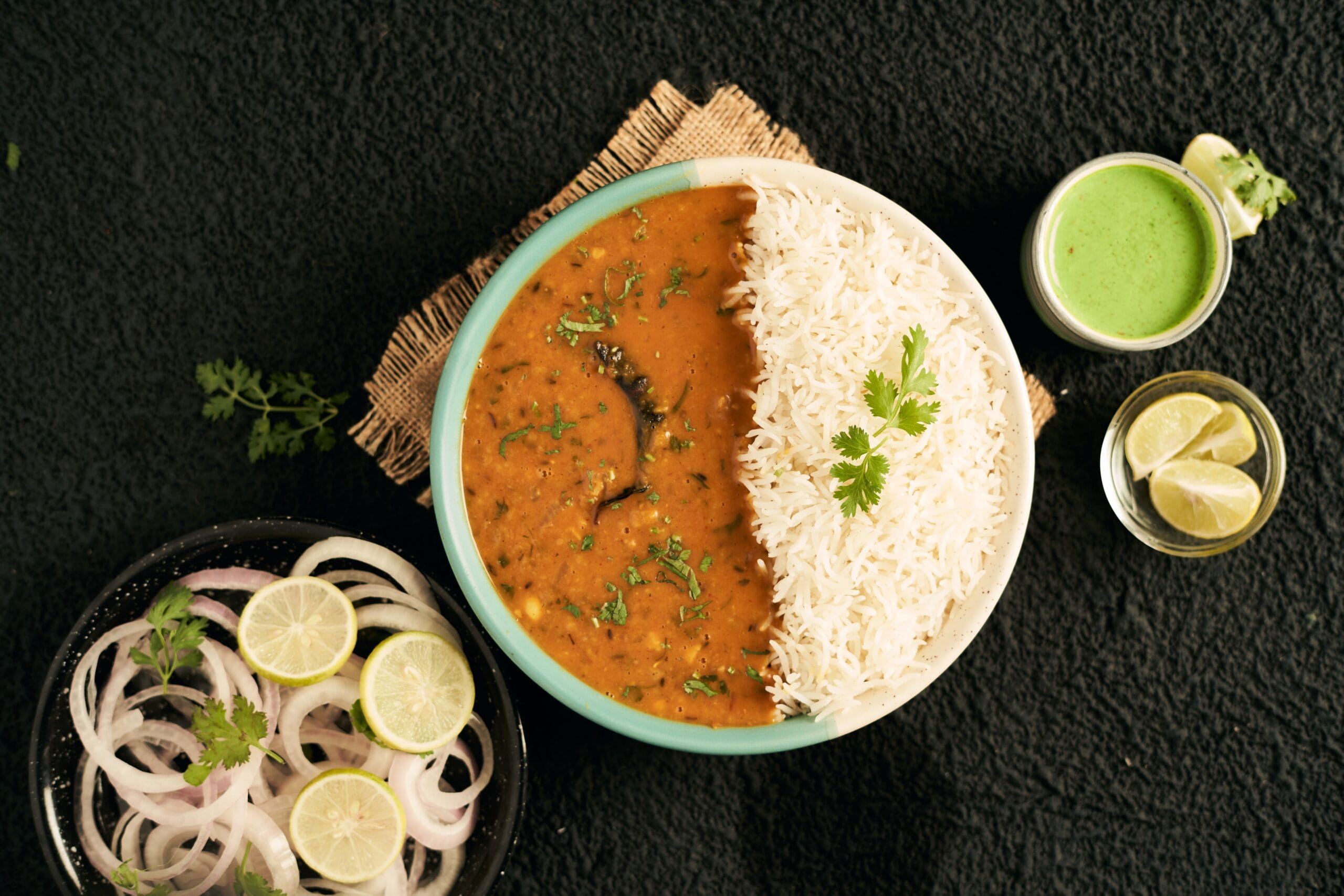
Dal (lentils) is rich in lysine but low in methionine. Chawal (rice) is rich in methionine but low in lysine. Eat them together, and each fills the other's gap. The result is a complete protein profile, just from two humble plant ingredients.
Roti + Dal — wheat's lysine gap, filled by lentils
Rajma + Chawal — kidney beans and rice, a North Indian classic pairing
Idli/Dosa (rice + urad dal batter) — fermented and combined before you even sit down to eat
Khichdi (rice + moong dal) — arguably India's original complete-protein comfort food
Chole + Bhature/Rice — chickpeas paired with a grain
You don't need to eat both in the exact same bite. Research shows your body maintains an amino acid "pool" through the day, so eating grains and legumes at different meals within the same day still gives you the complementary effect.
Do You Need to "Combine" Every Single Meal?
Not really — and this is the part that gets overhyped. If your diet regularly includes a mix of grains, legumes, dairy, nuts, and seeds across the day, you're almost certainly getting all 9 essential amino acids without doing any deliberate math. The dal-chawal logic works in the background of a normal, varied Indian diet.
Where it does matter is if your meals are heavily skewed toward one food group — for example, a diet that's mostly rice and vegetables with very little dal, paneer, or dairy. That's when gaps can actually show up.
Complete Protein Sources Indian Vegetarians Already Have Access To
Two More Things That Matter: Quantity and Availability
"Complete" is about which amino acids are present — but two other factors decide how much protein actually benefits your body.
Quantity — Having all 9 essential amino acids means little if the overall protein amount on your plate is too small. A single bowl of dal has around 7-9g protein; an average adult needs roughly 0.8-1g of protein per kg of body weight per day (higher if you're active or building muscle). This usually means 3-4 solid protein-containing servings spread across the day — not one large dal-chawal meal and calling it done.
Not sure exactly how much protein you need? [Try Vitaroxi's Protein Intake Calculator →] to get your daily target based on your weight, activity level, and goals.
The good news: traditional Indian cooking methods already reduce this problem — soaking, sprouting, fermenting, and pressure-cooking dal all lower phytate content and make protein more absorbable. Idli/dosa batter fermentation and soaking rajma/chole overnight aren't just about taste or cook time; they're doing real nutritional work.
In short: aim for enough total protein through the day (not just "complete" combos in small amounts), and lean on traditional prep methods — soaking, sprouting, fermenting — to get more of that protein actually absorbed.
Frequently Asked Questions
The Simple Takeaway
You don't need protein powders or complicated tracking to eat well as an Indian vegetarian. What you need is variety — a plate that regularly brings together grains, legumes, dairy, and the occasional soy or nut.
Bottom line: Don't fear the word "incomplete." Get the pairing right, eat enough of it, and prepare it the traditional way — and your plant-based plate covers everything your body needs.