Top 10 Pocket-Friendly,
High Protein Foods
Science-backed, bioavailability-corrected ranking of the most efficient proteins in every Indian kitchen — ranked by what your body actually absorbs.
Why Your Dal Isn’t Doing What You Think
Most protein blogs rank foods by raw grams — that’s misleading. 20g of protein from dal and 20g from an egg are not the same. Your body absorbs them differently. This guide uses a Protein Efficiency Score combining raw protein, bioavailability (PDCAAS), and cost per usable gram — the only metric that actually matters.
The ranking looks different. And it’s more honest.
The Science in 60 Seconds
PDCAAS (Protein Digestibility Corrected Amino Acid Score) is the WHO/FAO global standard for protein quality. It measures how complete the amino acid profile is AND how much your body actually digests. A score of 1.0 = perfect. Dal scores 0.52 = your body uses barely half.
Usable Protein = Raw Protein × PDCAAS. This is the number that matters for muscle, recovery, and health — not the label.
1.00
Egg / Chicken
(Perfect)
0.91
(Excellent)
0.68
Chana
(Good)
0.52
Dal / Peanuts
(Moderate)
The newer standard, DIAAS (Digestible Indispensable Amino Acid Score), is even more precise — it measures absorption at the small intestine level and is now recommended by the FAO over PDCAAS. For most practical purposes, the rankings are similar, but DIAAS further lowers the scores of most plant proteins.
The Ranked List
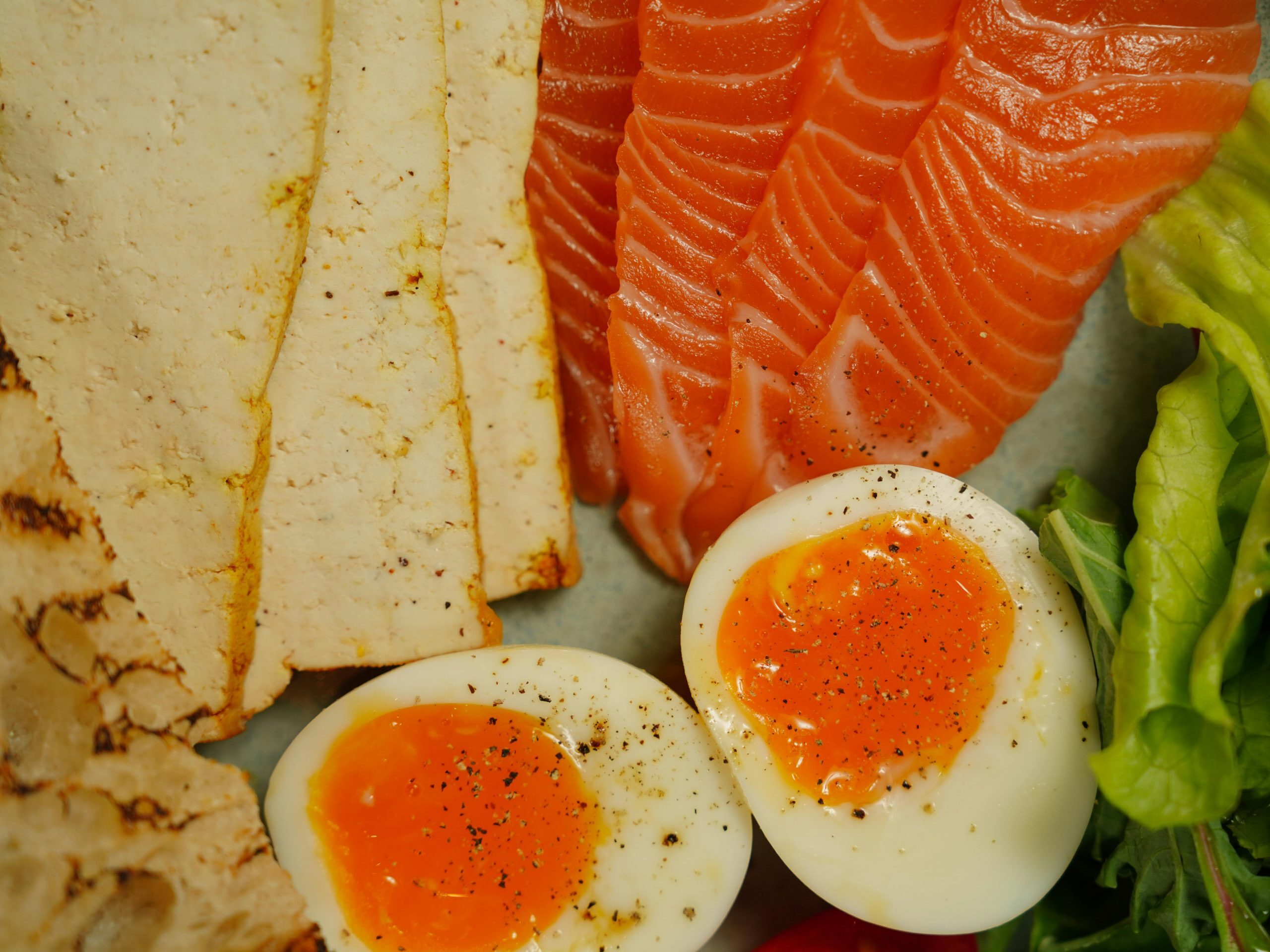
Click each card to expandWith a PDCAAS of 1.0 and a DIAAS that actually exceeds 100%, the whole egg delivers every single gram of protein listed — with zero waste. Two eggs = 12g of perfectly bioavailable protein for ₹15. The yolk contains Vitamins A, D, E, K, B12, and choline — critical for brain health. Eat the whole egg.
Chicken breast delivers 31g of fully usable protein per 100g cooked — the highest of any affordable whole food in India. At ₹180–250/kg, it's cheaper per gram of usable protein than paneer and most lentils. PDCAAS 1.0, digestibility above 95%, and virtually zero fat.
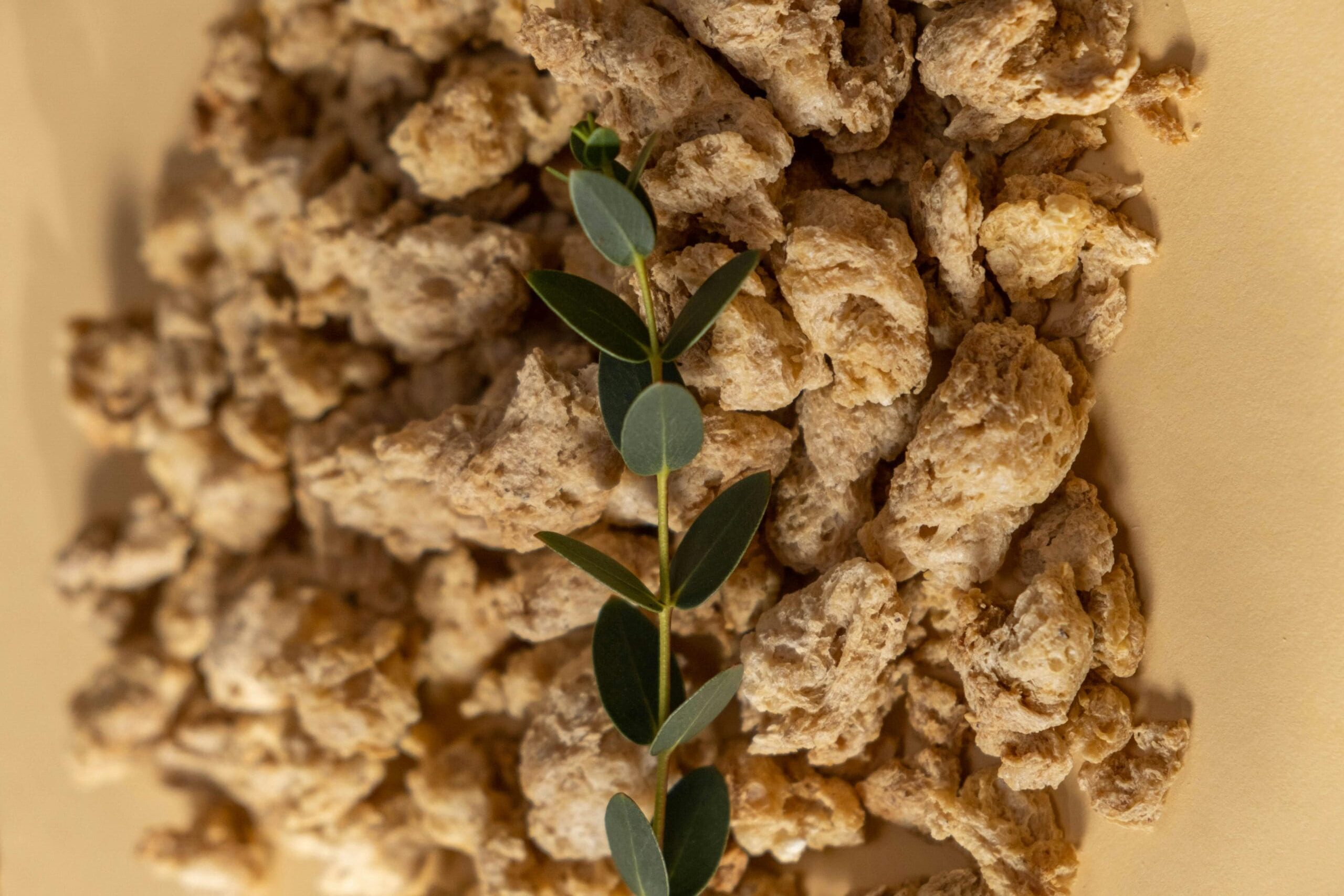
Even with DIAAS at 0.86 (slightly lower due to phytates in textured soy), the raw density is so extraordinary that you still get ~47g of usable protein per 100g for just ₹40–50. Nothing in the plant world comes close. Soaking and squeezing out water before cooking reduces anti-nutritional factors significantly.
Fish protein is among the most bioavailable in the world — DIAAS ~0.95+. Sardines (Pedvey/Mathi) are India's most underrated budget protein at ₹100–150/kg with 21g protein and full bioavailability, plus omega-3 EPA and DHA — the only affordable Indian food with these brain-essential fatty acids.
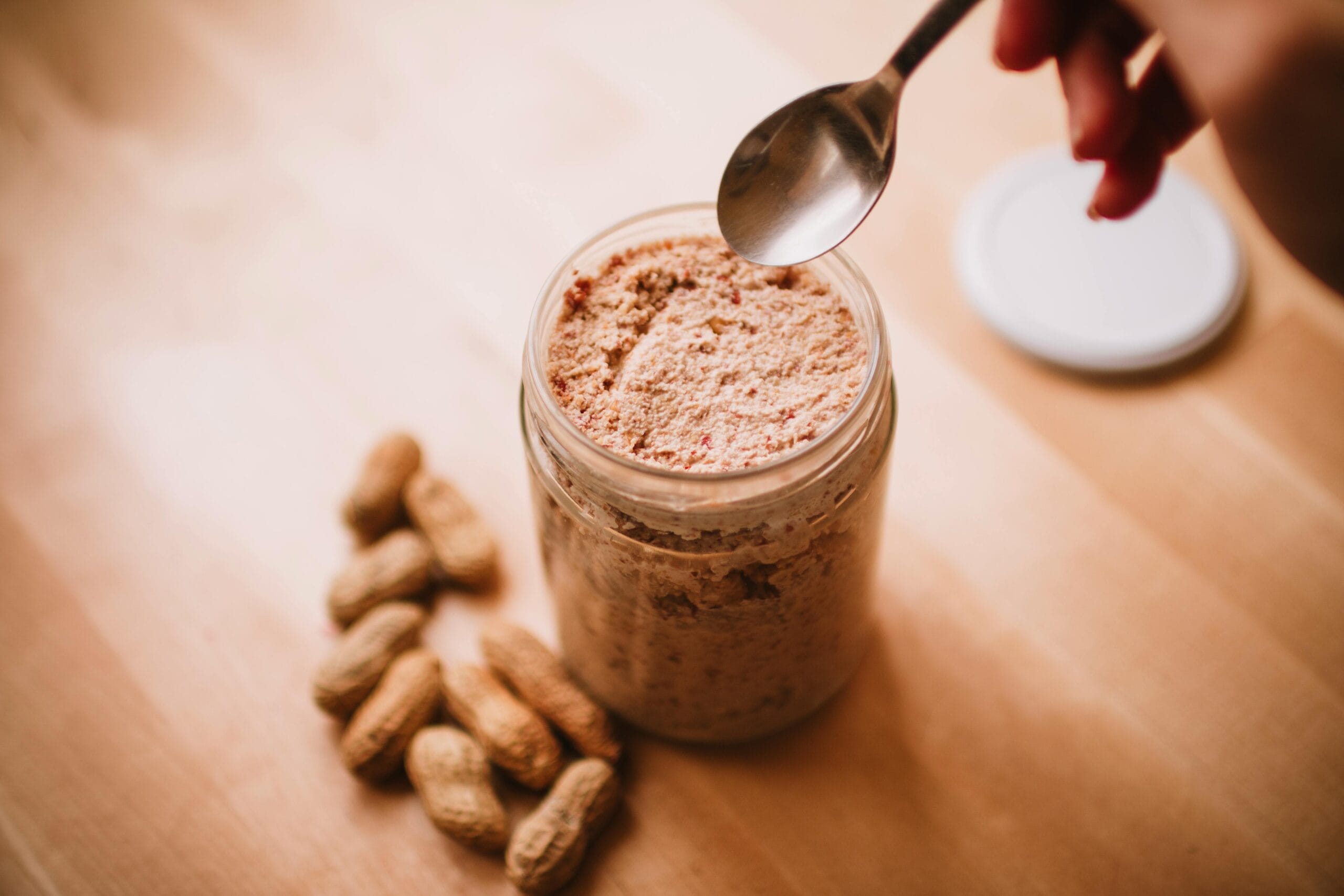
PDCAAS halves peanuts' effective protein — but peanuts are so cheap (₹3–5 per 30g serving) that even at 52% bioavailability, cost-per-usable-gram is extraordinary. Fix the incompleteness by pairing naturally: peanut chutney with rice, peanuts in poha. India already does this instinctively.
Dal's PDCAAS of ~0.52 means provides a lower proportion of usable protein. But dal + rice is nutritional genius — their amino acids are perfectly complementary, raising the combined meal's effective PDCAAS to 0.70–0.80+. This is why dal-chawal has sustained a billion people for millennia.
Moong gets a slight edge over toor/masoor in bioavailability — fewer anti-nutritional factors, better amino acid profile, easier to digest. Ayurveda's favourite protein, and science backs it. Sprouting overnight increases protein digestibility by 10–15% and adds Vitamin C from near-zero to measurable amounts.
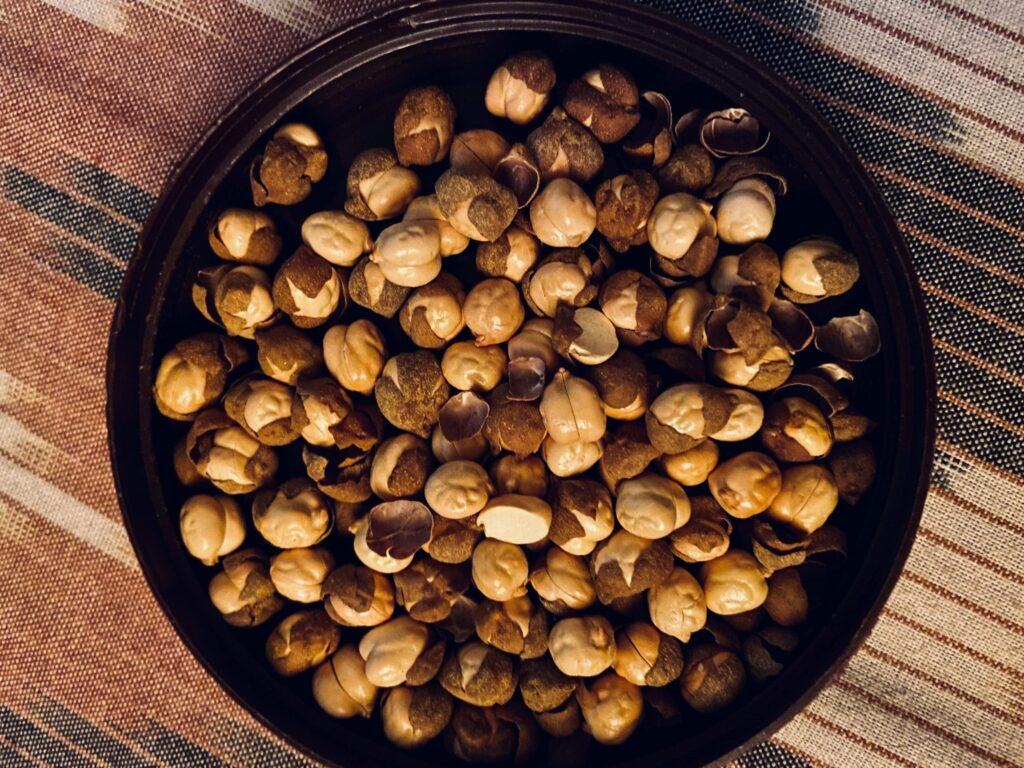
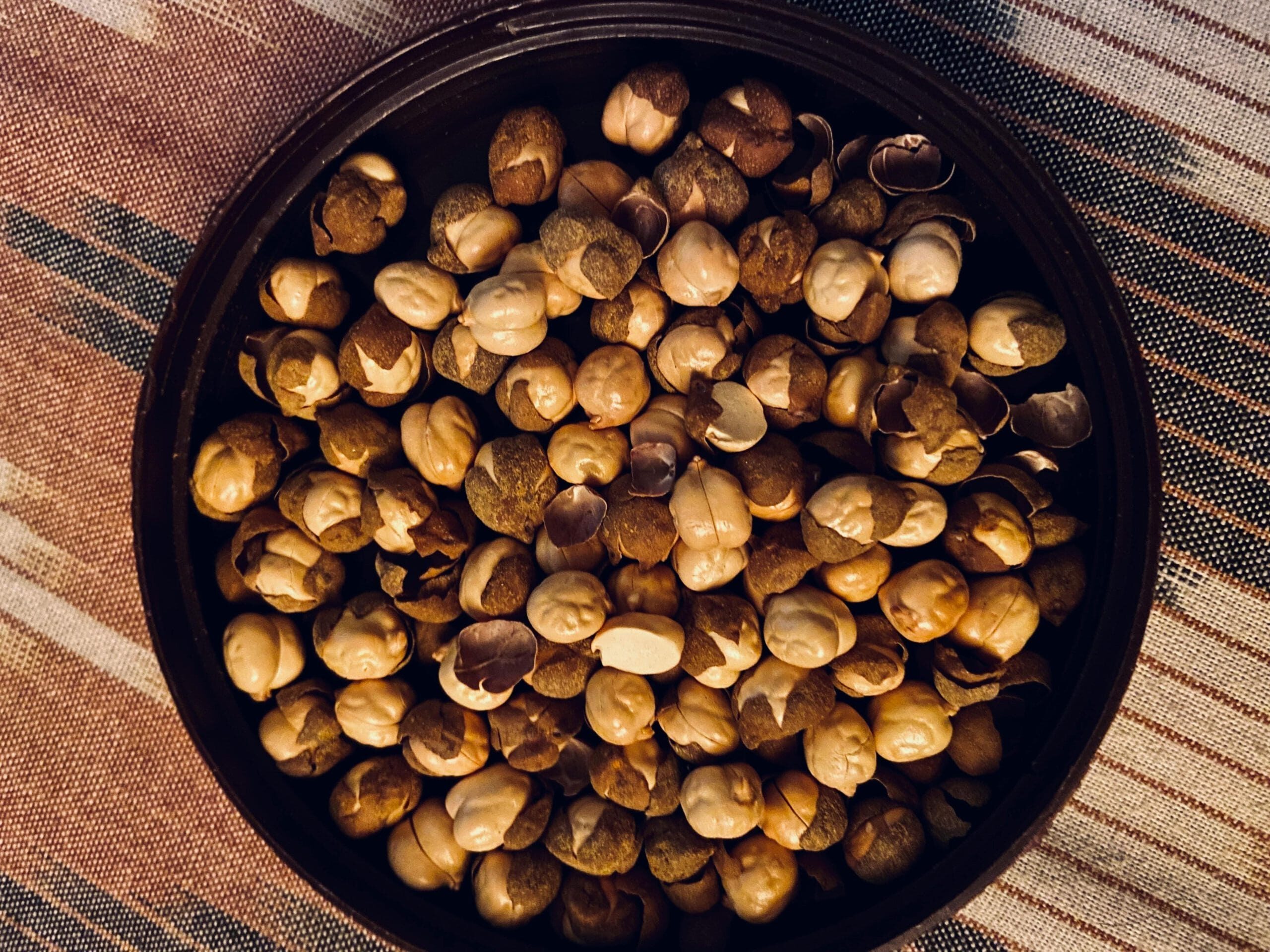
Chana has the highest PDCAAS (0.68) of any common Indian legume — better amino acid completeness than toor or masoor. Roasted chana (bhuna chana) from any railway station stall: a ₹10–15 bag delivers ~9g of usable protein with zero prep and high satiety.
Paneer's bioavailability is excellent — dairy protein scores near 1.0 on both scales. The problem is store price: ₹80–120/100g makes it the least efficient on this list. Make it at home. 1 litre of toned milk (₹22–24) yields 75–85g paneer at ₹28–32/100g — halving the cost and making it genuinely competitive.
Rajma earns its place for its iron-protein combination — unmatched among affordable Indian foods. Iron deficiency affects 50%+ of Indian women; regular rajma meals are one of the tastiest fixes. Always soak 8–10 hours and discard soaking water — removes lectins that inhibit protein digestion.
Full Comparison
| Food | Raw Protein | PDCAAS | DIAAS | Usable Protein | ₹/Serving | ₹/g Usable | Complete? |
|---|---|---|---|---|---|---|---|
| Eggs | 13g/100g | 1.00 | 1.13 | 13g | ₹14–16 | ₹1.1–1.3 | Yes |
| Chicken | 31g/100g | 1.00 | 1.08 | 31g | ₹20–28 | ₹0.7–0.9 | Yes |
| Soya Chunks | 52g/100g | 0.91 | 0.86 | ~47g | ₹12–15 | ₹0.28–0.35 | Near |
| Fish | 18–25g/100g | 0.96 | 0.95+ | 17–24g | ₹18–28 | ₹0.85–1.3 | Yes |
| Peanuts | 26g/100g | 0.52 | 0.46 | ~13g | ₹4–6 | ₹0.26–0.40 | Combine |
| Toor/Masoor Dal | 22–27g/100g | 0.52 | 0.50 | ~11–14g | ₹8–12 | ₹0.65–0.90 | + Rice |
| Moong Dal | 24g/100g | 0.62 | 0.58 | ~14–16g | ₹7–10 | ₹0.55–0.70 | + Grain |
| Chana | 18–21g/100g | 0.68 | 0.63 | ~12–14g | ₹6–9 | ₹0.45–0.60 | + Grain |
| Paneer (home) | 18–20g/100g | 0.97 | 0.94 | ~17–19g | ₹25–35 | ₹1.6–2.2 | Yes |
| Rajma | 24g/100g | 0.65 | 0.60 | ~15–16g | ₹7–10 | ₹0.60–0.80 | + Rice |
65g Usable Protein
Under ₹90/day
No powder. No supplements. Just real Indian food, eaten intentionally.
Shop Smart — Our Top Protein Picks
Fortune Soya Chunks — 200g
Vedaka Roasted Chana — 1kg
Pintola All Natural Peanut Butter — 1kg
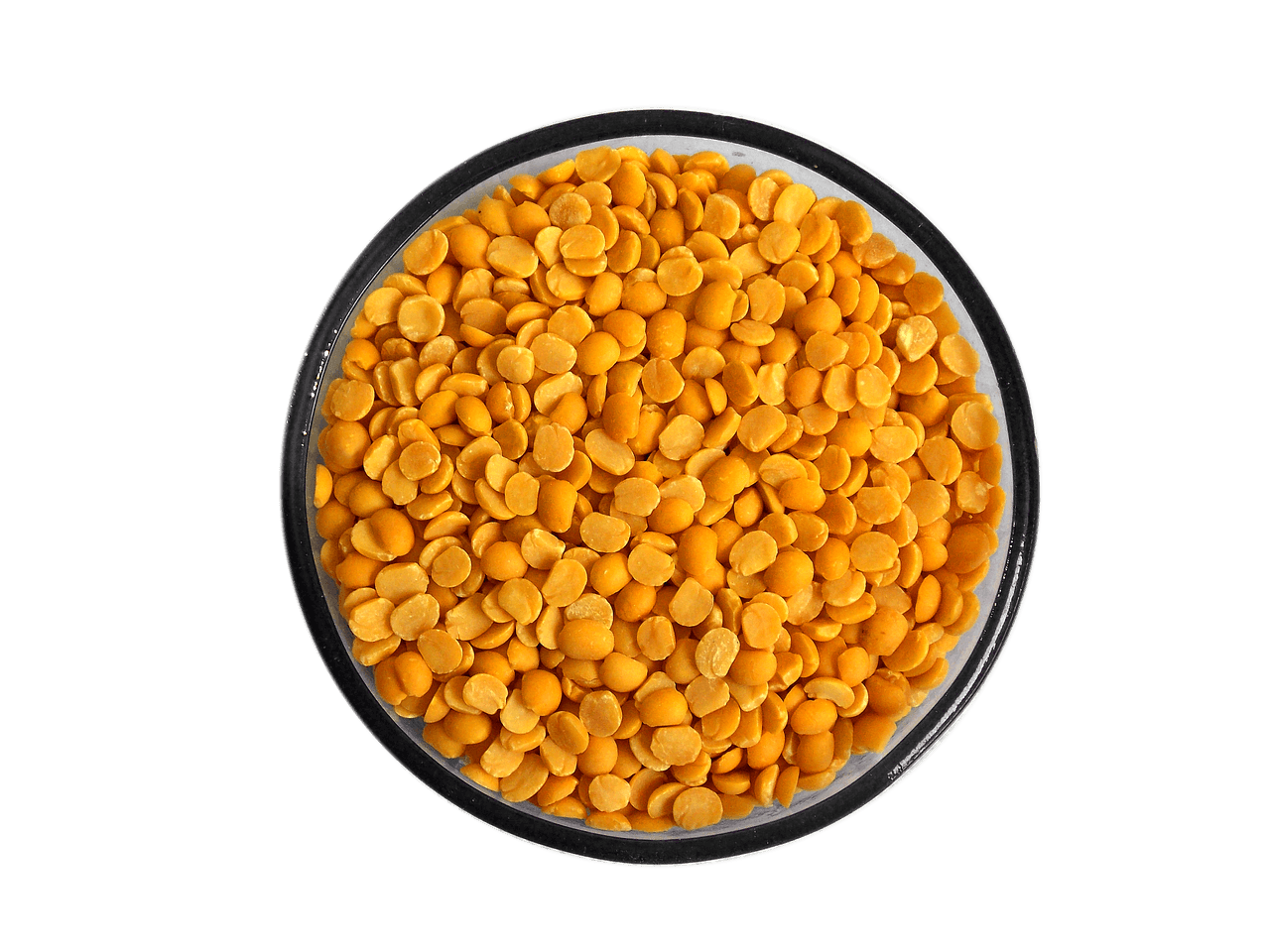
Vedaka Unpolished Moong Dal — 1kg
Protein values sourced from USDA FoodData Central & Indian Food Composition Tables (IFCT 2017).
PDCAAS/DIAAS data from WHO/FAO Expert Consultation reports, Mathai et al. 2017, Rutherfurd et al. 2015, Frontiers in Nutrition 2024.
Prices are approximate averages across Indian cities (2024–25) and may vary by region and season.