A science-backed look at what heat actually does to badam — from vitamin E loss to healthy fats and acrylamide.
Does roasting almonds reduce nutritional value? The short answer is: yes, partially — but probably not enough to stop eating them roasted. Roasting changes the nutritional profile of almonds in measurable ways, particularly vitamin E content and antioxidant levels, but the protein, fibre, magnesium, and healthy fat content remain largely intact. What matters most is how hot and how long you roast them.
Quick Answer: Roasting almonds at high temperatures (above 160°C) causes a measurable loss of vitamin E (~20%), reduces some heat-sensitive antioxidants, and can trigger acrylamide formation. However, protein, fibre, and minerals stay largely stable. Light-to-medium roasting (130–150°C for 10–15 min) preserves the most nutrition while giving you that desirable crunch and flavour.
What Happens Inside an Almond When You Roast It?
Vitamin E: The Biggest Nutritional Loss
Almonds are one of the best natural food sources of vitamin E (alpha-tocopherol), an antioxidant that protects cells from oxidative damage. This is the nutrient most affected by roasting.
Research has found that vitamin E levels in roasted almonds were reduced by approximately 20% compared to raw almonds. A USDA study reinforced this, showing that people who consumed raw almonds had significantly higher blood levels of alpha-tocopherol — the active form of vitamin E — compared to those who ate roasted almonds.
That said, even a 20% reduction still leaves roasted almonds as an excellent vitamin E source. A 28g serving of roasted almonds still delivers roughly 6–7 mg of vitamin E — well within a meaningful range toward the ICMR-NIN recommended dietary allowance.
Indian Snack Habit Watch
Many Indian households dry-roast almonds in a kadhai (wok) on high flame — often exceeding 180°C. This uncontrolled, high-heat roasting causes significantly more vitamin E loss than oven-roasting at a controlled temperature. If you regularly use almond as your primary vitamin E source, this matters.
Raw vs Roasted Almonds: Nutrient Comparison
Here is how key nutrients compare between raw and dry-roasted almonds per 28g (approximately 23 almonds):
What About Healthy Fats and Fat Oxidation?
While the total fat content of almonds doesn't change dramatically during roasting, the polyunsaturated fats in roasted almonds can become more susceptible to oxidation due to structural changes in the nut. Contrary to expectations, oil-roasted and dry-roasted almonds differ only slightly in total fat and calories.
Fat oxidation is more of a storage concern than a roasting concern. Oxidation also occurs when roasted almonds are stored for a long time, making old, stale roasted almonds from the back of your pantry a more significant nutritional risk than fresh roasted ones. For Indian kitchens where large batches are roasted and stored in steel dabbas, this is a real consideration.
Practical advice on storage:
Store roasted almonds in an airtight glass or steel container, away from light and heat. Consume within 2–3 weeks for best nutritional quality. Avoid buying pre-packaged roasted almonds in bulk unless you can confirm freshness dates.
Acrylamide: Should You Be Worried?
When almonds are roasted at high temperatures — above 146°C (295°F) — the amino acid asparagine reacts with natural sugars to form acrylamide, a compound classified as a probable carcinogen. The formation increases exponentially as temperature rises.
This sounds alarming, but context matters:
Science in Context
The amount of acrylamide formed in home-roasted or commercially roasted almonds is likely not a concern for most healthy individuals.Regulatory agencies (FSSAI in India, EFSA in Europe) recommend minimising overall dietary acrylamide — which also comes from fried potatoes, chips, and bread — rather than eliminating roasted nuts specifically.
The practical risk-reduction strategy is simple: don't roast almonds at very high heat for extended periods. The darkest-brown or near-black roasted almonds carry the highest acrylamide load.
Does Roasting Almonds Have Any Nutritional Advantages?
Yes — and this is the nuanced part that most clickbait headlines miss.
1. Reduced phytic acid (antinutrient)
The phytic acid in raw almond skins can inhibit mineral absorption and cause digestive issues for some people. Roasting (or soaking) can reduce phytic acid levels, which may improve the bioavailability of minerals like iron, zinc, and calcium. For Indians whose diets are often mineral-limited due to heavy phytate load from cereals and legumes, this is a meaningful benefit.
2. New antioxidant compounds via Maillard reaction
Some studies suggest that roasting might also create new antioxidant compounds through the Maillard reaction. However, overall antioxidant activity may still see a slight reduction compared to raw almonds. It's a trade-off, not a total loss.
3. Improved digestibility and flavour palatability
Roasting makes almonds easier to digest for many people and dramatically improves their sensory appeal — which means you're more likely to actually eat them regularly. Consistent consumption of even slightly-less-nutrient-dense roasted almonds beats irregular consumption of "nutritionally perfect" raw almonds.
The Temperature Rule: How to Roast Almonds Right
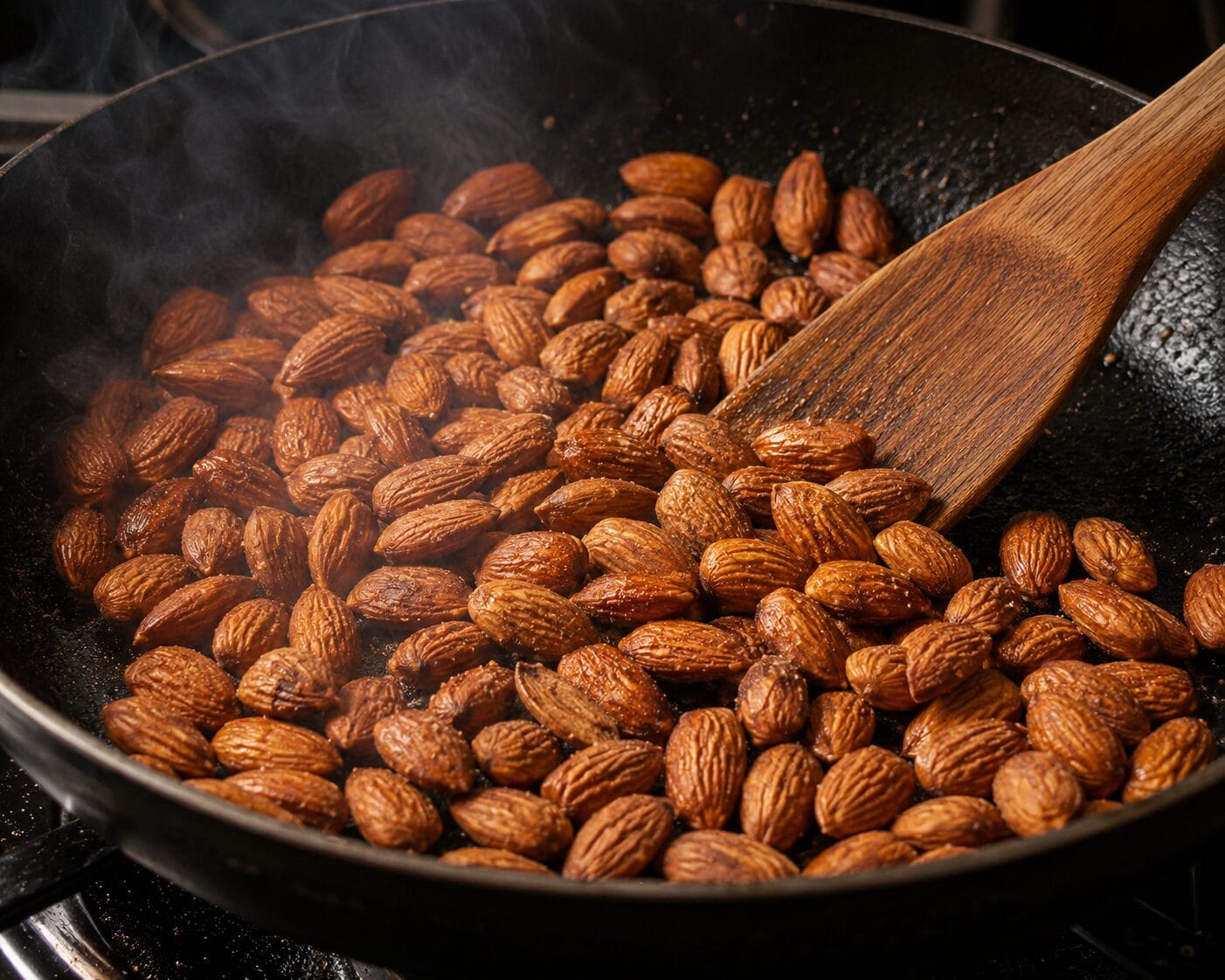
If nuts are roasted at a low-to-medium temperature of around 140°C for approximately 15 minutes, vitamin loss is kept to a minimum, healthy fats are unharmed, and acrylamide is less likely to form. Roasting at low temperatures between 120–140°C creates the most desirable taste and texture.
Raw vs Roasted Almonds: Which Should You Choose?
The honest answer for most people: either form of almond is nutritionally excellent. The gap between raw and properly roasted is smaller than the gap between eating almonds regularly versus not eating them at all.
Product Recommends
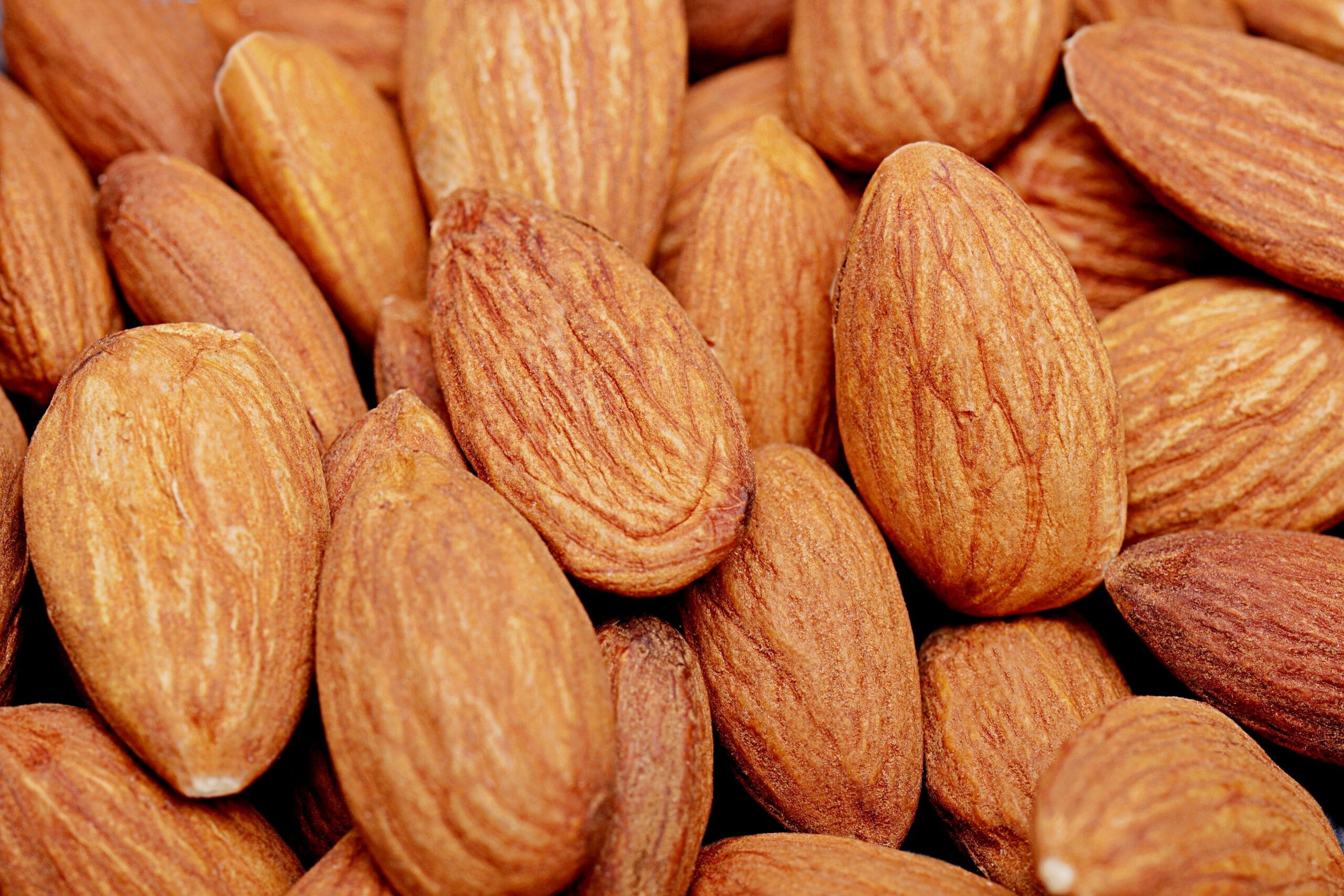
Raw California Almonds (Whole, Unsalted)
Best for soaking overnight or light home-roasting. Look for pesticide-free varieties from brands like Nutraj, Happilo, or Tulsi — available across Indian e-commerce platforms. Prioritise freshness over pack size.
Check on Amazon
Airtight Glass or Steel Storage Jar (500 ml)
Essential for storing home-roasted almonds. Prevents fat oxidation and rancidity. Brands like Borosil or Milton work well. Avoid plastic containers for nuts — they accelerate oxidative breakdown.
Check on Amazon
OTG Oven with Temperature Control (20L+)
If you regularly roast nuts, an OTG at home lets you precisely control temperature (ideal: 130–150°C). Morphy Richards, Bajaj, or Agaro are reliable Indian options available under ₹5,000.
Check on AmazonExplore More on Vitaroxi
Nuts and Seeds Nutrition Facts: 25+ Best Healthy Profiles