
Nutrition Facts Database – Complete Guide to Every Food Group
Explore the complete Nutrition Facts Database — your trusted guide to calories, protein, vitamins & minerals across every food group. Science-backed. India-first.
Whether you are tracking calories, managing a health condition, or simply trying to eat smarter, understanding what goes into your food is the most powerful step you can take. The Nutrition Facts Database on Vitaroxi is your complete, science-backed reference for food nutrition across every major food group — from everyday Indian staples like rice, dal, and desi ghee to global superfoods, fermented traditions, and functional ingredients eaten across six continents. Each category is built around verified data covering calories and nutrients — macronutrients (protein, fat, carbohydrates, fibre), micronutrients (vitamins and minerals), and bioactive special compounds — reported both per 100g and per standard serving size. Whether you follow a regional Indian thali or an international eating pattern, this Indian food nutrition resource is designed to help you make informed, confident choices every day. Use this healthy eating database as your go-to companion — explore any category below to get started.
Explore Food Category
Why Use the Vitaroxi Nutrition Database?
Good nutrition does not come from a single superfood or a trending diet — it comes from understanding your entire plate. The Vitaroxi Nutrition Database was built with one goal: to make reliable, research-grade nutrition information accessible to every Indian household and health-conscious reader around the world.
Every category is researched using peer-reviewed nutritional science, government food composition tables — including ICMR–NIN data for Indian foods — and globally recognized sources such as USDA FoodData Central and EFSA food composition databases. Indian ingredients are always prioritized where regional data exists; global foods are included wherever they have become part of modern Indian or international diets. The data is regularly reviewed to stay accurate and relevant.
What Nutrition Data Does Each Category Cover?
This is not a surface-level calorie counter. Every food entry in this database is built around a comprehensive nutritional profile covering three layers of data:
Macronutrients — per 100g and per serving The foundation of any diet analysis. Each food entry reports:
- Energy (kcal and kJ)
- Total protein and amino acid quality context
- Total fat — broken down into saturated, monounsaturated, polyunsaturated, and trans fats
- Total carbohydrates — including available carbs, dietary fibre, and total sugars
- Water content and dry matter
Serving-size values are included alongside per-100g data so you can see exactly what a realistic portion contributes to your daily intake — whether that is one katori of dal, a single egg, or a tablespoon of ghee.
Micronutrients — Vitamins & Minerals The nutrients most people overlook until a deficiency shows up. Each category covers the full micronutrient spectrum relevant to that food group:
- Fat-soluble vitamins — Vitamin A (retinol + beta-carotene), D, E, K
- Water-soluble vitamins — Vitamin C, B1 (thiamine), B2 (riboflavin), B3 (niacin), B5 (pantothenic acid), B6, B7 (biotin), B9 (folate), B12
- Macro-minerals — Calcium, Phosphorus, Magnesium, Sodium, Potassium, Chloride
- Trace minerals — Iron, Zinc, Copper, Manganese, Selenium, Iodine, Fluoride, Chromium, Molybdenum
Special Compounds & Bioactives This is what sets the Vitaroxi database apart. Beyond standard nutrition tables, each category highlights the functional compounds that drive real health outcomes:
- Polyphenols & flavonoids — antioxidants found in fruits, spices, and fermented foods
- Phytosterols — cholesterol-lowering compounds in nuts, seeds, and oils
- Glucosinolates — cancer-protective compounds in cruciferous vegetables
- Carotenoids — lutein, zeaxanthin, lycopene, beta-carotene across vegetables and fruits
- Omega-3 & Omega-6 fatty acids — ALA, EPA, DHA profiles in fats, fish, and seeds
- Probiotics & prebiotics — live culture counts and fermentable fibre in fermented foods
- Phytic acid & antinutrients — important context for legumes, cereals, and nuts
- Alkaloids, saponins, and tannins — bioactive compounds in millets, pulses, and spices
- Beta-glucans — immune and cholesterol-modulating fibre in mushrooms and oats
- Capsaicin, curcumin, allicin, piperine — functional compounds in Indian spices and condiments
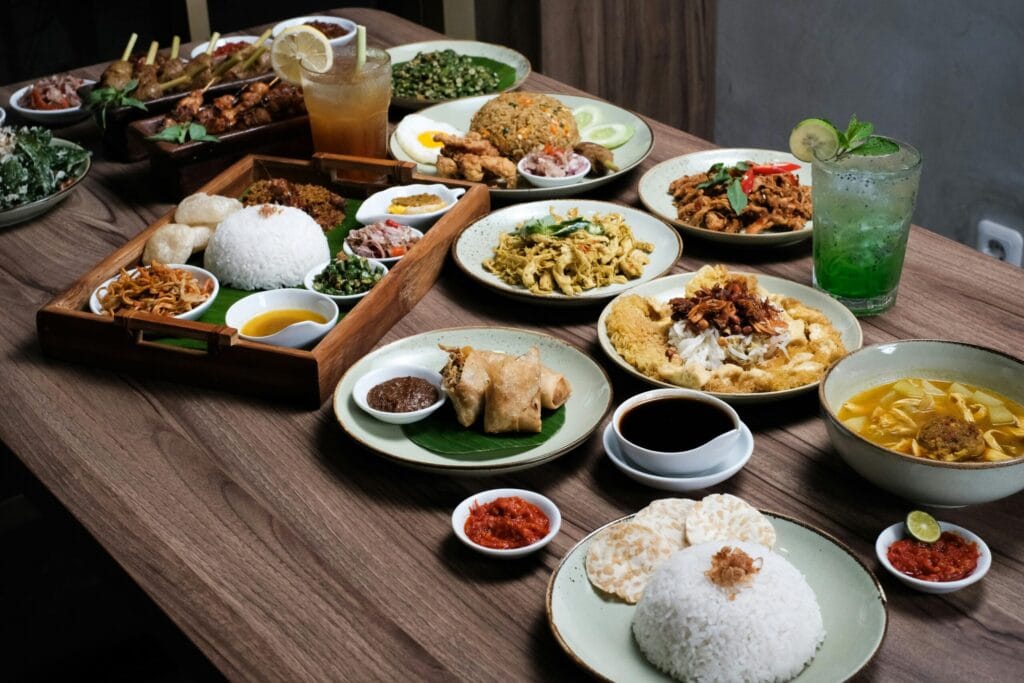
How to Use This Database
Start with what you eat most. If rice and dal are your daily staples, begin with Cereals & Millets and Pulses & Legumes. If you are focused on weight management, the Fats & Oils and Sugar & Sweeteners sections give you clear breakdowns of energy-dense foods. Athletes and fitness enthusiasts will find the Meat, Fish & Eggs and Milk & Dairy sections especially useful for tracking protein and amino acid intake.
Each category page includes:
- Nutrition data tables with per-100g and per-serving values for macros, micros, and special compounds
- Spotlight profiles on individual foods with deeper nutritional and cultural insight
- Indian vs. global variety comparisons where relevant
- Myths & Facts panels to clear common misconceptions
- Practical tips for cooking, combining, and consuming foods for maximum nutritional benefit
A Database Built for Indian Diets — and the World
Most nutrition databases available online are built around Western food systems. Vitaroxi fills a critical gap by centering Indian ingredients — millets like jowar, bajra, and ragi; traditional legumes like moth bean, horse gram, and kulthi; fermented foods like kanji, gundruk, pakhala, and kinema; and regional varieties like Milky Mushroom and Paddy Straw Mushroom — while also covering global foods that are increasingly part of Indian urban and health-conscious diets.
At the same time, the database is genuinely global. Quinoa, avocado, kefir, tempeh, chia seeds, miso, and dozens of internationally consumed foods are included with full nutritional profiles — making this resource equally useful for NRIs, global readers, and anyone following a hybrid Indian-international diet.
This dual focus makes the database useful not just for dietitians and nutritionists, but also for students, home cooks, fitness enthusiasts, and anyone navigating diet-related health conditions like diabetes, PCOD, thyroid disorders, anaemia, or cardiovascular disease.
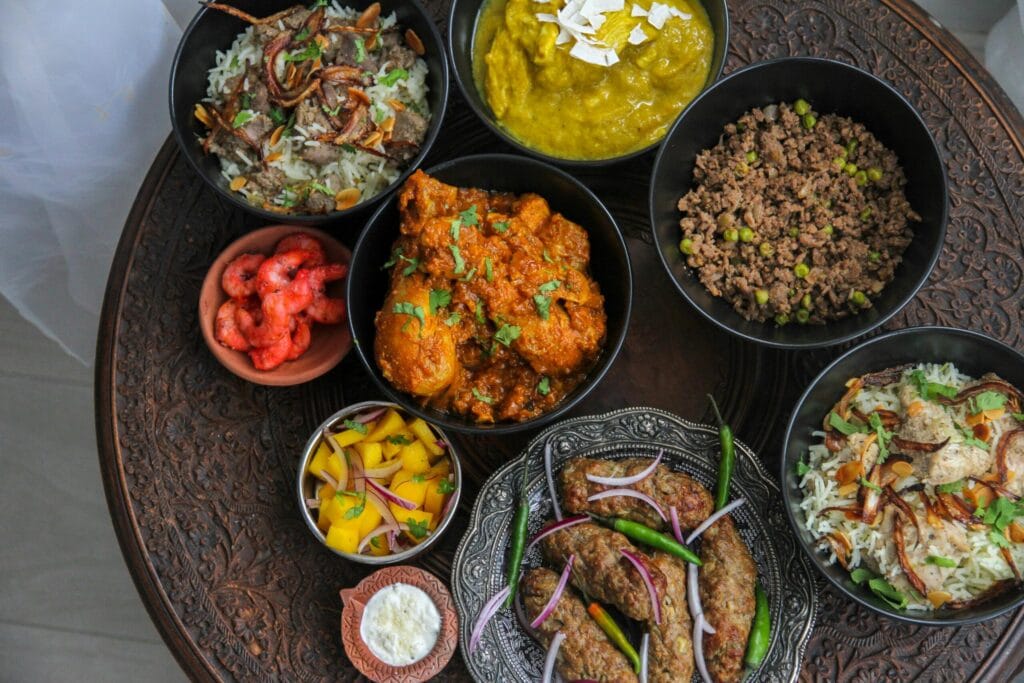
Browse by Food Category
The twelve categories in this database cover the full spectrum of the human diet:
Whole foods and staples — Cereals & Millets, Pulses & Legumes, Vegetables, and Fruits form the foundation of most balanced diets and are the most browsed sections of this database. From basmati rice and toor dal to kale and blueberries, complete macro, micro, and bioactive data is covered.
Protein sources — Milk & Dairy, Meat, Fish & Eggs, and Nuts & Oilseeds are essential reading for anyone focused on muscle health, bone density, growth, or plant-based protein alternatives. Amino acid context, calcium bioavailability, and omega-3 profiles are highlighted throughout.
Functional and specialty foods — Fermented Foods & Probiotics, Mushrooms, and Condiments & Spices represent some of the most nutritionally dense and underappreciated food groups, particularly in Indian cuisine. Live culture counts, beta-glucan content, and key phytochemical profiles make these sections stand out.
Fats, sugars, and beverages — Understanding Fats & Oils, Sugar & Sweeteners, and Beverages is key to managing energy intake, glycaemic load, and making smarter substitutions in everyday cooking and consumption.
Frequently Asked Questions (FAQs)
Is this database suitable for people with diabetes or other diet-related conditions?
Yes. Each category includes glycaemic context, fibre content, and practical guidance where relevant. However, this database is for general informational purposes — always consult a registered dietitian or physician for personal medical nutrition therapy.
Are the nutrition values specific to Indian foods?
Where Indian varieties exist — such as desi ghee, regional millets, or native legumes — Indian food composition data from ICMR–NIN is used. For internationally consumed foods, USDA FoodData Central or globally standardized values are referenced. Both per-100g and per-serving data are provided throughout.
What are special compounds and why are they included?
Special compounds — also called bioactives or phytochemicals — are non-nutrient substances in food that have measurable effects on health. They include antioxidants, anti-inflammatory agents, probiotic cultures, and plant hormones. Most standard databases ignore them; Vitaroxi includes them because they are a major reason why whole foods outperform supplements.
How often is the database updated?
Content is reviewed and updated periodically as new nutritional research becomes available or food composition standards are revised.
Can I use this as a reference for academic or professional work?
he database is a curated public resource. For academic citations, we recommend cross-referencing with the primary sources listed at the bottom of each category page.
Disclaimer
The nutrition data on Vitaroxi is for general informational and educational purposes only. Values are sourced from ICMR–NIN, USDA FoodData Central, and peer-reviewed research, but may vary due to natural food variation, cooking methods, growing conditions, and individual bioavailability differences. Per-serving values are based on standard reference sizes and may not reflect your actual portion.
This database does not constitute medical advice or dietary prescription. If you have a health condition such as diabetes, kidney disease, cardiovascular disease, or food allergies, please consult a qualified Registered Dietitian or Doctor before making dietary changes based on this information.
Data on special compounds and bioactives reflects currently available research and may not cover all varieties or preparation methods. Information on functional foods does not imply therapeutic claims or regulatory approval by FSSAI, WHO, or FDA.
For personalized nutrition guidance, always seek advice from a qualified health professional.