
Nutritional Value and Health Benefits of Indian Fermented Foods and Probiotics
Explore the nutrition and probiotic benefits of Indian fermented foods like curd, idli, dosa, kanji, and pickles. Includes ICMR and WHO recommendations for probiotic intake and gut health.
Why Fermented Foods Are Important for Gut Health
Fermentation is one of the oldest and healthiest food preservation methods.
Fermented foods contain live beneficial bacteria (probiotics) that improve digestion, nutrient absorption, and immune function.
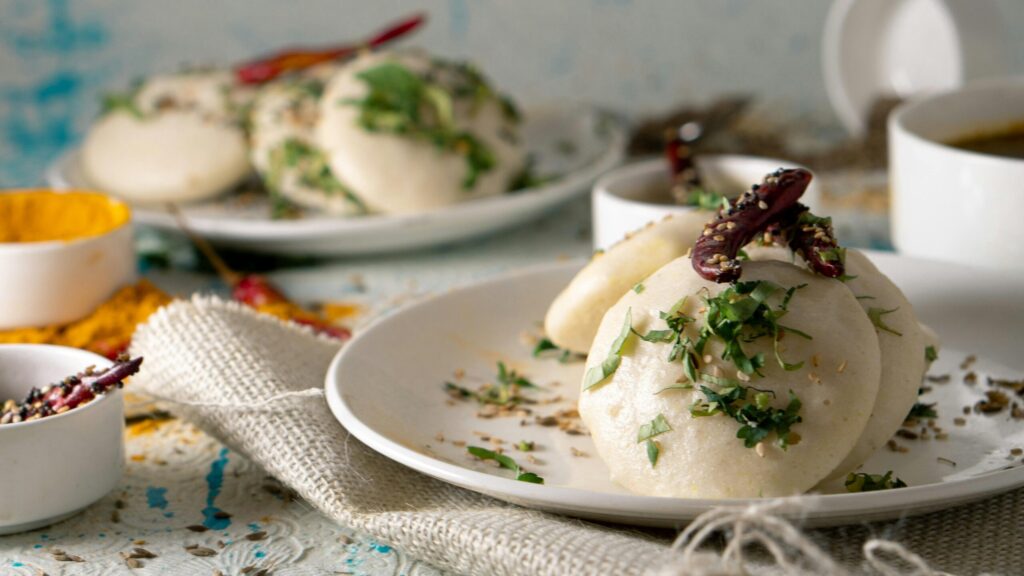
In India, traditional foods like curd, lassi, buttermilk, idli, dosa, dhokla, kanji, and pickles are naturally fermented and supply vitamin B12, folate, lactic acid bacteria, and enzymes.
Regular consumption promotes a healthy gut microbiome — the foundation of strong immunity and better metabolism.
Nutrient and Probiotic Content of Common Indian Fermented Foods (per 100 g/ml)
| Food Item | Energy (kcal) | Protein (g) | Fat (g) | Carbohydrate (g) | Calcium (mg) | Folate (µg) | Vitamin B12 (µg) | Probiotic Count (CFU/ml) | Highlights |
|---|---|---|---|---|---|---|---|---|---|
| Curd (Dahi) | 60 | 3.1 | 3.0 | 4.0 | 120 | 12 | 0.8 | 1×10⁸ | Excellent source of probiotics and calcium |
| Buttermilk (Chaas) | 35 | 2.0 | 0.8 | 3.0 | 90 | 10 | 0.5 | 5×10⁷ | Hydrating and gut-friendly drink |
| Lassi (Sweet/Salted) | 80 | 2.8 | 2.0 | 10.0 | 100 | 8 | 0.6 | 1×10⁸ | Refreshing probiotic beverage |
| Idli (Fermented Rice & Dal) | 120 | 4.0 | 1.5 | 22.0 | 20 | 14 | 0.3 | 2×10⁶ | Light, protein-rich breakfast food |
| Dosa (Fermented Batter) | 150 | 3.5 | 5.0 | 22.0 | 25 | 12 | 0.3 | 1×10⁶ | Rich in lactic acid and B-vitamins |
| Dhokla (Fermented Gram Batter) | 160 | 6.0 | 3.0 | 20.0 | 30 | 20 | 0.4 | 1×10⁶ | High in folate and easy to digest |
| Kanji (Fermented Beet/Carrot Drink) | 20 | 0.4 | 0.2 | 3.5 | 25 | 10 | 0.2 | 5×10⁷ | Excellent natural probiotic drink |
| Pickles (Fermented Veg, small amount) | 70 | 2.0 | 3.5 | 8.0 | 40 | 18 | 0.2 | 1×10⁶ | Provides beneficial bacteria and antioxidants |
“Did you know? Just one cup (250 ml) of homemade curd contains over 100 million live probiotic bacteria — enough to keep your gut microbiome strong and active!”
Recommended Daily Intake
ICMR, WHO & USDA Guidelines on Fermented and Probiotic Foods
According to ICMR-NIN (2020):
- Include 1–2 servings/day of fermented or probiotic foods.
- Adults: 200–300 ml of curd, buttermilk, or lassi.
- Children: 100–150 ml/day.
- Pregnant/lactating women: 300–400 ml/day.
- Fermented foods should be freshly prepared and stored hygienically.
- Regular consumption improves gut flora, vitamin synthesis (especially B12), and nutrient absorption.
According to WHO, FAO & USDA:
- Define probiotics as “live microorganisms that, when administered in adequate amounts, confer a health benefit to the host.”
- Recommend 10⁸–10⁹ CFU (colony-forming units) of live probiotics daily (e.g., yogurt, kefir, fermented milk).
- Encourage a diverse diet including natural fermented foods for gut and immune balance.
Key Nutrients and Functions
| Nutrient / Component | Function | RDA / Guidance |
|---|---|---|
| Probiotic bacteria (Lactobacillus, Bifidobacterium) | Maintain healthy gut flora, immunity | ≥10⁸ CFU/day |
| Vitamin B12 | Nerve function and energy metabolism | 2.4 µg/day |
| Folate (B9) | DNA synthesis, cell growth | 400 µg/day |
| Calcium (from curd, buttermilk) | Bone health | 1000 mg/day |
| Lactic Acid | Improves digestion, inhibits harmful bacteria | — |
| Enzymes & Organic Acids | Enhance nutrient absorption | — |
| Fibre (from pickles, fermented vegetables) | Gut health and motility | 25–30 g/day |
Diet Tips
- Consume curd, lassi, or buttermilk daily — especially after meals.
- Include fermented foods like idli, dosa, or dhokla for natural probiotics and easy digestion.
- Add kanji or pickled vegetables (in moderation) for variety and antioxidants.
- Avoid storing fermented foods too long, as nutrient value declines.
- People on antibiotics should consume curd daily to restore gut bacteria.