
BMI Calculator
Use our free BMI calculator to check your body mass index instantly. Know your ideal BMI range and health status with accurate results.
Related
What is BMI?
Body Mass Index (BMI) is a numerical value calculated using a person’s weight and height. It helps categorize individuals into different weight groups that may indicate potential health risks.
BMI was developed as a simple method for evaluating body weight relative to height. It is widely used in medical research, public health studies, and clinical practice.
Although BMI does not directly measure body fat, it is considered a practical screening tool for assessing weight-related health risks in large populations.
BMI Formula
BMI is calculated using the following formula:
Metric formula
BMI = weight (kg) ÷ height² (m)
Imperial formula
BMI = (weight (lb) ÷ height² (in)) × 703
For example:
If a person weighs 70 kg and is 1.75 m tall:
BMI = 70 ÷ (1.75 × 1.75)
BMI = 22.86
This value falls within the normal weight range.
BMI Categories
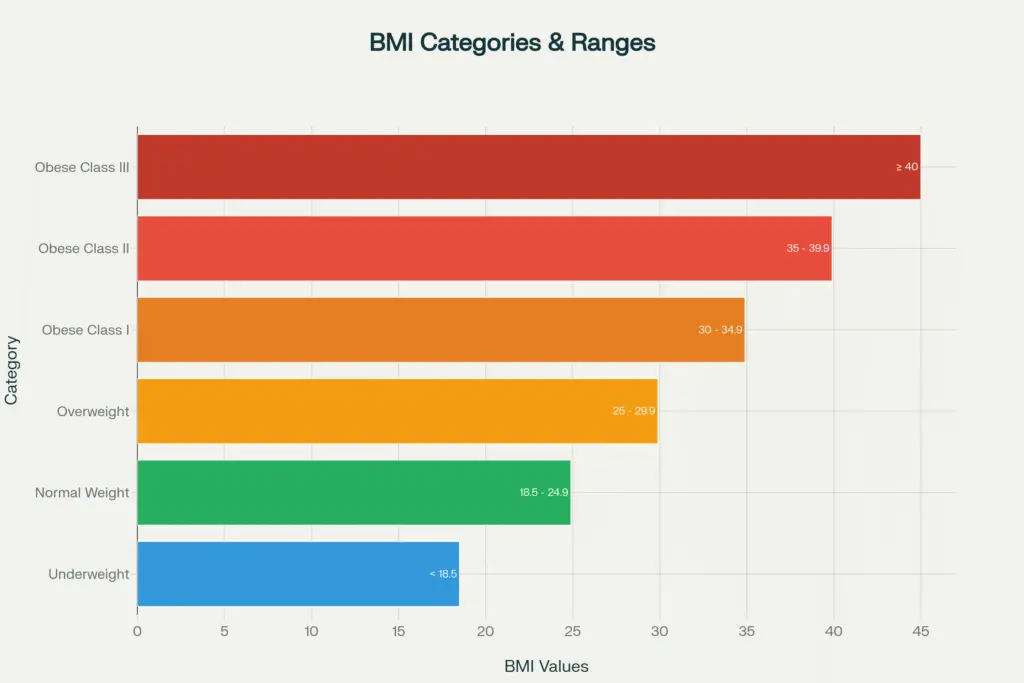
Health organizations classify BMI into different weight categories.
| BMI Range | Category |
|---|---|
| Below 18.5 | Underweight |
| 18.5 – 24.9 | Normal weight |
| 25 – 29.9 | Overweight |
| 30 and above | Obese |
These ranges help identify whether a person may have an increased risk of health problems associated with body weight.
Why BMI Matters
Knowing your BMI helps you:
- Track your fitness progress
- Identify potential health risks like diabetes and heart disease
- Set realistic fitness or diet goals
How to Use This BMI Calculator
- Enter your weight and height (in kg/cm or lbs/ft).
- Click “Calculate” to view your BMI.
- Read the interpretation and tips below the result.
Limitations of BMI
Although BMI is widely used, it has some limitations.
BMI does not distinguish between fat mass and muscle mass. As a result, some individuals may have a higher BMI even if they have low body fat.
For example:
- Athletes with high muscle mass may have a high BMI but low body fat.
- Older adults may have normal BMI but higher body fat percentages.
Because of these limitations, BMI is often used together with other measurements such as body fat percentage, waist circumference, and overall health indicators.
How to Maintain a Healthy BMI
Maintaining a healthy BMI typically involves balancing calorie intake with physical activity.
Some strategies include:
Eating a balanced and nutritious diet
Engaging in regular physical activity
Monitoring calorie intake
Maintaining consistent sleep habits
Managing stress levels
Small lifestyle changes over time can contribute to maintaining a healthy body weight. Body Fat Percen
BMI vs Body Fat Percentage
Many people confuse BMI with body fat percentage, but these measurements are different.
| Measurement | What It Measures |
| BMI | Weight relative to height |
| Body Fat Percentage | Percentage of body weight from fat |
Body fat percentage provides a more detailed assessment of body composition, while BMI offers a quick screening tool for weight status.
FAQs
What is a good BMI for adults?
A healthy range is between 18.5 and 24.9.
Is BMI different for men and women?
Slightly, as body composition varies, but the general range applies to both.
Can BMI be inaccurate?
It doesn’t measure muscle or fat directly, so athletes may have higher BMI despite being healthy.