
Body Fat Calculator– Check Body Fat Percentage
Measure your body fat percentage using our easy and accurate calculator. Ideal for tracking fitness and health progress.
Body Fat Calculator
Estimate body fat % using circumference measurements (U.S. Navy Method)
Measurements
Your Results
U.S. Navy Circumference Method — Hodgdon & Beckett, 1984
This calculator is for informational purposes only. Consult a registered dietitian or healthcare provider for personalized advice.
Related Calculators
What Is Body Fat Percentage?
Body fat percentage represents the proportion of fat in your body compared to your total body weight.
For example:
If a person weighs 70 kg and has 20% body fat, then:
- Fat mass = 14 kg
- Lean body mass = 56 kg
Lean body mass includes:
- Muscles
- Bones
- Organs
- Water
- Connective tissues
Unlike body weight alone, body fat percentage provides a clearer picture of overall health and body composition.
Why Body Fat Percentage Matters
Knowing your body fat percentage can help you:
- Understand your body composition
- Track fat loss progress
- Set realistic fitness goals
- Assess potential health risks
- Plan diet and exercise strategies
While body weight may change due to water or muscle gain, body fat percentage focuses specifically on fat mass, making it a more reliable measurement for fitness tracking.
How the Body Fat Calculator Works
This calculator estimates body fat using the U.S. Navy Method, which calculates body fat percentage based on body circumference measurements.
Measurements used
For men
- Height
- Neck circumference
- Waist circumference
For women
- Height
- Neck circumference
- Waist circumference
- Hip circumference
The formula uses logarithmic calculations to estimate body density and convert it into body fat percentage.
Although it is not as precise as medical tests such as DEXA scans, it provides a reliable estimate for most people.
Body Fat Categories
Healthy body fat levels differ between men and women due to biological differences.
Body Fat Percentage for Men
| Body Fat % | Category |
|---|---|
| 2–5% | Essential fat |
| 6–13% | Athletes |
| 14–17% | Fitness |
| 18–24% | Average |
| 25% and above | Obese |
Body Fat Percentage for Women
| Body Fat % | Category |
| 10–13% | Essential fat |
| 14–20% | Athletes |
| 21–24% | Fitness |
| 25–31% | Average |
| 32% and above | Obese |
These ranges can vary slightly depending on age, genetics, and activity level.
Limitations of Body Fat Calculators
While body fat calculators provide useful estimates, they have some limitations.
Factors that may affect accuracy include:
- Incorrect body measurements
- Unusual body proportions
- High muscle mass
- Measurement errors
Professional methods such as DEXA scans, hydrostatic weighing, or Bod Pod testing provide more precise results, but they require specialized equipment.
For most individuals, circumference-based calculations still provide a practical and accessible estimate.
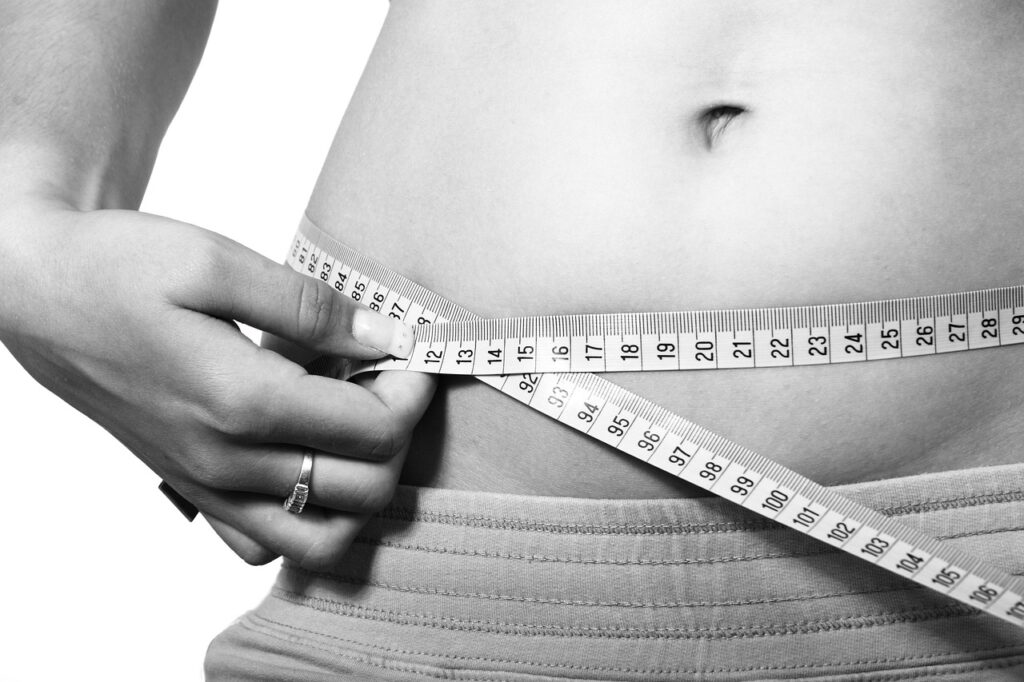
Tips for Accurate Measurements
To improve accuracy when using a body fat calculator:
- Measure with a flexible tape measure
- Stand upright and relaxed
- Do not pull the tape too tight
- Measure at the correct anatomical points
- Take measurements at the same time of day
Consistent measurement techniques help ensure more reliable results when tracking changes over time.
Body Fat vs BMI
Body Fat vs BMI
Many people confuse body fat percentage with Body Mass Index (BMI).
BMI estimates weight relative to height but does not distinguish between fat and muscle.
For example, a muscular athlete may have a high BMI but a low body fat percentage.
Body fat percentage provides a more direct estimate of body composition and can offer better insight into overall health and fitness.
Frequently Asked Questions (FAQ)
What is a healthy body fat percentage?
A healthy body fat percentage generally ranges from 14–24% for men and 21–31% for women, although optimal ranges depend on age, activity level, and individual health goals.
Is lower body fat always better?
No. Extremely low body fat levels can lead to hormonal imbalances, reduced immune function, and other health problems. Essential body fat is necessary for normal physiological functions.
How often should I measure body fat?
Measuring body fat once every 2–4 weeks is usually sufficient for tracking progress during weight loss or fitness programs.
Is the U.S. Navy method accurate?
The U.S. Navy method provides a reasonable estimate for most individuals and is commonly used in online body fat calculators, although it may not be as precise as clinical body composition tests.