Balanced Diet Chart for Indians (Veg & Non-Veg Options)
Eating a balanced diet is the foundation of good health. For Indians, this means enjoying a variety of traditional foods while ensuring you get all the nutrients your body needs. Whether you follow a vegetarian or non-vegetarian diet, a well-planned approach can help you stay energized, maintain a healthy weight, and prevent lifestyle diseases.
What Makes a Balanced Indian Diet?
A balanced diet provides adequate amounts of all essential nutrients—carbohydrates, proteins, fats, vitamins, and minerals. According to the Indian Council of Medical Research (ICMR) and National Institute of Nutrition (NIN), Indians should source their nutrients from at least eight food groups:
- Cereals and millets
- Pulses and legumes
- Vegetables
- Green leafy vegetables
- Fruits
- Roots and tubers Milk and milk products
- Eggs, fish, and meat (for non-vegetarians)
- Nuts, oilseeds, and healthy fats
The 'My Plate for the Day' Concept
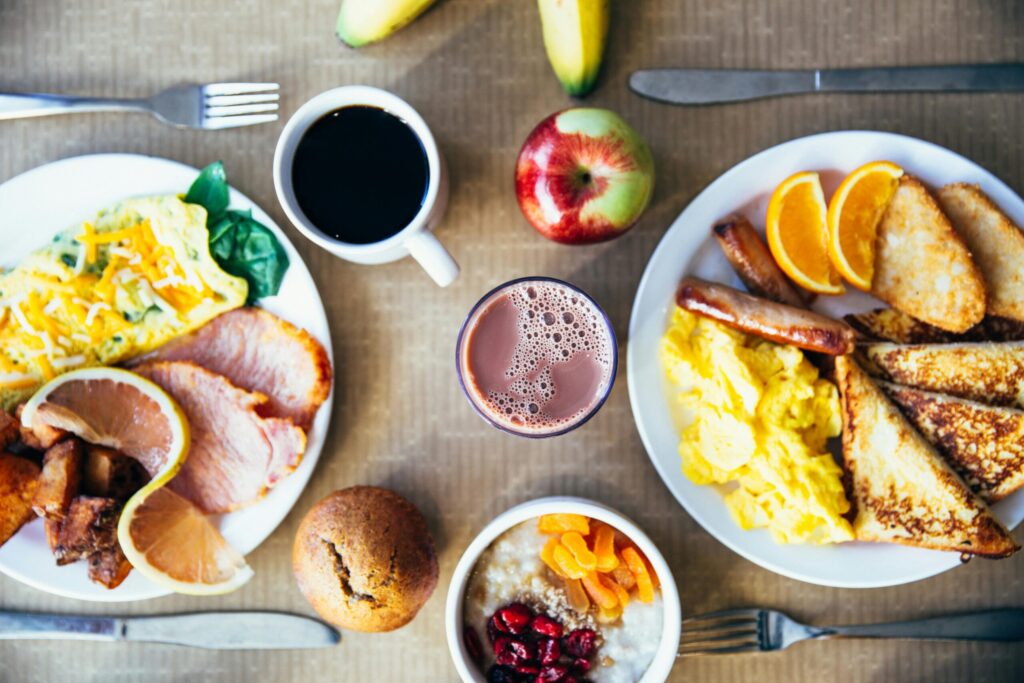
The ICMR-NIN recommends that vegetables, fruits, green leafy vegetables, roots, and tubers should form essentially half the plate of your daily food intake. The other major portion is occupied by cereals and millets, followed by pulses, eggs, meat, seafoods, nuts, oilseeds, and milk or curd.
Daily Food Intake Recommendations
For a 2000 kcal daily intake, the ICMR guidelines suggest the following portions:
- Cereals and Millets: 240 grams (limit to 45% of total energy)
- Vegetables: 350 grams (eat liberally in every meal)
- Fruits: 150 grams (at least 30 grams per meal)
- Pulses/Eggs/Fish/Meat: 90 grams (17-18% of total energy)
- Nuts and Seeds: 30 grams
- Fats/Oils: 27 grams (25-30 grams per day maximum)
- Milk/Curd: As per individual needs (8-10% of total energy)
What Does a Healthy Meal Look Like?
According to the ICMR-NIN dietary guidelines, a healthy Indian meal includes:
- Generous amounts of vegetables in various forms (raw salad, curry, soups, raita, or mixed with cereals)
- Adequate whole grains like brown rice, whole wheat, and millets (at least 50% of cereals should be whole grains)
- Pulses or beans for good quality protein and fiber
- Modest portions of nuts or seeds for healthy fats
- Fruits and plain fermented yogurt or curd
Minimal added sugars, salt, and oil
Foods to Include Daily
For Vegetarians
- Whole grains: Wheat, brown rice, millets (bajra, jowar, ragi)
- Pulses and legumes: Moong dal, masoor dal, chana, rajma, beans
- Dairy: Milk, curd, paneer (in moderation)
- Vegetables: Include non-starchy fresh vegetables and green leafy vegetables in every meal
- Fruits: Seasonal fruits like banana, apple, papaya, guava, citrus fruits
- Healthy fats: Nuts, seeds (flax seeds, chia seeds for omega-3), ghee, mustard oil
- Special sources: Fortified foods for vitamin B12
For Non-Vegetarians
All of the above, plus:
- Eggs: Excellent source of protein and vitamin B12
- Fish: Especially fatty fish for omega-3 fatty acids
- Chicken: Lean protein source
- Mutton: In moderation (avoid red meat excess)
- Seafood: Prawns, shellfish (good sources of minerals)
Key Dietary Guidelines for Indians
The latest dietary guidelines emphasize these important principles:
Eat a Variety of Foods
Include foods from all eight food groups to ensure nutritional adequacy and prevent deficiencies.
Consume at Least 50% Whole Grains
Eat minimally polished cereals and millets for adequate nutrients and fiber.
Eat Plenty of Vegetables and Fruits
Include non-starchy fresh vegetables and green leafy vegetables in every meal, along with at least 30 grams of fruits per meal.
Include Good Quality Proteins
All cereal-based diets should be accompanied by adequate pulses or beans for complete protein. Non-vegetarians can include eggs, fish, and lean meats.
Use Healthy Fats Wisely
Consume adequate quantities of nuts, oilseeds, and fatty fish while restricting cooking oils to 25-30 grams per day.
Moderate Salt, Sugar, and Fat
Minimize the use of processed foods rich in salt, sugar, and fats. Restrict salt intake to less than 5 grams per day.
Stay Physically Active
Regular physical activity is essential for appropriate utilization of nutrients from a balanced diet.
Stay Hydrated
Drink plenty of water throughout the day and take beverages in moderation.
Foods to Limit or Avoid
To maintain a balanced diet and prevent non-communicable diseases, the ICMR-NIN recommends minimizing:
- Ultra-processed and packaged foods high in salt, sugar, and unhealthy fats
- Deep-fried foods like pakoras, samosas, and puris
- Refined flour (maida) products like white bread and pastries
- Sugary drinks, sodas, and packaged juices
- Excess salt and pickles (stay under 5g/day)
- Excessive red meat and processed meats
- Trans fats found in margarine, vanaspati, and commercial baked goods
- Added sugars in beverages and desserts
Special Considerations
For Vegetarians
Since vegetarians face challenges getting enough vitamin B12 and omega-3 fatty acids, it’s important to:
- Include fortified foods or supplements for vitamin B12
- Eat flax seeds, chia seeds, and walnuts for plant-based omega-3
- Combine different plant proteins (cereals + pulses) for complete amino acids
For Different Life Stages
The guidelines provide specific recommendations for:
- Pregnant and lactating women: Extra food and healthcare
- Infants: Exclusive breastfeeding for 6 months, complementary foods thereafter
- Children and adolescents: Adequate and appropriate diets for growth
- Elderly: Micronutrient-rich foods to stay fit and active
Healthy Eating Habits to Adopt
Beyond just the foods you eat, how you eat matters too:
- Include vegetables in every meal
- Eat at regular intervals and avoid skipping meals
- Practice portion control—don’t overeat
- Choose home-cooked meals over restaurant or packaged foods
- Use healthy cooking methods
- Ensure food safety and cleanliness
- Get adequate sunlight exposure for vitamin D
Making Sustainable Food Choices
The new ICMR-NIN guidelines also emphasize sustainable eating to address environmental concerns. Food systems are responsible for one-third of greenhouse gas emissions, so choosing locally grown, seasonal foods and reducing food waste can make a significant impact.
The Bottom Line
A balanced Indian diet is not about restriction—it’s about enjoying the rich variety of foods our culture offers while making smarter, healthier choices. The key is to eat a wide variety of foods from all groups, with vegetables and fruits taking up half your plate, adequate proteins from pulses or animal sources, and moderate amounts of healthy fats.
With 56.4% of the total disease burden in India linked to unhealthy diets, following these evidence-based guidelines can help prevent obesity, diabetes, heart disease, and other lifestyle disorders. Whether you’re vegetarian or non-vegetarian, these flexible recommendations can be adapted to your preferences, regional traditions, and health goals.