
Milk & Dairy Products: Vitamins, Minerals, Macros & Health Benefits
A comprehensive, evidence-based reference covering macronutrients, vitamins, minerals, per-serving data, bioactive compounds, and key health benefits of 44 Indian and international dairy products — sourced from ICMR-NIN, USDA FoodData Central, and FAO/INFOODS.
Introduction
Accessing accurate Milk and Dairy Nutrition Facts is crucial for maintaining strong bones and building muscle. Our comprehensive Milk and Dairy Nutrition Facts guide provides everything from basic macros to detailed RDA of dairy micronutrients like calcium and Vitamin D. By comparing the calcium in dairy products, you can find the perfect fit for your daily needs. Dive into our high protein dairy database to discover the true nutritional value of milk and cheese, ensuring your Milk and Dairy Nutrition Facts are always up to date.
Dairy products have been a cornerstone of human nutrition for over 10,000 years — from the earliest pastoral societies of the Indus Valley and Mesopotamia to modern functional food science. Milk and its derivatives are among the most nutrient-dense foods available, delivering complete protein, bone-building calcium and phosphorus, fat-soluble vitamins, and a remarkable array of bioactive compounds — all in a single, widely accessible food group.
In India, dairy holds a uniquely elevated status — both culturally and nutritionally. The Indian dairy sector is the world’s largest, producing over 230 million tonnes of milk annually (NDDB, 2024). Traditional preparations like ghee, dahi, paneer, chaach, khoya, and lassi have deep roots in Ayurveda and remain central to Indian cuisine and health practices. Indian dairy science also increasingly recognises the distinction between A1 and A2 milk proteins, and the nutritional superiority of indigenous breeds like Gir, Sahiwal, and Red Sindhi.
Internationally, the diversity of dairy is extraordinary — from aged Parmesan and Gruyère cheeses to fresh Greek yogurt, kefir, and whey protein concentrates. Each product has a unique nutritional profile shaped by fat content, fermentation, processing, and animal breed.
Key Insight: Dairy is the most efficient dietary source of calcium and phosphorus — the two minerals most critical for skeletal health. A single 200 ml glass of full-fat cow milk provides roughly 24% of an adult’s daily calcium requirement (ICMR RDA: 1000 mg). Fermented dairy products like dahi and kefir additionally supply beneficial live cultures that support gut microbiome diversity, immune function, and lactose digestion.
What Makes Dairy Nutritionally Unique?
Unlike most single food groups, dairy combines macronutrients, micronutrients, and bioactive compounds in a synergistic nutritional matrix that is difficult to replicate from plant sources alone.
Complete Protein
Dairy provides all nine essential amino acids. Casein (80%) offers sustained release; whey (20%) is rapidly absorbed — making dairy unique among whole foods for muscle protein synthesis.
Calcium & Phosphorus
Milk is the single best dietary source of bioavailable calcium. The Ca:P ratio (~1.2:1) is optimal for bone mineralisation — far superior to most non-dairy sources.
Fat-Soluble Vitamins
Full-fat dairy supplies Vitamins A, D, E, and K2 (menaquinone). Ghee is particularly rich in fat-soluble vitamins and butyric acid — a key fuel for colonocytes.
Probiotics (Fermented)
Dahi, kefir, yogurt, and cheese supply live Lactobacillus, Streptococcus, and Bifidobacterium species that colonise the gut and modulate immunity.
Bioactive Compounds
CLA (conjugated linoleic acid), lactoferrin, immunoglobulins, casein-derived peptides, and butyric acid exert anti-inflammatory, antimicrobial, and cardioprotective effects.
B-Vitamin Complex
Dairy is one of few non-meat sources of Vitamin B12, and a major dietary source of Riboflavin (B2), Pantothenic acid (B5), and B6 — essential for energy metabolism.
⚠️Note on Lactose Intolerance: Approximately 60–70% of the global population (and ~65% of Indians) produce reduced lactase enzyme after childhood. Fermented dairy products like dahi, hard cheeses, and kefir contain significantly less lactose and are often tolerated well. Lactose-free milk provides identical nutrition to regular milk with pre-digested lactose.

Macronutrient Profile (per 100 g)
All values are per 100 g of edible portion. Data sourced from ICMR-NIN Nutritive Value of Indian Foods (2017) and USDA FoodData Central (2024).
| Product | Energy (kcal) | Water (g) | Protein (g) | Total Fat (g) | Saturated Fat (g) | Monounsat. Fat (g) | Polyunsat. Fat (g) | Total Carbs (g) | Sugar (g) | Dietary Fiber (g) | Cholesterol (mg) | Ash (g) |
|---|---|---|---|---|---|---|---|---|---|---|---|---|
| Ghee (Clarified Butter) – Indian | 900 | 0.1 | 0 | 99.8 | 61.9 | 28.7 | 3.7 | 0 | 0 | 0 | 256 | 0 |
| Butter (Salted) | 717 | 15.9 | 0.9 | 81.1 | 51.4 | 21 | 3 | 0.1 | 0.1 | 0 | 215 | 2.1 |
| Heavy Cream (Whipping Cream) | 340 | 58 | 2 | 36.1 | 22.7 | 9.1 | 1.3 | 2.8 | 2.8 | 0 | 135 | 0.5 |
| Sour Cream | 198 | 71.5 | 2.4 | 19.4 | 11.5 | 5 | 0.7 | 5.4 | 5.1 | 0 | 52 | 0.7 |
| Lassi (Sweet, Commercial) | 75 | 82 | 2.8 | 1.5 | 1 | 0.4 | 0.1 | 11.5 | 11 | 0 | 7 | 0.7 |
| Lassi (Salted, Commercial) | 43 | 89.5 | 3 | 1.7 | 1.1 | 0.4 | 0.1 | 4 | 3.8 | 0 | 8 | 0.7 |
| Half & Half | 130 | 80.6 | 3 | 11.5 | 7.2 | 3 | 0.4 | 4.3 | 4.3 | 0 | 37 | 0.7 |
| Dahi / Curd (Full Fat) | 98 | 82 | 3.1 | 4 | 2.6 | 1 | 0.1 | 4.7 | 4.7 | 0 | 17 | 0.7 |
| Whole Milk (3.25% fat) – USDA | 61 | 88.1 | 3.2 | 3.3 | 1.9 | 0.8 | 0.1 | 4.8 | 5.1 | 0 | 10 | 0.7 |
| Lactose-Free Milk (Whole) | 61 | 88 | 3.2 | 3.3 | 1.9 | 0.8 | 0.1 | 4.8 | 5.2 | 0 | 10 | 0.7 |
| Cow Milk (Full Fat) – Indian | 61 | 87.5 | 3.2 | 3.5 | 2.1 | 1 | 0.1 | 4.8 | 4.7 | 0 | 13 | 0.7 |
| A2 Milk (Full Fat) | 61 | 87.5 | 3.2 | 3.5 | 2.1 | 1 | 0.1 | 4.8 | 4.7 | 0 | 13 | 0.7 |
| Double Toned Milk (0.5% fat) | 33 | 92 | 3.3 | 0.5 | 0.3 | 0.1 | 0 | 4.8 | 4.7 | 0 | 3 | 0.7 |
| Buttermilk (Chaach) | 40 | 91 | 3.3 | 0.9 | 0.6 | 0.2 | 0 | 4.8 | 4.8 | 0 | 4 | 0.7 |
| 2% Reduced Fat Milk – USDA | 50 | 89 | 3.3 | 2 | 1.2 | 0.5 | 0.1 | 4.8 | 5.1 | 0 | 8 | 0.7 |
| Skimmed Milk (<0.1% fat) – Indian | 31 | 91 | 3.4 | 0.1 | 0.1 | 0 | 0 | 5 | 4.9 | 0 | 2 | 0.7 |
| Skimmed Milk – USDA | 34 | 91 | 3.4 | 0.1 | 0.1 | 0 | 0 | 4.9 | 5.1 | 0 | 2 | 0.9 |
| Toned Milk (1.5% fat) – Indian | 46 | 90.2 | 3.5 | 1.5 | 0.9 | 0.4 | 0.1 | 4.9 | 4.8 | 0 | 7 | 0.7 |
| Kefir (Plain) | 52 | 89 | 3.5 | 1.5 | 1 | 0.4 | 0.1 | 4.7 | 4.7 | 0 | 7 | 0.7 |
| Yogurt (Plain, Whole Milk) – USDA | 61 | 87.9 | 3.5 | 3.3 | 2.1 | 0.7 | 0.1 | 4.7 | 4.7 | 0 | 13 | 0.7 |
| Dahi / Curd (Low Fat) | 63 | 86 | 3.5 | 1.5 | 1 | 0.4 | 0 | 7 | 5.5 | 0 | 6 | 0.8 |
| Rasgolla (Milk-based Syrup Sweet) | 186 | 50 | 3.5 | 2.5 | 1.6 | 0.6 | 0.1 | 40 | 39 | 0 | 10 | 0.5 |
| Goat Milk – Indian | 69 | 87 | 3.6 | 4.1 | 2.7 | 1.1 | 0.1 | 4.5 | 4.3 | 0 | 11 | 0.8 |
| Buffalo Milk (Full Fat) – Indian | 97 | 83 | 4.3 | 6.5 | 4.2 | 1.7 | 0.2 | 5.2 | 5 | 0 | 19 | 0.8 |
| Shrikhand | 206 | 57 | 4.5 | 8.5 | 5.5 | 2.1 | 0.3 | 28 | 27 | 0 | 33 | 1 |
| Kulfi (Milk Ice Cream) | 184 | 62 | 4.8 | 8 | 5.2 | 2 | 0.3 | 23.5 | 23 | 0 | 32 | 1.2 |
| Cream Cheese | 350 | 53.8 | 6.2 | 34.2 | 19.3 | 8.6 | 1.4 | 4.1 | 3.2 | 0 | 110 | 1.3 |
| Evaporated Milk (Canned) | 134 | 74 | 6.8 | 7.6 | 4.7 | 2 | 0.2 | 10 | 10 | 0 | 29 | 1.5 |
| Sweetened Condensed Milk | 321 | 27.2 | 7.9 | 8.7 | 5.5 | 2.3 | 0.2 | 54.4 | 54.4 | 0 | 34 | 1.8 |
| Greek Yogurt (Plain, Full Fat) | 97 | 81.3 | 9 | 5 | 3.3 | 1.2 | 0.1 | 3.6 | 3.2 | 0 | 17 | 0.8 |
| Greek Yogurt (Plain, Non-Fat) | 59 | 85.1 | 10.2 | 0.4 | 0.1 | 0 | 0 | 3.6 | 3.2 | 0 | 4 | 0.9 |
| Cottage Cheese (2% fat) | 90 | 79.8 | 11.1 | 2.3 | 1.5 | 0.6 | 0.1 | 3.4 | 3.4 | 0 | 7 | 1.5 |
| Ricotta Cheese (Part-Skim) | 138 | 72 | 11.4 | 7.9 | 4.9 | 2.2 | 0.3 | 5.1 | 0.3 | 0 | 32 | 0.7 |
| Feta Cheese | 264 | 55.2 | 14.2 | 21.3 | 14.9 | 4.6 | 0.6 | 4.1 | 4.1 | 0 | 89 | 5.2 |
| Chena (Fresh Cheese Curd) | 231 | 60 | 15.5 | 17.5 | 11.2 | 4.5 | 0.5 | 3.8 | 1.5 | 0 | 56 | 1.7 |
| Paneer (Indian Cottage Cheese) | 265 | 54 | 18.3 | 20.8 | 13.5 | 5.2 | 0.6 | 2.6 | 1.2 | 0 | 52 | 2 |
| Khoya / Mawa (Full Cream) | 421 | 22.5 | 19 | 31.2 | 20 | 8.4 | 0.9 | 26.3 | 26 | 0 | 97 | 4 |
| Brie Cheese | 334 | 48.4 | 20.8 | 27.7 | 17.4 | 7.6 | 0.8 | 0.5 | 0.5 | 0 | 100 | 2.7 |
| Mozzarella Cheese (Part-Skim) | 254 | 50 | 24.3 | 15.9 | 10.1 | 4.1 | 0.5 | 2.8 | 1 | 0 | 54 | 4.2 |
| Cheddar Cheese (Aged) | 402 | 36.8 | 24.9 | 33.1 | 21.1 | 8.4 | 0.9 | 1.3 | 0.1 | 0 | 105 | 3.7 |
| Swiss / Emmental Cheese | 393 | 37.1 | 26.9 | 30.2 | 19.3 | 7.7 | 0.7 | 1.4 | 0.4 | 0 | 92 | 3.6 |
| Parmesan Cheese (Hard) | 392 | 29.2 | 35.8 | 25.8 | 16.5 | 7 | 0.6 | 3.2 | 0.8 | 0 | 68 | 6 |
| Whey Protein Powder (Concentrate) | 352 | 4.7 | 78 | 4.5 | 2.8 | 1.1 | 0.1 | 9.1 | 8.5 | 0 | 60 | 3.3 |
| Casein Protein Powder | 360 | 3.5 | 81.2 | 2.1 | 1.4 | 0.6 | 0.1 | 8.5 | 8 | 0 | 50 | 4.2 |
High-Protein Dairy Products
For muscle building, recovery, and satiety, these dairy products deliver the most protein per 100 g:
Low-Calorie Dairy Options (for weight management)
Vitamin Content of Dairy Products (per 100 g)
Dairy is a primary dietary source of Vitamin B12, Riboflavin (B2), Vitamin A, and Vitamin D. Full-fat and fermented products generally contain higher levels of fat-soluble vitamins. The table below highlights key vitamin-rich dairy products.
| Product | Vit A (µg RAE) | Vit D (IU) | Vit E (mg α-TE) | Vit K (µg) | Vit B1 Thiamin (mg) | Vit B2 Riboflav (mg) | Vit B3 Niacin (mg) | Vit B5 Panth. (mg) | Vit B6 (mg) | Vit B9 Folate (µg) | Vit B12 (µg) | Vit C (mg) | Choline (mg) |
|---|---|---|---|---|---|---|---|---|---|---|---|---|---|
| Skimmed Milk (<0.1% fat) – Indian | 1 | 2 | 0 | 0 | 0.04 | 0.16 | 0.08 | 0.32 | 0.04 | 5 | 0.42 | 0.5 | 13 |
| Cottage Cheese (2% fat) | 37 | 6 | 0.04 | 0.9 | 0.03 | 0.16 | 0.1 | 0.22 | 0.07 | 12 | 0.43 | 0 | 18.4 |
| Double Toned Milk (0.5% fat) | 7 | 6 | 0.01 | 0 | 0.04 | 0.16 | 0.08 | 0.34 | 0.04 | 5 | 0.4 | 0.7 | 12 |
| Ricotta Cheese (Part-Skim) | 117 | 12 | 0.13 | 1.3 | 0.03 | 0.22 | 0.1 | 0.19 | 0.04 | 12 | 0.34 | 0 | 14 |
| Goat Milk – Indian | 57 | 12 | 0.07 | 0.3 | 0.04 | 0.14 | 0.28 | 0.31 | 0.05 | 1 | 0.07 | 1.3 | 16.4 |
| Mozzarella Cheese (Part-Skim) | 181 | 14 | 0.19 | 1 | 0.03 | 0.28 | 0.1 | 0.16 | 0.04 | 7 | 2.28 | 0 | 15.4 |
| Dahi / Curd (Low Fat) | 12 | 14 | 0.01 | 0.1 | 0.05 | 0.21 | 0.1 | 0.37 | 0.05 | 11 | 0.45 | 0.5 | 14 |
| Brie Cheese | 260 | 16 | 0.24 | 2.3 | 0.07 | 0.52 | 0.38 | 0.69 | 0.23 | 65 | 1.65 | 0 | 15.4 |
| Feta Cheese | 125 | 16 | 0.14 | 1.7 | 0.15 | 0.84 | 0.99 | 0.97 | 0.42 | 32 | 1.69 | 0 | 15.4 |
| Parmesan Cheese (Hard) | 49 | 16 | 0.22 | 1.7 | 0.04 | 0.33 | 0.27 | 0.45 | 0.09 | 7 | 1.3 | 0 | 15.4 |
| Toned Milk (1.5% fat) – Indian | 20 | 16 | 0.02 | 0.1 | 0.04 | 0.17 | 0.09 | 0.35 | 0.04 | 5 | 0.42 | 0.8 | 13 |
| Buttermilk (Chaach) | 16 | 18 | 0.01 | 0.1 | 0.04 | 0.15 | 0.08 | 0.32 | 0.04 | 5 | 0.38 | 0.5 | 11 |
| Sweetened Condensed Milk | 60 | 20 | 0.09 | 0.4 | 0.08 | 0.37 | 0.27 | 0.94 | 0.1 | 14 | 0.67 | 1.4 | 28 |
| Rasgolla (Milk-based Syrup Sweet) | 25 | 20 | 0.03 | 0.2 | 0.02 | 0.08 | 0.05 | 0.15 | 0.02 | 4 | 0.2 | 0.2 | 5 |
| Casein Protein Powder | 6 | 20 | 0.1 | 0.3 | 0.1 | 0.5 | 0.6 | 0.7 | 0.15 | 10 | 1.5 | 0 | 110 |
| Cheddar Cheese (Aged) | 294 | 24 | 0.34 | 2.8 | 0.03 | 0.38 | 0.07 | 0.41 | 0.07 | 18 | 1.1 | 0 | 15.4 |
| Shrikhand | 78 | 30 | 0.07 | 0.4 | 0.03 | 0.2 | 0.1 | 0.3 | 0.04 | 10 | 0.5 | 0.4 | 18 |
| Lassi (Sweet, Commercial) | 28 | 30 | 0.04 | 0.2 | 0.04 | 0.17 | 0.09 | 0.33 | 0.04 | 7 | 0.38 | 0.4 | 12.5 |
| Lassi (Salted, Commercial) | 30 | 32 | 0.04 | 0.2 | 0.04 | 0.18 | 0.09 | 0.35 | 0.04 | 8 | 0.4 | 0.5 | 13 |
| Swiss / Emmental Cheese | 352 | 36 | 0.22 | 2 | 0.05 | 0.36 | 0.08 | 0.4 | 0.08 | 1 | 3.34 | 0 | 15.4 |
| Whey Protein Powder (Concentrate) | 54 | 40 | 0.24 | 0.5 | 0.15 | 0.76 | 0.86 | 0.83 | 0.2 | 12 | 1.83 | 0 | 130 |
| Cow Milk (Full Fat) – Indian | 46 | 40 | 0.06 | 0.3 | 0.04 | 0.18 | 0.09 | 0.35 | 0.04 | 5 | 0.44 | 1 | 14.3 |
| Kefir (Plain) | 46 | 40 | 0.07 | 0.3 | 0.04 | 0.17 | 0.09 | 0.35 | 0.04 | 5 | 0.4 | 1 | 14.3 |
| A2 Milk (Full Fat) | 46 | 40 | 0.06 | 0.3 | 0.04 | 0.18 | 0.09 | 0.35 | 0.04 | 5 | 0.44 | 1 | 14.3 |
| Dahi / Curd (Full Fat) | 38 | 40 | 0.05 | 0.3 | 0.05 | 0.23 | 0.1 | 0.4 | 0.05 | 11 | 0.48 | 0.5 | 16 |
| Skimmed Milk – USDA | 2 | 40 | 0 | 0 | 0.04 | 0.18 | 0.09 | 0.34 | 0.04 | 5 | 0.45 | 0 | 14.3 |
| Chena (Fresh Cheese Curd) | 200 | 44 | 0.16 | 0.9 | 0.03 | 0.22 | 0.12 | 0.4 | 0.06 | 10 | 0.9 | 0 | 30 |
| Buffalo Milk (Full Fat) – Indian | 53 | 44 | 0.07 | 0.4 | 0.05 | 0.15 | 0.1 | 0.4 | 0.05 | 6 | 0.36 | 1.5 | 15 |
| Whole Milk (3.25% fat) – USDA | 46 | 46 | 0.07 | 0.3 | 0.04 | 0.18 | 0.09 | 0.35 | 0.04 | 5 | 0.45 | 0 | 14.3 |
| Lactose-Free Milk (Whole) | 46 | 46 | 0.07 | 0.3 | 0.04 | 0.18 | 0.09 | 0.35 | 0.04 | 5 | 0.45 | 0 | 14.3 |
| 2% Reduced Fat Milk – USDA | 19 | 46 | 0.03 | 0.1 | 0.04 | 0.18 | 0.09 | 0.34 | 0.04 | 5 | 0.45 | 0 | 14.3 |
| Greek Yogurt (Plain, Non-Fat) | 11 | 46 | 0.02 | 0.1 | 0.05 | 0.27 | 0.21 | 0.53 | 0.07 | 8 | 0.75 | 0 | 15.1 |
| Half & Half | 70 | 48 | 0.3 | 1.5 | 0.04 | 0.17 | 0.08 | 0.3 | 0.04 | 2 | 0.24 | 0.9 | 18 |
| Kulfi (Milk Ice Cream) | 86 | 50 | 0.12 | 0.6 | 0.04 | 0.2 | 0.1 | 0.4 | 0.05 | 9 | 0.5 | 0.8 | 16 |
| Paneer (Indian Cottage Cheese) | 220 | 52 | 0.19 | 1 | 0.03 | 0.24 | 0.14 | 0.45 | 0.07 | 11 | 1.06 | 0 | 36 |
| Evaporated Milk (Canned) | 82 | 52 | 0.13 | 0.6 | 0.06 | 0.31 | 0.19 | 0.64 | 0.07 | 9 | 0.63 | 1.8 | 24 |
| Yogurt (Plain, Whole Milk) – USDA | 62 | 52 | 0.08 | 0.5 | 0.04 | 0.19 | 0.09 | 0.38 | 0.06 | 7 | 0.56 | 0.5 | 15.2 |
| Greek Yogurt (Plain, Full Fat) | 57 | 52 | 0.16 | 0.5 | 0.05 | 0.28 | 0.21 | 0.54 | 0.07 | 8 | 0.75 | 0 | 15.1 |
| Butter (Salted) | 684 | 56 | 2.32 | 7 | 0.01 | 0.03 | 0.03 | 0.11 | 0 | 3 | 0.17 | 0 | 18.8 |
| Sour Cream | 118 | 60 | 0.53 | 2 | 0.03 | 0.14 | 0.07 | 0.25 | 0.04 | 3 | 0.19 | 0.6 | 17 |
| Cream Cheese | 366 | 66 | 0.93 | 3 | 0.04 | 0.23 | 0.09 | 0.37 | 0.05 | 11 | 0.22 | 0 | 21 |
| Heavy Cream (Whipping Cream) | 316 | 120 | 0.88 | 5.7 | 0.03 | 0.14 | 0.06 | 0.23 | 0.04 | 2 | 0.26 | 0.8 | 23 |
| Khoya / Mawa (Full Cream) | 340 | 148 | 0.56 | 1.5 | 0.07 | 0.6 | 0.33 | 1.1 | 0.12 | 19 | 1.9 | 2 | 54 |
| Ghee (Clarified Butter) – Indian | 840 | 600 | 2.8 | 8.1 | 0 | 0 | 0 | 0 | 0 | 0 | 0 | 0 | 22.3 |
💡Important: Vitamin D content in dairy is largely dependent on sunlight exposure of the animal and seasonal variation. In India, commercially fortified milk (VitA+D) is mandated under FSSAI. Ghee from grass-fed desi cows provides among the highest natural Vitamin D in dairy — up to 600 IU/100 g. Vitamin B12 is present only in animal-derived foods; dairy is one of the most accessible B12 sources for vegetarians.
Standout Vitamin Sources in Dairy
Mineral Content (per 100 g)
Dairy products are the most concentrated and bioavailable source of calcium, phosphorus, iodine, and zinc in the human diet. Hard cheeses (particularly Parmesan) contain exceptionally high calcium concentrations due to concentration during aging.
| Product / Compound | Lactose (g) | CLA (mg) | β-Casein Type | Lactoferrin (mg) | Immunoglob. (mg) | Tryptophan (mg) | Casein (g) | Whey Protein (g) | Omega-3 (mg) | Omega-6 (mg) | trans-Fatty Acid (mg) | Notes |
|---|---|---|---|---|---|---|---|---|---|---|---|---|
| Ghee (Clarified Butter) – Indian | 0 | 580 | – | 0 | 0 | 0 | 0 | 0 | 440 | 720 | 3820 | Highest CLA of all dairy; butyric acid 3–4g/100g; no lactose |
| Parmesan Cheese (Hard) | 0 | 260 | A1 | 0 | 1 | 220 | 26 | 7 | 380 | 620 | 900 | Virtually lactose-free; very high tyramine – caution with MAOIs |
| Feta Cheese | 0 | 300 | Mix | 1 | 2 | 122 | 8 | 5 | 370 | 510 | 880 | Preserved in brine → very high sodium; mix of sheep/goat milk |
| Cheddar Cheese (Aged) | 0.1 | 400 | A1 | 1 | 3 | 172 | 18 | 5 | 550 | 920 | 1360 | Very low lactose; aged → tyramine, histamine present; high CLA |
| Butter (Salted) | 0.1 | 440 | A1 | 0 | 0 | 7 | 0 | 0 | 520 | 890 | 4200 | Rich butyric acid (~3.5g/100g); high CLA; no significant protein |
| Lactose-Free Milk (Whole) | 0.1 | 22 | A1 | 7 | 20 | 43 | 2.5 | 0.7 | 74 | 92 | 72 | Lactase pre-added → glucose+galactose; sweeter taste; same nutrients |
| Swiss / Emmental Cheese | 0.4 | 320 | A1 | 1 | 2 | 190 | 18 | 6 | 420 | 720 | 1080 | High in Vit B12; propionate from fermentation |
| Brie Cheese | 0.5 | 340 | A1 | 1 | 3 | 162 | 12 | 7 | 480 | 780 | 1140 | Mold-ripened; menaquinones (K2 MK-8) from Penicillium |
| Mozzarella Cheese (Part-Skim) | 0.8 | 250 | A1 | 1 | 3 | 165 | 15 | 8 | 350 | 580 | 850 | Lower lactose; high casein; good melting protein |
| Paneer (Indian Cottage Cheese) | 1.2 | 115 | A1+A2 | 2 | 5 | 120 | 14.2 | 3.5 | 280 | 380 | 185 | Concentrated casein; high CLA if from grass-fed cow/buffalo |
| Chena (Fresh Cheese Curd) | 1.2 | 90 | A1+A2 | 2 | 5 | 100 | 11.5 | 3 | 220 | 300 | 145 | Base for Bengali sweets; acid-precipitated casein |
| Cream Cheese | 2.7 | 210 | A1 | 1 | 5 | 49 | 2 | 0.8 | 580 | 940 | 1360 | High fat; carrageenan often added as stabilizer in commercial brands |
| Cottage Cheese (2% fat) | 2.7 | 60 | A1 | 4 | 10 | 100 | 9 | 2 | 120 | 170 | 115 | High protein per calorie; good for satiety |
| Heavy Cream (Whipping Cream) | 2.8 | 200 | A1 | 1 | 4 | 12 | 0.9 | 0.2 | 560 | 870 | 1600 | Highest fat dairy; used in cooking & desserts; high saturated fat |
| Ricotta Cheese (Part-Skim) | 3 | 105 | A1 | 3 | 8 | 80 | 4 | 7 | 180 | 250 | 270 | Made from whey; high whey proteins; gentle on digestion |
| Greek Yogurt (Plain, Full Fat) | 3.2 | 140 | A1 | 5 | 18 | 75 | 6 | 3 | 170 | 250 | 220 | Strained → concentrated protein; live cultures S. thermophilus, L. bulgaricus |
| Greek Yogurt (Plain, Non-Fat) | 3.2 | 12 | A1 | 4 | 16 | 75 | 7.5 | 2.7 | 20 | 30 | 8 | Very high protein; minimal fat; good probiotic source |
| Sour Cream | 3.5 | 120 | A1 | 2 | 6 | 24 | 1.1 | 0.4 | 370 | 610 | 880 | Fermented cream; diacetyl flavor compound; moderate CLA |
| Lassi (Salted, Commercial) | 3.8 | 8 | A1+A2 | 4 | 14 | 42 | 2.3 | 0.5 | 25 | 33 | 18 | Diluted dahi; probiotic cultures present |
| Dahi / Curd (Full Fat) | 4.2 | 22 | A1+A2 | 6 | 18 | 43 | 2.5 | 0.6 | 70 | 90 | 68 | Contains Lactobacillus, Streptococcus – probiotic; GABA forming |
| Goat Milk – Indian | 4.3 | 27 | A2 | 25 | 30 | 48 | 2.7 | 0.9 | 85 | 110 | 50 | A2 milk; smaller fat globules → easier digestion; prebiotic effect |
| Half & Half | 4.3 | 58 | A1 | 4 | 12 | 30 | 1.4 | 0.4 | 165 | 260 | 380 | Mix of milk & cream; moderate fat |
| Cow Milk (Full Fat) – Indian | 4.7 | 23 | A1+A2 | 7 | 20 | 45 | 2.6 | 0.6 | 75 | 95 | 74 | Rich in A1 β-casein; some Indian breeds (Gir, Sahiwal) produce A2 |
| Double Toned Milk (0.5% fat) | 4.7 | 3 | A1+A2 | 4 | 14 | 44 | 2.7 | 0.6 | 8 | 12 | 8 | Minimal bioactives; commonly used for weight management |
| Yogurt (Plain, Whole Milk) – USDA | 4.7 | 24 | A1 | 6 | 20 | 44 | 2.5 | 1 | 80 | 100 | 78 | Live active cultures; LA bacteria convert lactose → lactic acid |
| Kefir (Plain) | 4.7 | 22 | A1 | 6 | 20 | 43 | 2.4 | 1.1 | 75 | 95 | 70 | 30+ microbial strains; kefiran (beta-glucan) – prebiotic effect |
| A2 Milk (Full Fat) | 4.7 | 23 | A2 | 7 | 20 | 45 | 2.6 | 0.6 | 75 | 95 | 74 | Only A2 β-casein; may cause fewer GI symptoms than A1 milk |
| Toned Milk (1.5% fat) – Indian | 4.8 | 8 | A1+A2 | 5 | 16 | 44 | 2.7 | 0.6 | 25 | 35 | 24 | CLA reduced due to lower fat; fortified with VitA&D in India |
| Buttermilk (Chaach) | 4.8 | 4 | A1+A2 | 4 | 10 | 40 | 2.5 | 0.5 | 15 | 20 | 10 | Low fat; good probiotic source; traditional digestive aid in India |
| Whole Milk (3.25% fat) – USDA | 4.8 | 22 | A1 | 7 | 20 | 43 | 2.5 | 0.7 | 74 | 92 | 72 | Standard US whole milk; predominantly A1 β-casein |
| 2% Reduced Fat Milk – USDA | 4.8 | 9 | A1 | 6 | 18 | 43 | 2.5 | 0.7 | 30 | 38 | 28 | Moderate CLA; most popular milk type in USA |
| Buffalo Milk (Full Fat) – Indian | 5 | 31 | A2 | 14 | 24 | 52 | 3.4 | 0.9 | 50 | 78 | 60 | Predominantly A2; higher casein and fat than cow milk |
| Skimmed Milk (<0.1% fat) – Indian | 5 | 0 | A1+A2 | 3 | 12 | 44 | 2.8 | 0.6 | 3 | 4 | 2 | CLA virtually absent; higher protein % per calorie |
| Skimmed Milk – USDA | 5 | 1 | A1 | 5 | 15 | 44 | 2.7 | 0.7 | 5 | 6 | 3 | CLA negligible; highest Ca & protein per calorie among plain milks |
| Dahi / Curd (Low Fat) | 5.2 | 8 | A1+A2 | 5 | 16 | 45 | 2.7 | 0.6 | 25 | 35 | 20 | Lower CLA; probiotics maintained |
| Casein Protein Powder | 8 | 80 | A1 | 40 | 50 | 380 | 76 | 5 | 120 | 200 | 80 | Slow-digesting micellar casein; sustained amino acid release |
| Whey Protein Powder (Concentrate) | 8.5 | 170 | – | 380 | 120 | 370 | 5 | 72 | 280 | 500 | 130 | Very high lactoferrin & Ig; excellent BCAA profile; fast absorbing |
| Lassi (Sweet, Commercial) | 9.5 | 8 | A1+A2 | 4 | 13 | 40 | 2.1 | 0.5 | 23 | 30 | 17 | High added sugar; probiotic culture count variable |
| Evaporated Milk (Canned) | 9.9 | 44 | A1 | 5 | 12 | 88 | 5.2 | 1.4 | 140 | 185 | 138 | Concentrated; lactose partially converted to lactulose on heating |
| Kulfi (Milk Ice Cream) | 21 | 40 | A1+A2 | 3 | 10 | 55 | 3.2 | 0.9 | 120 | 160 | 100 | Dense dairy; no air whipped; higher fat & protein than ice cream |
| Khoya / Mawa (Full Cream) | 24 | 118 | A1+A2 | 6 | 20 | 140 | 14 | 4.5 | 700 | 950 | 600 | Condensed milk; very high saturated fat and lactose |
| Shrikhand | 25 | 30 | A1+A2 | 4 | 14 | 55 | 3.2 | 0.8 | 90 | 110 | 80 | Strained yogurt; probiotic cultures; high sugar |
| Rasgolla (Milk-based Syrup Sweet) | 38 | 10 | A1+A2 | 1 | 4 | 25 | 2.5 | 0.8 | 30 | 40 | 25 | Chena-based; high glycemic due to sugar syrup |
| Sweetened Condensed Milk | 54.4 | 37 | A1 | 4 | 8 | 102 | 5.8 | 1.6 | 115 | 148 | 110 | Very high sugar; used in confections; Maillard products present |
Calcium — The Defining Mineral of Dairy
Dairy calcium is among the most bioavailable in the food supply — with absorption efficiency of 30–35%, compared to 5–10% from most plant sources. The presence of lactose, casein phosphopeptides, and Vitamin D in dairy further enhance calcium absorption.
Macronutrients Per Typical Serving
Nutrition labels show values per 100 g, but real-life consumption varies widely. This section shows nutrients per typical serving — giving a more practical view of what you actually consume.
📏Serving sizes used: Indian products follow FSSAI / NIN standard household measures. International products follow USDA/FDA reference serving sizes. A standard glass of milk = 200 ml (India) or 240 ml (USA). Cheese = 28 g (1 oz). Greek yogurt = 170 g (single-serve container).
| Product | Typical Serving Size (g/ml) | Energy (kcal) | Protein (g) | Total Fat (g) | Carbs (g) | Calcium (mg) | % Daily Value Calcium (ICMR) |
|---|---|---|---|---|---|---|---|
| Parmesan Cheese (Hard) | 5 g/ml | 19.6 | 1.8 | 1.3 | 0 | 59.2 | 5.9% |
| Half & Half | 30 g/ml | 39 | 0.9 | 3.4 | 1.3 | 31.5 | 3.1% |
| Heavy Cream (Whipping Cream) | 15 g/ml | 51 | 0.3 | 5.4 | 0.4 | 9.8 | 1.0% |
| Sour Cream | 30 g/ml | 59.4 | 0.7 | 5.8 | 1.5 | 34.8 | 3.5% |
| Skimmed Milk (<0.1% fat) – Indian | 200 g/ml | 62 | 6.8 | 0.2 | 9.8 | 260 | 26.0% |
| Double Toned Milk (0.5% fat) | 200 g/ml | 66 | 6.6 | 1 | 9.4 | 256 | 25.6% |
| Mozzarella Cheese (Part-Skim) | 28 g/ml | 71.1 | 6.8 | 4.5 | 0.3 | 141.4 | 14.1% |
| Feta Cheese | 28 g/ml | 73.9 | 4 | 6 | 1.1 | 138 | 13.8% |
| Buttermilk (Chaach) | 200 g/ml | 80 | 6.6 | 1.8 | 9.6 | 232 | 23.2% |
| Evaporated Milk (Canned) | 60 g/ml | 80.4 | 4.1 | 4.6 | 6 | 156.6 | 15.7% |
| Skimmed Milk – USDA | 240 g/ml | 81.6 | 8.2 | 0.2 | 12.2 | 300 | 30.0% |
| Ricotta Cheese (Part-Skim) | 62 g/ml | 85.6 | 7.1 | 4.9 | 0.2 | 128.3 | 12.8% |
| Lassi (Salted, Commercial) | 200 g/ml | 86 | 6 | 3.4 | 7.6 | 264 | 26.4% |
| Ghee (Clarified Butter) – Indian | 10 g/ml | 90 | 0 | 10 | 0 | 0.4 | 0.0% |
| Toned Milk (1.5% fat) – Indian | 200 g/ml | 92 | 7 | 3 | 9.6 | 252 | 25.2% |
| Brie Cheese | 28 g/ml | 93.5 | 5.8 | 7.8 | 0.1 | 51.5 | 5.1% |
| Dahi / Curd (Low Fat) | 150 g/ml | 94.5 | 5.2 | 2.2 | 8.2 | 232.5 | 23.2% |
| Cream Cheese | 28 g/ml | 98 | 1.7 | 9.6 | 0.9 | 22.4 | 2.2% |
| Greek Yogurt (Plain, Non-Fat) | 170 g/ml | 100.3 | 17.3 | 0.7 | 5.4 | 188.7 | 18.9% |
| Butter (Salted) | 14 g/ml | 100.4 | 0.1 | 11.4 | 0 | 3.4 | 0.3% |
| Cottage Cheese (2% fat) | 113 g/ml | 101.7 | 12.5 | 2.6 | 3.8 | 93.8 | 9.4% |
| Whey Protein Powder (Concentrate) | 30 g/ml | 105.6 | 23.4 | 1.3 | 2.5 | 171 | 17.1% |
| Casein Protein Powder | 30 g/ml | 108 | 24.4 | 0.6 | 2.4 | 300 | 30.0% |
| Swiss / Emmental Cheese | 28 g/ml | 110 | 7.5 | 8.5 | 0.1 | 221.5 | 22.1% |
| Rasgolla (Milk-based Syrup Sweet) | 60 g/ml | 111.6 | 2.1 | 1.5 | 23.4 | 57 | 5.7% |
| Cheddar Cheese (Aged) | 28 g/ml | 112.6 | 7 | 9.3 | 0 | 201.9 | 20.2% |
| Chena (Fresh Cheese Curd) | 50 g/ml | 115.5 | 7.8 | 8.8 | 0.8 | 200 | 20.0% |
| 2% Reduced Fat Milk – USDA | 240 g/ml | 120 | 7.9 | 4.8 | 12.2 | 288 | 28.8% |
| Cow Milk (Full Fat) – Indian | 200 g/ml | 122 | 6.4 | 7 | 9.4 | 240 | 24.0% |
| Sweetened Condensed Milk | 38 g/ml | 122 | 3 | 3.3 | 20.7 | 107.9 | 10.8% |
| A2 Milk (Full Fat) | 200 g/ml | 122 | 6.4 | 7 | 9.4 | 240 | 24.0% |
| Kefir (Plain) | 240 g/ml | 124.8 | 8.4 | 3.6 | 11.3 | 288 | 28.8% |
| Khoya / Mawa (Full Cream) | 30 g/ml | 126.3 | 5.7 | 9.4 | 7.8 | 240 | 24.0% |
| Paneer (Indian Cottage Cheese) | 50 g/ml | 132.5 | 9.2 | 10.4 | 0.6 | 240 | 24.0% |
| Goat Milk – Indian | 200 g/ml | 138 | 7.2 | 8.2 | 8.6 | 268 | 26.8% |
| Whole Milk (3.25% fat) – USDA | 240 g/ml | 146.4 | 7.7 | 7.9 | 12.2 | 271.2 | 27.1% |
| Yogurt (Plain, Whole Milk) – USDA | 240 g/ml | 146.4 | 8.4 | 7.9 | 11.3 | 290.4 | 29.0% |
| Lactose-Free Milk (Whole) | 240 g/ml | 146.4 | 7.7 | 7.9 | 12.5 | 271.2 | 27.1% |
| Dahi / Curd (Full Fat) | 150 g/ml | 147 | 4.7 | 6 | 7.1 | 223.5 | 22.4% |
| Kulfi (Milk Ice Cream) | 80 g/ml | 147.2 | 3.8 | 6.4 | 18.4 | 140 | 14.0% |
| Lassi (Sweet, Commercial) | 200 g/ml | 150 | 5.6 | 3 | 22 | 256 | 25.6% |
| Shrikhand | 80 g/ml | 164.8 | 3.6 | 6.8 | 21.6 | 184 | 18.4% |
| Greek Yogurt (Plain, Full Fat) | 170 g/ml | 164.9 | 15.3 | 8.5 | 5.4 | 187 | 18.7% |
| Buffalo Milk (Full Fat) – Indian | 200 g/ml | 194 | 8.6 | 13 | 10 | 390 | 39.0% |
Bioactive & Special Compounds
Beyond standard macros and micros, dairy contains a rich array of bioactive compounds that exert measurable physiological effects — many unique to animal milk and its derivatives.
CLA — Conjugated Linoleic Acid
CLA is a naturally occurring trans-fat with anti-carcinogenic, anti-obesity, and immune-modulating properties. Highest in ghee, butter, and aged cheeses from grass-fed animals. Ruminant-derived CLA differs beneficially from industrial trans-fats.
Lactoferrin & Immunoglobulins
Butyric Acid (Ghee)
A1 vs A2 β-Casein
Probiotics in Fermented Dairy
Tryptophan — Sleep & Mood
| Product / Compound | Lactose (g) | CLA (mg) | β-Casein Type | Lactoferrin (mg) | Immunoglob. (mg) | Tryptophan (mg) | Casein (g) | Whey Protein (g) | Omega-3 (mg) | Omega-6 (mg) | trans-Fatty Acid (mg) | Notes |
|---|---|---|---|---|---|---|---|---|---|---|---|---|
| Ghee (Clarified Butter) – Indian | 0 | 580 | – | 0 | 0 | 0 | 0 | 0 | 440 | 720 | 3820 | Highest CLA of all dairy; butyric acid 3–4g/100g; no lactose |
| Parmesan Cheese (Hard) | 0 | 260 | A1 | 0 | 1 | 220 | 26 | 7 | 380 | 620 | 900 | Virtually lactose-free; very high tyramine – caution with MAOIs |
| Feta Cheese | 0 | 300 | Mix | 1 | 2 | 122 | 8 | 5 | 370 | 510 | 880 | Preserved in brine → very high sodium; mix of sheep/goat milk |
| Cheddar Cheese (Aged) | 0.1 | 400 | A1 | 1 | 3 | 172 | 18 | 5 | 550 | 920 | 1360 | Very low lactose; aged → tyramine, histamine present; high CLA |
| Butter (Salted) | 0.1 | 440 | A1 | 0 | 0 | 7 | 0 | 0 | 520 | 890 | 4200 | Rich butyric acid (~3.5g/100g); high CLA; no significant protein |
| Lactose-Free Milk (Whole) | 0.1 | 22 | A1 | 7 | 20 | 43 | 2.5 | 0.7 | 74 | 92 | 72 | Lactase pre-added → glucose+galactose; sweeter taste; same nutrients |
| Swiss / Emmental Cheese | 0.4 | 320 | A1 | 1 | 2 | 190 | 18 | 6 | 420 | 720 | 1080 | High in Vit B12; propionate from fermentation |
| Brie Cheese | 0.5 | 340 | A1 | 1 | 3 | 162 | 12 | 7 | 480 | 780 | 1140 | Mold-ripened; menaquinones (K2 MK-8) from Penicillium |
| Mozzarella Cheese (Part-Skim) | 0.8 | 250 | A1 | 1 | 3 | 165 | 15 | 8 | 350 | 580 | 850 | Lower lactose; high casein; good melting protein |
| Paneer (Indian Cottage Cheese) | 1.2 | 115 | A1+A2 | 2 | 5 | 120 | 14.2 | 3.5 | 280 | 380 | 185 | Concentrated casein; high CLA if from grass-fed cow/buffalo |
| Chena (Fresh Cheese Curd) | 1.2 | 90 | A1+A2 | 2 | 5 | 100 | 11.5 | 3 | 220 | 300 | 145 | Base for Bengali sweets; acid-precipitated casein |
| Cream Cheese | 2.7 | 210 | A1 | 1 | 5 | 49 | 2 | 0.8 | 580 | 940 | 1360 | High fat; carrageenan often added as stabilizer in commercial brands |
| Cottage Cheese (2% fat) | 2.7 | 60 | A1 | 4 | 10 | 100 | 9 | 2 | 120 | 170 | 115 | High protein per calorie; good for satiety |
| Heavy Cream (Whipping Cream) | 2.8 | 200 | A1 | 1 | 4 | 12 | 0.9 | 0.2 | 560 | 870 | 1600 | Highest fat dairy; used in cooking & desserts; high saturated fat |
| Ricotta Cheese (Part-Skim) | 3 | 105 | A1 | 3 | 8 | 80 | 4 | 7 | 180 | 250 | 270 | Made from whey; high whey proteins; gentle on digestion |
| Greek Yogurt (Plain, Full Fat) | 3.2 | 140 | A1 | 5 | 18 | 75 | 6 | 3 | 170 | 250 | 220 | Strained → concentrated protein; live cultures S. thermophilus, L. bulgaricus |
| Greek Yogurt (Plain, Non-Fat) | 3.2 | 12 | A1 | 4 | 16 | 75 | 7.5 | 2.7 | 20 | 30 | 8 | Very high protein; minimal fat; good probiotic source |
| Sour Cream | 3.5 | 120 | A1 | 2 | 6 | 24 | 1.1 | 0.4 | 370 | 610 | 880 | Fermented cream; diacetyl flavor compound; moderate CLA |
| Lassi (Salted, Commercial) | 3.8 | 8 | A1+A2 | 4 | 14 | 42 | 2.3 | 0.5 | 25 | 33 | 18 | Diluted dahi; probiotic cultures present |
| Dahi / Curd (Full Fat) | 4.2 | 22 | A1+A2 | 6 | 18 | 43 | 2.5 | 0.6 | 70 | 90 | 68 | Contains Lactobacillus, Streptococcus – probiotic; GABA forming |
| Goat Milk – Indian | 4.3 | 27 | A2 | 25 | 30 | 48 | 2.7 | 0.9 | 85 | 110 | 50 | A2 milk; smaller fat globules → easier digestion; prebiotic effect |
| Half & Half | 4.3 | 58 | A1 | 4 | 12 | 30 | 1.4 | 0.4 | 165 | 260 | 380 | Mix of milk & cream; moderate fat |
| Cow Milk (Full Fat) – Indian | 4.7 | 23 | A1+A2 | 7 | 20 | 45 | 2.6 | 0.6 | 75 | 95 | 74 | Rich in A1 β-casein; some Indian breeds (Gir, Sahiwal) produce A2 |
| Double Toned Milk (0.5% fat) | 4.7 | 3 | A1+A2 | 4 | 14 | 44 | 2.7 | 0.6 | 8 | 12 | 8 | Minimal bioactives; commonly used for weight management |
| Yogurt (Plain, Whole Milk) – USDA | 4.7 | 24 | A1 | 6 | 20 | 44 | 2.5 | 1 | 80 | 100 | 78 | Live active cultures; LA bacteria convert lactose → lactic acid |
| Kefir (Plain) | 4.7 | 22 | A1 | 6 | 20 | 43 | 2.4 | 1.1 | 75 | 95 | 70 | 30+ microbial strains; kefiran (beta-glucan) – prebiotic effect |
| A2 Milk (Full Fat) | 4.7 | 23 | A2 | 7 | 20 | 45 | 2.6 | 0.6 | 75 | 95 | 74 | Only A2 β-casein; may cause fewer GI symptoms than A1 milk |
| Toned Milk (1.5% fat) – Indian | 4.8 | 8 | A1+A2 | 5 | 16 | 44 | 2.7 | 0.6 | 25 | 35 | 24 | CLA reduced due to lower fat; fortified with VitA&D in India |
| Buttermilk (Chaach) | 4.8 | 4 | A1+A2 | 4 | 10 | 40 | 2.5 | 0.5 | 15 | 20 | 10 | Low fat; good probiotic source; traditional digestive aid in India |
| Whole Milk (3.25% fat) – USDA | 4.8 | 22 | A1 | 7 | 20 | 43 | 2.5 | 0.7 | 74 | 92 | 72 | Standard US whole milk; predominantly A1 β-casein |
| 2% Reduced Fat Milk – USDA | 4.8 | 9 | A1 | 6 | 18 | 43 | 2.5 | 0.7 | 30 | 38 | 28 | Moderate CLA; most popular milk type in USA |
| Buffalo Milk (Full Fat) – Indian | 5 | 31 | A2 | 14 | 24 | 52 | 3.4 | 0.9 | 50 | 78 | 60 | Predominantly A2; higher casein and fat than cow milk |
| Skimmed Milk (<0.1% fat) – Indian | 5 | 0 | A1+A2 | 3 | 12 | 44 | 2.8 | 0.6 | 3 | 4 | 2 | CLA virtually absent; higher protein % per calorie |
| Skimmed Milk – USDA | 5 | 1 | A1 | 5 | 15 | 44 | 2.7 | 0.7 | 5 | 6 | 3 | CLA negligible; highest Ca & protein per calorie among plain milks |
| Dahi / Curd (Low Fat) | 5.2 | 8 | A1+A2 | 5 | 16 | 45 | 2.7 | 0.6 | 25 | 35 | 20 | Lower CLA; probiotics maintained |
| Casein Protein Powder | 8 | 80 | A1 | 40 | 50 | 380 | 76 | 5 | 120 | 200 | 80 | Slow-digesting micellar casein; sustained amino acid release |
| Whey Protein Powder (Concentrate) | 8.5 | 170 | – | 380 | 120 | 370 | 5 | 72 | 280 | 500 | 130 | Very high lactoferrin & Ig; excellent BCAA profile; fast absorbing |
| Lassi (Sweet, Commercial) | 9.5 | 8 | A1+A2 | 4 | 13 | 40 | 2.1 | 0.5 | 23 | 30 | 17 | High added sugar; probiotic culture count variable |
| Evaporated Milk (Canned) | 9.9 | 44 | A1 | 5 | 12 | 88 | 5.2 | 1.4 | 140 | 185 | 138 | Concentrated; lactose partially converted to lactulose on heating |
| Kulfi (Milk Ice Cream) | 21 | 40 | A1+A2 | 3 | 10 | 55 | 3.2 | 0.9 | 120 | 160 | 100 | Dense dairy; no air whipped; higher fat & protein than ice cream |
| Khoya / Mawa (Full Cream) | 24 | 118 | A1+A2 | 6 | 20 | 140 | 14 | 4.5 | 700 | 950 | 600 | Condensed milk; very high saturated fat and lactose |
| Shrikhand | 25 | 30 | A1+A2 | 4 | 14 | 55 | 3.2 | 0.8 | 90 | 110 | 80 | Strained yogurt; probiotic cultures; high sugar |
| Rasgolla (Milk-based Syrup Sweet) | 38 | 10 | A1+A2 | 1 | 4 | 25 | 2.5 | 0.8 | 30 | 40 | 25 | Chena-based; high glycemic due to sugar syrup |
| Sweetened Condensed Milk | 54.4 | 37 | A1 | 4 | 8 | 102 | 5.8 | 1.6 | 115 | 148 | 110 | Very high sugar; used in confections; Maillard products present |
Indian Dairy — Nutritional Spotlight
India’s dairy tradition is among the oldest and most diverse in the world. Indigenous dairy products carry unique nutritional, probiotic, and bioactive profiles that are increasingly validated by modern nutrition science.
Did you know?
India produces more milk than any other country — over 230 million tonnes annually. Indian desi breeds like Gir, Sahiwal, Tharparkar, and Red Sindhi produce A2-only β-casein milk, which may be better tolerated by individuals sensitive to A1 protein. Buffalo milk, used in most Indian dairy (especially for paneer, dahi, and khoya), has the highest calcium content of any commonly consumed milk — 195 mg per 100 ml vs 120 mg in cow milk.
- Ghee — the most calorie-dense dairy food (900 kcal/100 g) and highest natural source of Vitamin D in dairy (600 IU/100 g)
- Buffalo Milk — 60% more calcium than cow milk; predominantly A2 β-casein
- Dahi — traditional Indian probiotic; superior to commercial yogurt in microbial diversity when prepared at home
- Khoya/Mawa — most concentrated dairy food next to ghee; 800 mg calcium per 100 g
- Chaach/Buttermilk — India’s original functional beverage; probiotic, low-calorie, cooling, and electrolyte-rich
Ghee — Liquid Gold
900 kcal / 100 g
600 IU Vit D / 100 g
Pure clarified butterfat with zero lactose or casein. Rich in butyric acid (3.5 g/100 g), CLA (580 mg), and fat-soluble vitamins. Has a very high smoke point (~250°C) making it ideal for Indian cooking. Ayurveda considers it a rasayana (rejuvenative food).
Paneer — Vegetarian Protein
18.3 g Protein / 100 g
480 mg Calcium / 100 g
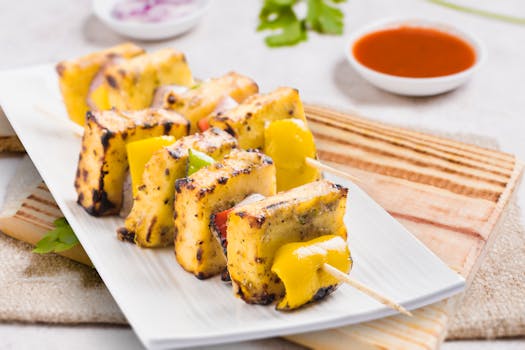
India’s most important vegetarian protein source. Made by acid-coagulation of full-fat milk, paneer retains all milk’s casein protein and calcium. Contains only 1.2 g lactose — suitable for many lactose-sensitive individuals. Buffalo milk paneer is creamier and richer.
Dahi — India’s Original Probiotic
98 kcal / 100 g
149 mg Calcium / 100 g
Traditional Indian dahi contains a more diverse microbiome than commercial yogurt, including Lactobacillus delbrueckii, Streptococcus thermophilus, and wild fermentation yeasts. Regular consumption is associated with improved lactose tolerance, reduced allergy risk, and enhanced gut immunity.
Health Benefits of Dairy Consumption
Bone Health & Osteoporosis Prevention
Dairy’s calcium, phosphorus, Vitamin D, and K2 synergistically build peak bone mass in youth and reduce bone mineral density loss in aging. Meta-analyses confirm 3+ servings/day reduces hip fracture risk by ~25%.
Muscle Synthesis & Sports Nutrition
Whey protein triggers the highest muscle protein synthesis (MPS) response of any whole food protein. Casein provides slow, sustained amino acid delivery — ideal pre-sleep for overnight muscle recovery.
Cardiovascular Health
Fermented dairy (yogurt, kefir) is inversely associated with cardiovascular disease risk in large cohort studies (PURE Study, EPIC). Full-fat dairy shows neutral or modestly protective effects in recent meta-analyses — challenging old lipid-hypothesis assumptions.
Cognitive & Mental Health
Dairy tryptophan is a precursor to serotonin and melatonin. Choline (abundant in whey protein powder) is essential for brain development and memory. B12 from dairy protects against neurodegeneration.
Weight Management
High-protein, high-calcium dairy promotes satiety and thermogenesis. Multiple RCTs show dairy-rich diets preserve lean mass during caloric restriction. Fermented dairy has the most consistent evidence for body fat reduction.
Blood Pressure (Hypertension)
The DASH Diet (Dietary Approaches to Stop Hypertension) incorporates 2–3 dairy servings daily as a cornerstone. Dairy-derived bioactive peptides (casein hydrolysates) act as natural ACE inhibitors, reducing blood pressure.
Gut & Immune Health
Probiotic dahi, kefir, and yogurt cultures modulate the gut microbiome, reduce intestinal permeability, stimulate IgA secretion, and reduce risk of antibiotic-associated diarrhoea. Lactoferrin has direct antimicrobial and anti-inflammatory effects.
Maternal & Infant Nutrition
Dairy is critical during pregnancy and lactation for foetal skeletal development, maternal calcium homeostasis, and B12 supply. Casein hydrolysates in infant formula mimic human milk oligosaccharides. ICMR recommends 3 servings/day in pregnancy.
How to Choose the Right Dairy Product
Different health goals call for different dairy choices. Here’s a practical guide:
| Health Goal | Best Choices | Why | Limit / Avoid |
|---|---|---|---|
| Muscle building | Whey protein, Casein, Paneer, Greek yogurt, Cheddar | High complete protein; optimal BCAA profile; fast/slow release | Sweetened flavored yogurts |
| Weight loss | Skimmed milk, Chaach, Low-fat dahi, Non-fat Greek yogurt | High protein + low calories; satiety without excess fat | Condensed milk, Kulfi, Shrikhand |
| Bone health | Buffalo milk, Paneer, Hard cheeses, Fortified skim milk | Maximum calcium + Vit D; high bioavailability | Ghee (minimal calcium) |
| Gut health | Dahi, Kefir, Yogurt with live cultures, Chaach | Probiotic diversity; lactic acid bacteria; prebiotic effect | Pasteurized processed cheese (no live cultures) |
| Heart health | Fermented dairy (dahi, kefir, yogurt), skimmed milk | Inverse CVD association; ACE-inhibitory peptides | Ghee, butter, heavy cream (in excess) |
| Lactose sensitivity | Ghee, Hard cheeses, Dahi, Kefir, Lactose-free milk | Very low/zero lactose; fermented products pre-digest lactose | Regular milk (full lactose), Condensed milk |
| Diabetic diet | Plain dahi, Paneer, Cottage cheese, Plain kefir | Low GI; high protein slows glucose absorption | Flavored yogurts, Condensed milk, Kulfi |
| Children / Growth | Full-fat cow/buffalo milk, Dahi, Paneer, Khoya | Full complement of fat-soluble vitamins; calcium for bones | Skimmed milk (insufficient fat-soluble vitamins for children) |
Frequently Asked Questions (FAQs)
Q1. Is full-fat dairy healthy or should I stick to low-fat?
Recent evidence has shifted the consensus. Multiple large meta-analyses show full-fat dairy is not associated with increased cardiovascular mortality and may actually be protective for type 2 diabetes and stroke risk. Full-fat dairy provides fat-soluble vitamins (A, D, E, K2) and CLA that are largely absent in low-fat versions. For calorie management, low-fat dairy may be preferable, but the original demonisation of dairy fat was based on flawed lipid hypothesis assumptions.
Q2. Which dairy product has the most calcium?
Hard aged cheeses top the list: Parmesan at 1184 mg/100 g, followed by Cheddar (721 mg), Khoya (800 mg), Paneer (480 mg), and Mozzarella (505 mg). For liquid milk, buffalo milk (195 mg) outperforms cow milk (120 mg). On a per-serving basis, a 240 ml glass of whole milk provides ~270 mg calcium (27% DV).
Q3. Is ghee better than butter?
Ghee and butter have similar fat profiles, but ghee has several practical advantages: higher smoke point (~250°C vs ~170°C for butter), zero lactose, no casein, and generally higher concentrations of butyric acid, CLA, and fat-soluble vitamins (especially from desi cow ghee). For high-heat cooking, ghee is clearly superior. Both should be consumed in moderation due to high saturated fat content.
Q4. Can people with lactose intolerance consume dairy?
Yes, with smart choices. Fermented dairy (dahi, kefir, hard cheeses, aged paneer) contains minimal to zero lactose because lactic acid bacteria convert lactose to lactic acid during fermentation. Ghee and butter are virtually lactose-free. Lactose-free milk provides identical nutrition. Goat milk, with its smaller fat globules and different casein structure, is often better tolerated than cow milk.
Q5. Is A2 milk significantly better than regular milk?
The evidence is promising but still evolving. A2 milk (from buffalo, goat, or desi Indian breeds) contains only A2 β-casein, which does not release β-casomorphin-7 (BCM-7) during digestion. Some individuals with perceived milk intolerance (without true lactose intolerance) may experience improved digestive comfort with A2 milk. However, large-scale clinical trials are limited. If you have GI discomfort with regular milk, A2 milk or fermented dairy is worth trying.
Q6. How much dairy is recommended per day?
ICMR recommends 3 servings per day for adults (1 serving = 200 ml milk / 30 g cheese / 150 g dahi). For children and adolescents during peak bone growth (9–18 years), 4 servings/day is recommended. Pregnant and lactating women also need 3–4 servings. The WHO recommends dairy as part of a diversified diet, particularly in populations where bone health and protein intake are concerns.
Sources & References
- ICMR-NIN — Nutritive Value of Indian Foods, Revised Edition 2017. Indian Council of Medical Research – National Institute of Nutrition, Hyderabad. https://nin.res.in/
- USDA FoodData Central — U.S. Department of Agriculture, Agricultural Research Service. FoodData Central, 2024. fdc.nal.usda.gov
- FAO/INFOODS — Global Food Composition Database for Dairy Products. FAO Technical Paper No. 456, updated 2021. INFOODS: INFOODS
- FSSAI — Food Safety and Standards Authority of India – Nutritional Labelling Regulations & Food Composition Database, 2022. FSSAI
- NIN Dietary Guidelines — Dietary Guidelines for Indians, 2nd edition, 2024. National Institute of Nutrition.
- EFSA — European Food Safety Authority – Comprehensive European Food Consumption Database, 2022.
- PURE Study — Dehghan et al. “Association of dairy intake with cardiovascular disease and mortality in 21 countries.” The Lancet, 2018.
- Codex Alimentarius — Codex Standard for Milk & Milk Products. FAO/WHO Food Standards Programme, 2023.
- Journal of Dairy Science — Various articles on CLA, lactoferrin, bioactive peptides in dairy (2015–2024).
- Nutrients (MDPI) — Review articles on A1 vs A2 milk, probiotics in fermented dairy (2018–2024).
- NDDB — National Dairy Development Board, Annual Statistics 2024. nddb.coop
Values represent typical averages and may vary by breed, season, processing method, and geographical origin. This article is for educational purposes; consult a registered dietitian for personalised nutrition advice.
Explore more,
Nutritional values and recommended intake of nuts and oilseeds
Nutritional values and recommended intake of meat, fish and eggs.